For Art's Sake - The Story of Ballets Russes
Similar Content
Browse content similar to For Art's Sake - The Story of Ballets Russes. Check below for episodes and series from the same categories and more!
Transcript
| Line | From | To | |
|---|---|---|---|
MUSIC PLAYS | 0:00:03 | 0:00:05 | |
On May 29th, 1913, | 0:00:15 | 0:00:17 | |
on the stage of the Theatre des Champs Elysees in Paris, | 0:00:17 | 0:00:20 | |
these moments from The Rite of Spring | 0:00:20 | 0:00:23 | |
were arguably the most dramatic the ballet world had ever seen. | 0:00:23 | 0:00:27 | |
And its power to shock remains even today. | 0:00:27 | 0:00:30 | |
It was one of the defining moments | 0:00:30 | 0:00:32 | |
in the lives of three of the most brilliant and radical artists | 0:00:32 | 0:00:36 | |
of the 20th century, all of them Russian. | 0:00:36 | 0:00:38 | |
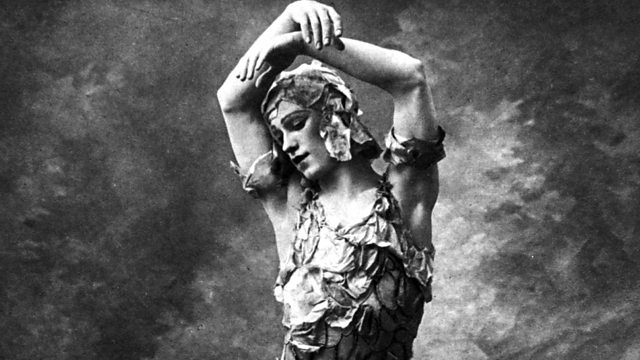
Dancer and choreographer, Vaslav Nijinsky, | 0:00:41 | 0:00:43 | |
composer Igor Stravinsky | 0:00:43 | 0:00:48 | |
and impresario, Serge Diaghilev. | 0:00:48 | 0:00:52 | |
Their collaboration, as well as those of other great artists, | 0:00:54 | 0:00:57 | |
composers, dancers and designers, | 0:00:57 | 0:00:59 | |
made Serge Diaghilev's Ballets Russes | 0:00:59 | 0:01:02 | |
the most influential ballet company of the 20th century. | 0:01:02 | 0:01:05 | |
The effect of Diaghilev is everywhere. | 0:01:09 | 0:01:12 | |
There was the most tremendous sexy excitement | 0:01:14 | 0:01:17 | |
about all things Russian and artistic. | 0:01:17 | 0:01:21 | |
Diaghilev was the boss of everything and everyone | 0:01:22 | 0:01:25 | |
and every detail of every single thing. | 0:01:25 | 0:01:27 | |
Diaghilev was a terrible man to work for | 0:01:29 | 0:01:32 | |
because he was 100% the Ballets Russes. | 0:01:32 | 0:01:34 | |
Diaghilev saved Western ballet. | 0:01:39 | 0:01:42 | |
At the beginning of the 20th century, | 0:01:53 | 0:01:55 | |
ballet had become outdated and was in need of re-energising. | 0:01:55 | 0:01:59 | |
In Russia, it was largely the plaything of the Tsar | 0:02:02 | 0:02:05 | |
and St Petersburg was its artistic home. | 0:02:05 | 0:02:07 | |
Swan Lake and The Sleeping Beauty, | 0:02:09 | 0:02:11 | |
with their fabulous Tchaikovsky scores, still dominated the landscape | 0:02:11 | 0:02:15 | |
and very little innovative work was being made. | 0:02:15 | 0:02:18 | |
One man had the vision to see how this dying art form | 0:02:21 | 0:02:25 | |
could be reborn - Serge Diaghilev. | 0:02:25 | 0:02:27 | |
A key player in the St Petersburg arts scene, | 0:02:27 | 0:02:30 | |
he'd already presented Russian art, music and opera in Paris, | 0:02:30 | 0:02:34 | |
the cultural centre of the world at this time. | 0:02:34 | 0:02:37 | |
Paris genuinely was the home of the modernists. | 0:02:37 | 0:02:40 | |
Gertrude Stein had moved there. | 0:02:40 | 0:02:42 | |
Picasso was there. Brecht was there. | 0:02:42 | 0:02:44 | |
So much modernism was happening there. | 0:02:44 | 0:02:47 | |
It's the perfect place for Diaghilev getting away from Russia. | 0:02:47 | 0:02:50 | |
Russia, in the 19th century, | 0:02:50 | 0:02:52 | |
its culture, its second language was French. | 0:02:52 | 0:02:55 | |
Everything was Paris, that was the centre of the universe, | 0:02:55 | 0:02:59 | |
the way New York became after World War Two. | 0:02:59 | 0:03:02 | |
That's where you went. Not to die, but to live. | 0:03:02 | 0:03:05 | |
Whilst other arts were thriving in Paris, | 0:03:05 | 0:03:08 | |
ballet was not taken seriously. | 0:03:08 | 0:03:11 | |
Ballet in Paris had itself become desperately, desperately moribund. | 0:03:11 | 0:03:16 | |
Having once been the absolute showcase of European ballet, | 0:03:16 | 0:03:21 | |
it was now pretty much about just | 0:03:21 | 0:03:24 | |
ballerinas and their pretty legs. | 0:03:24 | 0:03:26 | |
It was against this backdrop that Diaghilev sensed an opportunity | 0:03:26 | 0:03:32 | |
and in 1909 he took a small group of dancers on tour to Paris. | 0:03:32 | 0:03:36 | |
The seeds of the Ballets Russes were sown. | 0:03:36 | 0:03:40 | |
The venue for his first season was the Chatelet Theatre. | 0:03:44 | 0:03:47 | |
Diaghilev wanted to launch his new ballet company in style, | 0:03:47 | 0:03:51 | |
so he insisted it was refurbished. | 0:03:51 | 0:03:53 | |
All the ballets on the opening night were choreographed by Michel Fokine, | 0:03:59 | 0:04:04 | |
a protege of Diaghilev's | 0:04:04 | 0:04:05 | |
who was beginning to update ballet back in Russia. | 0:04:05 | 0:04:08 | |
The audience was also introduced to the sensational 19-year-old dancer, | 0:04:08 | 0:04:13 | |
Vaslav Nijinsky. | 0:04:13 | 0:04:15 | |
Over the next four years, he would re-write the language of ballet. | 0:04:15 | 0:04:19 | |
But the real star of the first night was the exotic, | 0:04:30 | 0:04:34 | |
and very Russian, Polotsvian Dances from the opera Prince Igor. | 0:04:34 | 0:04:39 | |
One of Diaghilev's selling cards from the beginning | 0:04:39 | 0:04:42 | |
was the idea that Russia was a source of primitivism. | 0:04:42 | 0:04:46 | |
Men were hunters, hunter-gatherers, jumping like mad. | 0:04:50 | 0:04:55 | |
Diaghilev brings in all the wildness of Ancient Russia, as it seemed. | 0:04:55 | 0:05:00 | |
So that on opening night, in Paris in 1909, | 0:05:00 | 0:05:03 | |
the greatest sensation of three sensational ballets | 0:05:03 | 0:05:07 | |
was the Polotsvian dancers from Prince Igor. | 0:05:07 | 0:05:09 | |
This was the greatest sensation of the entire evening. | 0:05:12 | 0:05:15 | |
The Paris audience went nuts and invaded the theatre, | 0:05:18 | 0:05:22 | |
so much so that they rushed through the orchestra pit onto the stage | 0:05:22 | 0:05:26 | |
and, for the final ballet of the evening, Le Festin, | 0:05:26 | 0:05:29 | |
Nijinsky and Karsavina found themselves warming up | 0:05:29 | 0:05:33 | |
with all the Parisians on stage trying to watch. | 0:05:33 | 0:05:36 | |
And they had to be finally cleared off. | 0:05:36 | 0:05:38 | |
APPLAUSE | 0:05:45 | 0:05:47 | |
The opening season was a triumph. | 0:05:47 | 0:05:51 | |
Sadly, Diaghilev never approved of the Ballets Russes being filmed. | 0:05:51 | 0:05:55 | |
So it's through revivals by today's dance companies | 0:05:55 | 0:05:58 | |
that we can sense the impact they must have had. | 0:05:58 | 0:06:02 | |
In the first four years alone, | 0:06:02 | 0:06:04 | |
Diaghilev would produce over twenty ballets and this level of ambition | 0:06:04 | 0:06:08 | |
meant he was always on the hunt for sources of income, | 0:06:08 | 0:06:11 | |
spending much of his time wooing | 0:06:11 | 0:06:13 | |
the grandest and most well heeled of Parisian society. | 0:06:13 | 0:06:17 | |
Initially, of course, there was support from Russia. | 0:06:17 | 0:06:20 | |
There were grand dukes, there were wealthy businessmen | 0:06:20 | 0:06:24 | |
who were interested in putting in their money. | 0:06:24 | 0:06:28 | |
He was also a very good negotiator. | 0:06:28 | 0:06:30 | |
Then, of course, there are very bored and idle | 0:06:30 | 0:06:33 | |
American millionairesses in Paris, | 0:06:33 | 0:06:36 | |
who are crazy about being seen as up-to-date | 0:06:36 | 0:06:39 | |
and are willing to put money into productions sometimes, | 0:06:39 | 0:06:43 | |
but really want good seats, good boxes, and to be conspicuous. | 0:06:43 | 0:06:48 | |
The Princesse de Polignac, | 0:06:48 | 0:06:50 | |
who was heiress to the Singer sewing machine fortune | 0:06:50 | 0:06:54 | |
from the United States, she was a very good patron. | 0:06:54 | 0:06:58 | |
So long as she could be in charge of pulling the puppet strings. | 0:06:58 | 0:07:02 | |
Diaghilev's dealings with the rich women he pursued were helped | 0:07:02 | 0:07:06 | |
by the high artistic standards of The Ballet Russes, | 0:07:06 | 0:07:09 | |
as well as the quality of performers appearing on stage. | 0:07:09 | 0:07:13 | |
Diaghilev was really lucky in that, | 0:07:13 | 0:07:15 | |
coming up through the ranks of the Imperial Ballet, | 0:07:15 | 0:07:19 | |
was an astonishing generation of dancers. | 0:07:19 | 0:07:21 | |
At the top of it was Anna Pavlova, | 0:07:21 | 0:07:23 | |
already a star, but she did lead his first Paris season. | 0:07:23 | 0:07:26 | |
That extraordinary haunting, romantic delicacy | 0:07:31 | 0:07:34 | |
that mesmerised audiences around the world. | 0:07:34 | 0:07:37 | |
I did see Pavlova and I saw all of the things that she was famous for. | 0:07:48 | 0:07:53 | |
And I did see the Dying Swan. | 0:07:53 | 0:07:55 | |
She had these phenomenal arms, with not a bone anywhere. | 0:07:55 | 0:08:00 | |
And then suddenly... and then she was, and the face, | 0:08:00 | 0:08:05 | |
and the... it was uncanny, it really was. | 0:08:05 | 0:08:08 | |
He doesn't promote Anna Pavlova | 0:08:11 | 0:08:13 | |
and Anna Pavlova gets out of the Ballets Russes pretty early on | 0:08:13 | 0:08:16 | |
because she realises she's not going to be presented as the queen bee, | 0:08:16 | 0:08:20 | |
which she felt ballet was about. | 0:08:20 | 0:08:22 | |
Following in Pavlova's footsteps is always daunting for a dancer | 0:08:24 | 0:08:28 | |
and the iconic role of the Dying Swan | 0:08:28 | 0:08:31 | |
is one of the great challenges for every ballerina. | 0:08:31 | 0:08:34 | |
Elena Glurdjidze, principal ballerina with English National Ballet, | 0:08:34 | 0:08:39 | |
is delighted to be given the chance to interpret the role. | 0:08:39 | 0:08:42 | |
She's being coached on stage by ex-ballerina, Maina Gielgud. | 0:08:42 | 0:08:46 | |
It all happens completely co-ordinated. | 0:08:46 | 0:08:50 | |
'I never even could hope to do The Swan | 0:08:50 | 0:08:53 | |
'because I always thought I didn't have good enough arms.' | 0:08:53 | 0:08:56 | |
This is also working. | 0:08:56 | 0:08:58 | |
I thought, "It's almost impossible." | 0:08:58 | 0:09:00 | |
And then people were saying to me, "Oh, you've got beautiful arms." | 0:09:00 | 0:09:03 | |
After 15 years dancing on stage! | 0:09:03 | 0:09:05 | |
But it is difficult, because to have this smoothness | 0:09:05 | 0:09:10 | |
and great movement, it's not easy. | 0:09:10 | 0:09:13 | |
And you have to have this perfect poise, | 0:09:13 | 0:09:16 | |
which should be very, very fast, | 0:09:16 | 0:09:18 | |
but at the same time without any extra movement. | 0:09:18 | 0:09:21 | |
Because you have to, almost like a sweep, without extra... | 0:09:21 | 0:09:26 | |
English National Ballet asked Chanel's creative director | 0:09:42 | 0:09:46 | |
Karl Lagerfeld to reinterpret the costume. | 0:09:46 | 0:09:49 | |
It has to be fragile, | 0:09:49 | 0:09:50 | |
but it has to be also something that can resist more than one night. | 0:09:50 | 0:09:55 | |
And it must be something what gives total freedom for the movement. | 0:09:55 | 0:09:59 | |
We have materials today that didn't exist then. | 0:10:06 | 0:10:10 | |
But in fact, this costume is an updated version of a classic idea, | 0:10:10 | 0:10:15 | |
a swan is a swan. So there is not so much you can change | 0:10:15 | 0:10:18 | |
because if it looked like a chicken, it wouldn't be right! | 0:10:18 | 0:10:22 | |
Ballerinas love to do it. | 0:10:37 | 0:10:39 | |
They get up there and they die. | 0:10:39 | 0:10:42 | |
And it's short, it can be thrown on at any time, | 0:10:42 | 0:10:45 | |
and everybody is always ready to do it. | 0:10:45 | 0:10:47 | |
Despite the artistic success of their opening season, | 0:11:12 | 0:11:16 | |
it was a financial disaster. | 0:11:16 | 0:11:18 | |
However, Diaghilev was confident | 0:11:18 | 0:11:19 | |
that the positive public reaction to the Ballets Russes | 0:11:19 | 0:11:22 | |
meant he could continue to raise the necessary funds | 0:11:22 | 0:11:25 | |
to keep the company running. | 0:11:25 | 0:11:27 | |
In 1910, they returned to Paris and premiered | 0:11:27 | 0:11:30 | |
one of the most successful works in their history - Sheherazade. | 0:11:30 | 0:11:35 | |
English National Ballet are performing Sheherazade | 0:11:37 | 0:11:40 | |
in their Ballets Russes celebratory season. | 0:11:40 | 0:11:42 | |
The range of dance styles, | 0:11:42 | 0:11:44 | |
from near pantomime to great technical virtuosity, | 0:11:44 | 0:11:47 | |
means it requires several weeks of rehearsal. | 0:11:47 | 0:11:50 | |
You should really be leaning on him. | 0:11:51 | 0:11:54 | |
A lot of the dancers in the company had never seen Sheherazade. | 0:12:02 | 0:12:06 | |
They'd only read about it or seen photographs in a book. | 0:12:06 | 0:12:10 | |
And I think history is very important as an artist, | 0:12:10 | 0:12:14 | |
that you learn from the past and take that and create your future. | 0:12:14 | 0:12:19 | |
When we first started rehearsing, the dancers | 0:12:19 | 0:12:23 | |
found it a bit of of a giggle, you know, and a little bit ridiculous. | 0:12:23 | 0:12:28 | |
But once they got into the spirit of it, you know, it's great fun. | 0:12:28 | 0:12:31 | |
I wonder if we could make it a little bit more sensual? | 0:12:34 | 0:12:38 | |
'When I was young, 18, I saw Sheherazade' | 0:12:38 | 0:12:41 | |
and I always dreamed about that Sheherazade and then I saw | 0:12:41 | 0:12:45 | |
the casting here, that I'm doing Ballets Russes. I was amazed, happy. | 0:12:45 | 0:12:49 | |
Michel Fokine set the story to Rimsky-Korsakov's thrilling score | 0:12:51 | 0:12:56 | |
and Nijinsky, who by now was acknowledged as the greatest | 0:12:56 | 0:12:59 | |
male dancer in the world, performed the role of the Golden Slave. | 0:12:59 | 0:13:03 | |
Marie Rambert, who had a close working relationship with Nijinsky, | 0:13:03 | 0:13:07 | |
recalls the impression he made on her. | 0:13:07 | 0:13:10 | |
I can say definitely that I have never seen anybody like him, | 0:13:10 | 0:13:13 | |
or anybody who made that tremendous impression that he made. | 0:13:13 | 0:13:17 | |
Often people say, "Did he really jump so high?" | 0:13:17 | 0:13:21 | |
And I always say, "I don't know how far from the ground, | 0:13:21 | 0:13:25 | |
"but I know it was near the stars." | 0:13:25 | 0:13:27 | |
Because of his phenomenal technique, some audiences believed he must be | 0:13:27 | 0:13:31 | |
hanging from invisible wires, because he seemed to jump so high. | 0:13:31 | 0:13:35 | |
Nijinsky was not a beautiful man. Nijinsky was a strange looking guy. | 0:13:37 | 0:13:41 | |
Very thick, not much of a waist. | 0:13:41 | 0:13:43 | |
Enormous thighs, which is where the jump came from. | 0:13:43 | 0:13:46 | |
He was apparently an absolutely thrilling performer. | 0:13:46 | 0:13:52 | |
What everyone attests to is what a great actor he was | 0:13:52 | 0:13:57 | |
and how he had an uncanny ability to become emblematic. | 0:13:57 | 0:14:02 | |
Nijinsky's partner in Sheherazade | 0:14:42 | 0:14:44 | |
was the actress and dancer Ida Rubinstein, | 0:14:44 | 0:14:48 | |
whom Diaghilev cannily retained more for her exotic value | 0:14:48 | 0:14:52 | |
than her limited dancing ability. | 0:14:52 | 0:14:55 | |
She paraded round Paris with a python on a lead | 0:14:55 | 0:14:57 | |
and drank champagne out of lilies | 0:14:57 | 0:14:59 | |
and that all got the French very stirred up and excited. | 0:14:59 | 0:15:02 | |
Rubinstein was often called the Queen of Gesture! | 0:15:02 | 0:15:06 | |
She wasn't a ballet dancer, but she was a wonderful presence. | 0:15:10 | 0:15:14 | |
She had a beautiful body. | 0:15:14 | 0:15:16 | |
It was about personality and temperament, | 0:15:16 | 0:15:18 | |
and money in Ida Rubinstein's case, cos she had it! | 0:15:18 | 0:15:21 | |
Which made it easier for her to have works in which she could star. | 0:15:21 | 0:15:26 | |
But Diaghilev saw how valuable she could be and used her. | 0:15:26 | 0:15:30 | |
He could use her languor, her sexuality, | 0:15:30 | 0:15:35 | |
her sheer beauty and the glamour of that face. | 0:15:35 | 0:15:37 | |
Very much like the sirens of the silent screen at the same time. | 0:15:37 | 0:15:41 | |
The most sexy thing anybody had seen in Paris. | 0:15:41 | 0:15:44 | |
You can imagine how excited they all were. | 0:15:44 | 0:15:46 | |
The music is to do with Sinbad the Sailor, | 0:16:07 | 0:16:10 | |
nothing to do with the oriental orgy that we see, | 0:16:10 | 0:16:13 | |
the harem drama that happens on stage. | 0:16:13 | 0:16:15 | |
So it's very imaginative, almost shocking musicality, | 0:16:15 | 0:16:19 | |
if you analyse it, what Fokine chose to do. | 0:16:19 | 0:16:21 | |
To say, "No, this ballet's going to be about another aspect | 0:16:21 | 0:16:25 | |
"of the Arabian nights than the one that Rimsky thought he was telling." | 0:16:25 | 0:16:29 | |
Fokine used that to experiment | 0:16:29 | 0:16:31 | |
with a very new, for him, style of language, | 0:16:31 | 0:16:35 | |
which was all about the rippling, undulating dynamic of Eastern dance. | 0:16:35 | 0:16:42 | |
Sheherazade's exotic Oriental design | 0:16:57 | 0:17:00 | |
was by Diaghilev's long-time collaborator, Leon Bakst. | 0:17:00 | 0:17:04 | |
The design was one of the Ballet Russes' most impressive | 0:17:04 | 0:17:08 | |
and the ballet influenced every elegant sitting room | 0:17:08 | 0:17:11 | |
in Paris for years to come. | 0:17:11 | 0:17:13 | |
After seeing Sheherazade, the writer Marcel Proust | 0:17:13 | 0:17:17 | |
wrote to a friend saying he had never seen anything so beautiful. | 0:17:17 | 0:17:21 | |
Bakst's influence on the whole world of design, interior decorating, | 0:17:21 | 0:17:29 | |
fashion, was quite extraordinary and incredibly difficult to quantify. | 0:17:29 | 0:17:35 | |
But I think that we live today with his influence in our lives, | 0:17:35 | 0:17:41 | |
in our sense of colour, in our sense of pattern. | 0:17:41 | 0:17:45 | |
I mean, he did outrageous things with pattern. | 0:17:45 | 0:17:47 | |
He would put diamond pattern against check. | 0:17:47 | 0:17:51 | |
He would do sort of zigzags against solid colour. | 0:17:51 | 0:17:54 | |
It was mind-bending what he did. | 0:17:54 | 0:17:57 | |
Before the war, no single designer was as important as Leon Bakst. | 0:18:04 | 0:18:09 | |
He seemed to exult in this combination | 0:18:09 | 0:18:12 | |
of eroticism and exoticism | 0:18:12 | 0:18:15 | |
that accounted for so much of the success | 0:18:15 | 0:18:18 | |
of so many of the ballets. | 0:18:18 | 0:18:20 | |
And, of course, in Bakst's designs, when you see these breasts | 0:18:20 | 0:18:24 | |
kind of overwhelming the designs, | 0:18:24 | 0:18:26 | |
that there was a real kind of physical freedom. | 0:18:26 | 0:18:29 | |
They still are the costumes that Bakst did today, | 0:18:31 | 0:18:34 | |
just to look at them, they haven't lost any of their relevance | 0:18:34 | 0:18:38 | |
and they're just incredible. | 0:18:38 | 0:18:40 | |
An endless source of inspiration | 0:18:40 | 0:18:42 | |
for both fashion designers, stylists, all of us. | 0:18:42 | 0:18:45 | |
For me, he is the person who remains the true spirit | 0:18:51 | 0:18:55 | |
of the Diaghilev ballet | 0:18:55 | 0:18:57 | |
and he was the one who really brought it, artistically, | 0:18:57 | 0:19:01 | |
to the forefront of people's minds and imaginations. | 0:19:01 | 0:19:06 | |
After the spectacular success of Sheherazade, | 0:19:17 | 0:19:20 | |
the choreographer Michel Fokine was then given the opportunity | 0:19:20 | 0:19:23 | |
to collaborate with someone who was going to shape | 0:19:23 | 0:19:27 | |
not only the future of the Ballet Russes, | 0:19:27 | 0:19:29 | |
but the entire musical landscape of the 20th century - | 0:19:29 | 0:19:33 | |
the young Russian composer, Igor Stravinsky. | 0:19:33 | 0:19:35 | |
He and Fokine started to work on a new ballet The Firebird, | 0:19:35 | 0:19:40 | |
the 27-year-old Stravinsky's first ballet score. | 0:19:40 | 0:19:44 | |
Once Stravinsky and Diaghilev started to work together | 0:19:44 | 0:19:47 | |
they were ideally matched | 0:19:47 | 0:19:48 | |
because Diaghilev always wanted something new | 0:19:48 | 0:19:51 | |
and Stravinsky wanted to reinvent himself every season. | 0:19:51 | 0:19:54 | |
The young Stravinsky, unknown, | 0:20:10 | 0:20:12 | |
no one knew what they were going to get from him. | 0:20:12 | 0:20:15 | |
He was taught by Rimsky-Korsakov and so there's a sound | 0:20:15 | 0:20:18 | |
of Rimsky-Korsakov in the orchestration. | 0:20:18 | 0:20:20 | |
But then he goes way off piste and does his own thing. | 0:20:20 | 0:20:23 | |
Firebird has many influences but the writing is exceptionally... | 0:20:41 | 0:20:46 | |
For a young composer that was the first big score, | 0:20:46 | 0:20:51 | |
the master writing of the orchestra is amazing. | 0:20:51 | 0:20:56 | |
After that, Stravinsky will not be better. | 0:20:56 | 0:21:00 | |
He will do other things but one cannot say | 0:21:00 | 0:21:04 | |
that the orchestration of Rite Of Spring is better than Firebird - | 0:21:04 | 0:21:11 | |
it's not true. | 0:21:11 | 0:21:12 | |
The leading role of The Firebird | 0:21:31 | 0:21:33 | |
was danced by Anna Pavlova's successor | 0:21:33 | 0:21:35 | |
as the prima ballerina of the Ballets Russes, Tamara Karsavina. | 0:21:35 | 0:21:39 | |
I loved it, I loved the sound of it, I was fascinated. | 0:21:39 | 0:21:43 | |
It was very difficult | 0:21:43 | 0:21:46 | |
and I never was one to count because it distracts my attention, | 0:21:46 | 0:21:51 | |
I never counted the bars. | 0:21:51 | 0:21:53 | |
Stravinsky was very kind. | 0:21:53 | 0:21:56 | |
He would come before the rehearsal | 0:21:56 | 0:21:58 | |
and play the piano for me to explain all the different parts. | 0:21:58 | 0:22:02 | |
And then it became a great help for me. | 0:22:02 | 0:22:04 | |
Following the success of The Firebird, | 0:22:24 | 0:22:26 | |
Stravinsky and Fokine's next collaboration Petrouchka, | 0:22:26 | 0:22:31 | |
was set in an 1830's St Petersburg winter fair. | 0:22:31 | 0:22:34 | |
First performed in 1911, | 0:22:34 | 0:22:36 | |
Fokine created a juicy lead role for Nijinsky | 0:22:36 | 0:22:39 | |
whose interpretation of the tormented puppet | 0:22:39 | 0:22:43 | |
was considered to be one of the greatest roles of his career. | 0:22:43 | 0:22:47 | |
With Petrouchka, it was already something much more shaking | 0:23:03 | 0:23:09 | |
with the music and the kind of mixture of music 'savant', | 0:23:09 | 0:23:14 | |
as say say, music of people | 0:23:14 | 0:23:16 | |
who know how to write and popular music. | 0:23:16 | 0:23:20 | |
Although the Fokine/Stravinsky collaboration | 0:23:39 | 0:23:42 | |
had already produced two enduring ballets, | 0:23:42 | 0:23:45 | |
Diaghilev, always challenging pre-conceptions, | 0:23:45 | 0:23:48 | |
was anxious to try Nijinsky - now his lover - as a choreographer, | 0:23:48 | 0:23:52 | |
wanting to give the ballet world | 0:23:52 | 0:23:53 | |
another jolt along his modernist path. | 0:23:53 | 0:23:56 | |
Diaghilev realised that at all costs he had to hang onto Stravinsky, | 0:23:59 | 0:24:03 | |
but he dumped Fokine as the chief choreographer of the Ballets Russes. | 0:24:03 | 0:24:07 | |
It's very hard to understand why or how | 0:24:07 | 0:24:10 | |
Nijinsky became choreographer. | 0:24:10 | 0:24:13 | |
In none of his works did he use conventional ballet technique. | 0:24:13 | 0:24:18 | |
The movement was very strange and radical for ballet dancers, | 0:24:18 | 0:24:22 | |
and so he was not popular with dancers. | 0:24:22 | 0:24:24 | |
Most of them absolutely loathed his choreography. | 0:24:24 | 0:24:27 | |
Hated it. Thought it made them look terrible, | 0:24:27 | 0:24:30 | |
felt that it was impossible to learn, | 0:24:30 | 0:24:32 | |
felt that he was making ballet ugly. | 0:24:32 | 0:24:35 | |
But as for why he wanted these unballetic movements... | 0:24:35 | 0:24:40 | |
He was an experimentalist. | 0:24:40 | 0:24:42 | |
Why did Picasso do what he did? | 0:24:42 | 0:24:44 | |
Why did Picasso put the woman's nose in her armpit? | 0:24:44 | 0:24:48 | |
Designed by Leon Bakst, Nijinsky's first ballet was a simple story | 0:24:53 | 0:24:57 | |
of an adolescent faun responding to a group of nymphs | 0:24:57 | 0:25:01 | |
appearing out of a forest. | 0:25:01 | 0:25:02 | |
The whole action was from one wing to the other. | 0:25:15 | 0:25:18 | |
It was a very difficult position to hold. | 0:25:18 | 0:25:21 | |
Feet both parallel were going in one direction | 0:25:21 | 0:25:25 | |
and the body was facing the audience | 0:25:25 | 0:25:27 | |
and the arms were facing the audience but you walked on one line. | 0:25:27 | 0:25:31 | |
But at that time one only had learned the classical technique, | 0:25:31 | 0:25:36 | |
so it's more astonishing that Nijinsky should have been able | 0:25:36 | 0:25:41 | |
to think out a new position | 0:25:41 | 0:25:43 | |
in which he wanted to do the movements and move in them. | 0:25:43 | 0:25:48 | |
Rather than being teamed up with Stravinsky immediately, | 0:25:58 | 0:26:02 | |
Diaghilev and Nijinsky | 0:26:02 | 0:26:03 | |
chose an existing and melodic score by Debussy. | 0:26:03 | 0:26:06 | |
His music was still radical but in a nice way | 0:26:13 | 0:26:17 | |
and not in the brutal way of Stravinsky. | 0:26:17 | 0:26:21 | |
And therefore it was less noticed, especially L'Apres-midi d'un Faune. | 0:26:21 | 0:26:26 | |
The work of Debussy was known for a long time already, | 0:26:26 | 0:26:30 | |
the Debussy piece was performed 1894. | 0:26:30 | 0:26:33 | |
So that was no problem at all to listen to this piece of Debussy. | 0:26:33 | 0:26:37 | |
From our perspective it seems pretty. | 0:26:40 | 0:26:43 | |
In fact, it would not have seemed pretty | 0:26:43 | 0:26:46 | |
when Debussy was doing what he was doing. | 0:26:46 | 0:26:48 | |
He was being deliberately mischievous. | 0:26:48 | 0:26:51 | |
He wanted to create an atmosphere of sensuality. | 0:26:51 | 0:26:54 | |
If you went to a concert in your best bib and tucker | 0:26:54 | 0:26:57 | |
you did not expect to your senses tingled | 0:26:57 | 0:27:00 | |
in the way Debussy had in mind. | 0:27:00 | 0:27:02 | |
Diaghilev knew what was good for business. | 0:27:06 | 0:27:08 | |
Quite often the theme was sex. | 0:27:08 | 0:27:10 | |
The big scandalous example is L'Apres-midi d'un Faune | 0:27:10 | 0:27:13 | |
where a faun wakes and for the first time discovers sensual adventure. | 0:27:13 | 0:27:16 | |
For the first time he sees nymphs, | 0:27:16 | 0:27:18 | |
can't get anywhere even with the leading nymph. | 0:27:18 | 0:27:20 | |
He has a very striking duet with her | 0:27:20 | 0:27:22 | |
but it doesn't quite lead to eroticism. | 0:27:22 | 0:27:24 | |
So when she's gone he satisfies himself with her scarf | 0:27:24 | 0:27:28 | |
and has this extraordinary gesture of fetishism | 0:27:28 | 0:27:31 | |
where he lies down on her scarf and achieves satisfaction that way. | 0:27:31 | 0:27:35 | |
End of ballet - shock, horror! | 0:27:35 | 0:27:38 | |
The business at the end, that was something else! | 0:27:38 | 0:27:41 | |
Getting up the stairs and getting out the thing | 0:27:41 | 0:27:45 | |
and lying on it, and the hands at the end. | 0:27:45 | 0:27:47 | |
It was... | 0:27:47 | 0:27:49 | |
Quite something. | 0:27:49 | 0:27:50 | |
When I saw it for the first time I thought, | 0:27:50 | 0:27:53 | |
"Oooh! This is a bit much but there you are." | 0:27:53 | 0:27:56 | |
That certainly was very shocking. | 0:28:23 | 0:28:27 | |
The ending and the scandal that that provoked | 0:28:27 | 0:28:30 | |
clouded the rest of the ballet. | 0:28:30 | 0:28:33 | |
The scandal created by Afternoon Of A Faun naturally delighted Diaghilev | 0:28:37 | 0:28:42 | |
and gave fresh impetus to their European touring schedule. | 0:28:42 | 0:28:46 | |
Barcelona was one of their stop offs and English National Ballet | 0:28:46 | 0:28:50 | |
have brought their Ballet Russes programme here. | 0:28:50 | 0:28:53 | |
Artistic director Wayne Eagling wanted to celebrate the Ballet Russes | 0:28:53 | 0:28:57 | |
in a way in which Diaghilev would have approved. | 0:28:57 | 0:29:00 | |
I wanted to celebrate the 100th anniversary | 0:29:00 | 0:29:03 | |
of the Ballet Russes in Paris. | 0:29:03 | 0:29:06 | |
But also I wanted to celebrate that fact that we are | 0:29:06 | 0:29:09 | |
a direct descendant of this phenomena that Diaghilev created. | 0:29:09 | 0:29:14 | |
I wanted what Diaghilev would have done, something brand new. | 0:29:14 | 0:29:18 | |
Choreographing his own version of Afternoon Of A Faun | 0:29:23 | 0:29:26 | |
for English National Ballet, | 0:29:26 | 0:29:28 | |
was David Dawson's way of paying his homage to Nijinsky. | 0:29:28 | 0:29:31 | |
The Ballet Russes represents, to me, | 0:29:31 | 0:29:35 | |
the reason to be creative because their works live 100 years later | 0:29:35 | 0:29:38 | |
and everyone is still talking about them. | 0:29:38 | 0:29:41 | |
The beginning of Faun when you hear the first note, | 0:29:43 | 0:29:46 | |
he's busy for 100 years just dancing throughout all these shapes | 0:29:46 | 0:29:50 | |
and then, 100 years later, we hear that music again. | 0:29:50 | 0:29:53 | |
PIANO PLAYS A NOTE | 0:29:53 | 0:29:54 | |
Ding... And it's like that 100 years goes boom! | 0:29:54 | 0:30:00 | |
Raphael is an older dancer and Esteban is a younger dancer so | 0:30:05 | 0:30:09 | |
this narrative became an afternoon of a dancer's life almost. | 0:30:09 | 0:30:15 | |
The career being something you've learnt so much, | 0:30:15 | 0:30:18 | |
you have all your information, | 0:30:18 | 0:30:20 | |
and once you get to that point where you know everything, | 0:30:20 | 0:30:24 | |
your body gives up on you, | 0:30:24 | 0:30:25 | |
but passing on that information to a younger dancer and saying, | 0:30:25 | 0:30:29 | |
"Now they're your public for the next 15 years." | 0:30:29 | 0:30:33 | |
I decided to use two pianos because I wanted the music to be more sober, | 0:30:40 | 0:30:45 | |
less emotional in the sense of it being so dramatic. | 0:30:45 | 0:30:49 | |
So, colourful, more private, actually, more intimate. | 0:30:49 | 0:30:53 | |
You've got this very hot, hazy, drowsy, sexy atmosphere | 0:31:32 | 0:31:38 | |
that's about sexual fascination. | 0:31:38 | 0:31:42 | |
It feels completely 21st Century | 0:31:42 | 0:31:44 | |
and yet it's absolutely redolent with dance history. | 0:31:44 | 0:31:49 | |
Whilst Nijinsky's choreography for Afternoon Of A Faun | 0:31:57 | 0:32:01 | |
may have challenged Parisian audiences, | 0:32:01 | 0:32:03 | |
it did little to prepare them for his first collaboration with Stravinsky, | 0:32:03 | 0:32:07 | |
the now infamous Rite Of Spring. | 0:32:07 | 0:32:09 | |
It was this work, based around a pagan ritual, | 0:32:09 | 0:32:13 | |
with it's anti-ballet dance vocabulary and unimaginable music, | 0:32:13 | 0:32:17 | |
that caused the famous riot in Paris on the opening night | 0:32:17 | 0:32:21 | |
at the Theatre des Champs Elysees in 1913. | 0:32:21 | 0:32:24 | |
As the ballet took shape, Diaghilev, nervous of what his two star talents | 0:32:24 | 0:32:29 | |
might come up with, was anxious to hear Stravinsky's music. | 0:32:29 | 0:32:33 | |
'I started to play him these chords, 59 times the same chord. | 0:32:35 | 0:32:41 | |
'Diaghilev was a little bit surprised.' | 0:32:41 | 0:32:46 | |
He didn't want to offend me. | 0:32:46 | 0:32:49 | |
He asked me only one thing which was very offending. | 0:32:49 | 0:32:54 | |
He asked me, "Will this last a very long time this way?" | 0:32:54 | 0:32:58 | |
And I said, "To the end, my dear." | 0:32:58 | 0:33:02 | |
And he was silent because he understood | 0:33:04 | 0:33:09 | |
that the answer was serious. | 0:33:09 | 0:33:12 | |
Clearly Diaghilev had second thoughts | 0:33:18 | 0:33:20 | |
about the Rite Of Spring, about its complexity. | 0:33:20 | 0:33:23 | |
Even he, I think, must have been shocked when he began hearing | 0:33:23 | 0:33:27 | |
some of Stravinsky's musical sketches. | 0:33:27 | 0:33:30 | |
One of the remarkable things about The Rite Of Spring | 0:33:33 | 0:33:36 | |
is that it's still shocking | 0:33:36 | 0:33:37 | |
now, nearly 100 years later. | 0:33:37 | 0:33:39 | |
Now, there are very few things that ever occur in art or any other field | 0:33:39 | 0:33:43 | |
which are still shocking 100 years later. | 0:33:43 | 0:33:46 | |
Lady Chatterley's Lover, to the modern reader... Big deal. | 0:33:46 | 0:33:49 | |
But the Rite Of Spring, when you hear it, is still very challenging. | 0:33:49 | 0:33:53 | |
The irregularity of the rhythms, especially of some dance, | 0:33:53 | 0:33:58 | |
not always, but of some dances, with four, five, three, two beats. | 0:33:58 | 0:34:04 | |
That's really very... At this time it was absolutely new. | 0:34:04 | 0:34:09 | |
Stravinsky's score was so complex | 0:34:11 | 0:34:13 | |
and the dancers were having such difficulties | 0:34:13 | 0:34:16 | |
interpreting Nijinsky's choreography that they clearly needed help. | 0:34:16 | 0:34:20 | |
Diaghilev hired Marie Rambert, who not only performed in the ballet, | 0:34:22 | 0:34:26 | |
but because of her highly developed musicality | 0:34:26 | 0:34:29 | |
helped the dancers with the unusual music and movement. | 0:34:29 | 0:34:32 | |
Up to then, | 0:34:32 | 0:34:34 | |
the ballet used to dance mostly, in general, say in Moscow | 0:34:34 | 0:34:38 | |
they danced to the music of Rimsky-Korsakov. | 0:34:38 | 0:34:43 | |
Ech-ta-ta, ech-ta-ta, ech-ta-ta. Ech-ta... | 0:34:43 | 0:34:45 | |
It wasn't even called Ech-ta-ta. That is quite obvious rhythms. | 0:34:45 | 0:34:50 | |
And here came the score of Sacre | 0:34:50 | 0:34:52 | |
where you had to count two against three or three against four. | 0:34:52 | 0:34:57 | |
And then suddenly a crochet equalled a quaver. | 0:34:57 | 0:35:00 | |
They took her as an assistant for Nijinsky | 0:35:08 | 0:35:10 | |
to help him analyse the score of Stravinsky | 0:35:10 | 0:35:13 | |
and to organise rehearsals. | 0:35:13 | 0:35:15 | |
But she became something other. | 0:35:15 | 0:35:18 | |
She really became his comrade in arms. | 0:35:18 | 0:35:21 | |
She understood the resistance of the dancers. | 0:35:21 | 0:35:24 | |
She tried to tease them out of their resistance because they loved her. | 0:35:24 | 0:35:30 | |
It was at this time that Madame Rambert saved our lives, | 0:35:30 | 0:35:34 | |
at least she saved the lives of many people. | 0:35:34 | 0:35:37 | |
We used to run around with little pieces of paper | 0:35:37 | 0:35:40 | |
with all the accents written down and stamping round and stamp again. | 0:35:40 | 0:35:44 | |
And she was always there to interpret. | 0:35:44 | 0:35:48 | |
Nijinsky said, "This can't be quicker, this can't be slower. | 0:35:48 | 0:35:52 | |
"I know what the dancers can do," | 0:35:52 | 0:35:54 | |
There was an epic battle between them. | 0:35:54 | 0:35:56 | |
Stravinsky sat at the piano and tried to make an orchestra, | 0:35:56 | 0:36:00 | |
he stamped with his feet and banged with his hands on the piano here | 0:36:00 | 0:36:05 | |
and there and shouted and sang and so on. I can't remember who won! | 0:36:05 | 0:36:09 | |
Le Sacre Du Printemps is really going into anthropology, | 0:36:23 | 0:36:26 | |
it's as if Nijinsky and Stravinsky are saying, | 0:36:26 | 0:36:28 | |
"You thought the Polovetsian dances was primitive, | 0:36:28 | 0:36:31 | |
"we'll show you real primitives | 0:36:31 | 0:36:33 | |
"and we'll go back before there was society." | 0:36:33 | 0:36:36 | |
He was not using relying upon what the dancers knew. | 0:36:56 | 0:36:59 | |
In other words, what they did in the studio | 0:36:59 | 0:37:02 | |
or what they'd done in Fokine ballets or Petipa ballets. | 0:37:02 | 0:37:06 | |
So he had to fight the habits of the body. | 0:37:06 | 0:37:10 | |
His dancers' feet weren't pointed or turned out, | 0:37:18 | 0:37:21 | |
they were pigeon-toed, flexed feet. | 0:37:21 | 0:37:23 | |
There was no attempt to make graceful and beautiful lines. | 0:37:23 | 0:37:27 | |
Everything was stark and fraught and primitive. | 0:37:27 | 0:37:30 | |
As the ballet progressed, | 0:37:55 | 0:37:57 | |
the first night audience started to voice their displeasure. | 0:37:57 | 0:38:01 | |
Although there are conflicting accounts of the scale of the riot, | 0:38:01 | 0:38:04 | |
the aggressive atmosphere created by constant heckling | 0:38:04 | 0:38:08 | |
made it extremely challenging for the dancers on stage. | 0:38:08 | 0:38:11 | |
Diaghilev in advance said "Whatever happens | 0:38:15 | 0:38:18 | |
"the conductor must go on playing and we go on dancing." | 0:38:18 | 0:38:21 | |
It was terribly difficult to hear the orchestra | 0:38:21 | 0:38:25 | |
because of all that noise in the audience. | 0:38:25 | 0:38:27 | |
Nijinsky stood in the wings counting out - one, two, three, | 0:38:27 | 0:38:31 | |
one, two, one, two, three, one, two, one, two, three. | 0:38:31 | 0:38:35 | |
She had to stand for perhaps 17 and a half bars | 0:38:43 | 0:38:46 | |
or 13 and a quarter bars on the spot | 0:38:46 | 0:38:49 | |
with her feet turned in, hands under her chin and trembling like that. | 0:38:49 | 0:38:54 | |
So somebody in the audience, from the gallery, shouted, "Un Doctor!" | 0:38:54 | 0:39:01 | |
And somebody else shouted, "Un Dentiste!" | 0:39:01 | 0:39:04 | |
Somebody else shouted, "Deux Dentiste!" | 0:39:04 | 0:39:06 | |
Of course lots of people laughed, others shrieked. | 0:39:06 | 0:39:10 | |
The pandemonium was absolutely terrible. | 0:39:10 | 0:39:13 | |
People like to think that the premiere was a spontaneous riot - | 0:39:25 | 0:39:29 | |
it wasn't at all! | 0:39:29 | 0:39:30 | |
Diaghilev spent five weeks hard | 0:39:30 | 0:39:32 | |
preparing the Parisians to hate this work. | 0:39:32 | 0:39:35 | |
And though there are various stories of how he reacted, | 0:39:35 | 0:39:38 | |
some of them say he wept and recited Pushkin in tragedy | 0:39:38 | 0:39:42 | |
when Le Sacre Du Printemps seemed to be a fiasco. | 0:39:42 | 0:39:45 | |
Stravinsky said not at all, | 0:39:45 | 0:39:47 | |
"He took us out for a good dinner, Nijinsky and me, | 0:39:47 | 0:39:50 | |
"and said, 'Just what I wanted.'" | 0:39:50 | 0:39:52 | |
The drama of The Rite of Spring | 0:39:56 | 0:39:57 | |
was quickly followed by upheaval in Diaghilev's personal life. | 0:39:57 | 0:40:02 | |
In 1913 his lover Nijinsky married Hungarian socialite, | 0:40:02 | 0:40:06 | |
Romola de Pulszky after a whirlwind shipboard romance | 0:40:06 | 0:40:10 | |
on route to perform in South America. | 0:40:10 | 0:40:13 | |
She was known as a company groupie | 0:40:13 | 0:40:14 | |
and booked a cabin on the ship that was carrying them. | 0:40:14 | 0:40:17 | |
Diaghilev, superstitious about travelling on water, | 0:40:17 | 0:40:22 | |
had decided fatefully not to make the journey. | 0:40:22 | 0:40:26 | |
Although his relationship with Nijinsky had been cooling, | 0:40:26 | 0:40:30 | |
Diaghilev flew into a rage on hearing the news | 0:40:30 | 0:40:33 | |
and a short time later impulsively fired Nijinsky | 0:40:33 | 0:40:36 | |
from the Ballet Russes. | 0:40:36 | 0:40:38 | |
Nijinsky wrote to Stravinsky and said, "I can't believe that Serge | 0:40:38 | 0:40:43 | |
"wants to get rid of me. | 0:40:43 | 0:40:46 | |
"If that is true then I have lost everything." | 0:40:46 | 0:40:49 | |
I believe that he didn't know and he did lost everything. | 0:40:49 | 0:40:53 | |
With the outbreak of the First World War in 1914, Diaghilev's Ballets Russes struggled to keep going. | 0:40:59 | 0:41:05 | |
Although they continued to tour Europe and danced | 0:41:05 | 0:41:08 | |
all over North and South America, these were difficult years. | 0:41:08 | 0:41:12 | |
The artistic highlight was the ballet Parade which premiered in Paris in 1917. | 0:41:13 | 0:41:19 | |
It was choreographed by Leonid Massine, a young character dancer | 0:41:19 | 0:41:25 | |
brought in by Diaghilev as a replacement for Nijinsky. | 0:41:25 | 0:41:29 | |
Now also Diaghilev's lover, he was no match for Nijinsky as a dancer | 0:41:29 | 0:41:34 | |
but was emerging as a genuine choreographic talent. | 0:41:34 | 0:41:37 | |
The libretto was by the French avant-garde artist Jean Cocteau and the score by Erik Satie. | 0:41:42 | 0:41:49 | |
Parade was also Pablo Picasso's first design for Diaghilev. | 0:41:49 | 0:41:53 | |
He knows about Diaghilev through Cocteau. | 0:41:53 | 0:41:57 | |
They met in Rome in 1917 to work on Parade. | 0:41:57 | 0:42:02 | |
But at that time he had never made something like that, that's for sure. | 0:42:02 | 0:42:06 | |
He's happy to attach himself to the Diaghilev ballet and make four works | 0:42:06 | 0:42:11 | |
over four years, and this becomes a great vehicle for him. | 0:42:11 | 0:42:14 | |
It's not just that he uses it, he can make radical cubist designs | 0:42:14 | 0:42:19 | |
for Parade that changed everybody's idea of what is possible in costuming in dance theatre. | 0:42:19 | 0:42:25 | |
Nobody else has done anything quite so wacky since. | 0:42:25 | 0:42:29 | |
But he, like Stravinsky, is taking ideas both of modernist art | 0:42:29 | 0:42:34 | |
and classical art from what he can see in the ballet. | 0:42:34 | 0:42:37 | |
It was publicised as the world's first cubist ballet. | 0:42:37 | 0:42:40 | |
It was this total cubist collage of images, which the dancers could barely walk in. | 0:42:40 | 0:42:45 | |
Picasso was already an established artist and he used his authority | 0:42:48 | 0:42:52 | |
to steer the production into uncharted territory. | 0:42:52 | 0:42:56 | |
What he said went. He said, "I want to have these impossible to dance in, | 0:42:58 | 0:43:02 | |
"enormous skyscraper costumes of the American manager and the European manager. | 0:43:02 | 0:43:07 | |
"And then we'll have some very modernistic costumes, which are the two acrobats painted | 0:43:07 | 0:43:14 | |
"with these blue arabesques." | 0:43:14 | 0:43:16 | |
And then there was the Chinese conjuror | 0:43:16 | 0:43:19 | |
which of course was the part that Massine took. | 0:43:19 | 0:43:21 | |
It must have been very much a mish-mash. | 0:43:21 | 0:43:24 | |
It wasn't only the design of Parade that pushed the boundaries of the ballet, the music was also radical. | 0:43:30 | 0:43:37 | |
The composer Erik Satie was encouraged by Cocteau | 0:43:37 | 0:43:40 | |
to use naturalistic sounds that echoed the cubist theme. | 0:43:40 | 0:43:44 | |
He brought in sounds that were not musical and put them in, like typewriters. | 0:43:49 | 0:43:55 | |
This idea of sampling sounds | 0:43:55 | 0:43:57 | |
from other parts that aren't musical and putting them into the music | 0:43:57 | 0:44:00 | |
and giving them rhythm, that idea - which turned into sampling - is something that we | 0:44:00 | 0:44:05 | |
in the modern world live with, it's an absolutely normal part of all popular and classical music. | 0:44:05 | 0:44:11 | |
The overambitious Parade was a flop with audiences but Diaghilev was soon | 0:44:12 | 0:44:18 | |
busily pursuing his ambition to persuade another big name artist to design a ballet, | 0:44:18 | 0:44:23 | |
Henri Matisse. | 0:44:23 | 0:44:25 | |
If you got the call to design a ballet for Diaghilev, you were thrilled to do it. | 0:44:28 | 0:44:34 | |
It wasn't that you would be paid a great deal of money but there was a real desire | 0:44:34 | 0:44:40 | |
to be associated with the Diaghilev ballets. | 0:44:40 | 0:44:44 | |
However, Matisse proved to be a tougher proposition than most. | 0:44:44 | 0:44:47 | |
In typically bullish fashion, Diaghilev lured Matisse to London to work on the designs for the next | 0:44:47 | 0:44:53 | |
Massine/Stravinsky collaboration, Le Chant du Rossignol - The Song Of The Nightingale. | 0:44:53 | 0:44:59 | |
He was literally kidnapped. They were putting you up at the Savoy and you stay until the decor's done. | 0:44:59 | 0:45:04 | |
Later, when he looked back on it, | 0:45:04 | 0:45:06 | |
Matisse could remember vividly those feelings of rancour and fury and rage | 0:45:06 | 0:45:11 | |
and the wish to beat his head against the wall and the floor. | 0:45:11 | 0:45:14 | |
But he also recognised that Diaghilev had made him do something that he never would've dreamed of. | 0:45:14 | 0:45:20 | |
1921 proved to be a difficult year for Diaghilev. | 0:45:22 | 0:45:26 | |
With echoes of Nijinsky's sacking, | 0:45:26 | 0:45:28 | |
he fired Massine after the young dancer and choreographer had fallen | 0:45:28 | 0:45:32 | |
in love with one of the company's dancers. | 0:45:32 | 0:45:34 | |
Into the void stepped 17-year-old Boris Kochno, who, not as a dancer or a choreographer, | 0:45:34 | 0:45:41 | |
but as his personal secretary, was to become central to Diaghilev's life. | 0:45:41 | 0:45:46 | |
In the same year the company suffered one of its biggest artistic | 0:45:46 | 0:45:50 | |
and financial failures with a lavish production of The Sleeping Princess. | 0:45:50 | 0:45:56 | |
The fall out left Diaghilev diving into cabs to dodge creditors. | 0:45:56 | 0:46:02 | |
But with a new year came a new opportunity. | 0:46:02 | 0:46:06 | |
Monte Carlo had always been a favourite touring date for the company | 0:46:06 | 0:46:10 | |
and in 1922 Diaghilev sensed an opportunity to establish himself | 0:46:10 | 0:46:14 | |
there following the death of Albert Prince of Monaco. | 0:46:14 | 0:46:18 | |
One of his long time backers, the Princess de Polignac, the Singer sewing machine heiress, | 0:46:18 | 0:46:24 | |
was related to the new Prince Louis II and Diaghilev secured | 0:46:24 | 0:46:28 | |
financial backing to locate his company in Monte Carlo for six months of the year. | 0:46:28 | 0:46:33 | |
He now focussed his efforts on getting Stravinsky to finish his score for the ballet Les Noces | 0:46:33 | 0:46:39 | |
on which the composer had been working on and off for almost eight years. | 0:46:39 | 0:46:43 | |
Stravinsky wrote it on a long period of time. | 0:46:51 | 0:46:54 | |
Much longer than anything else he wrote | 0:46:54 | 0:46:58 | |
and this instrumental combination he used | 0:46:58 | 0:47:03 | |
was so, um, exceptional, | 0:47:03 | 0:47:06 | |
that I can understand that he hesitated quite a lot before choosing the final combination. | 0:47:06 | 0:47:13 | |
Stravinsky had conceived it really right after the Rite Of Spring | 0:47:28 | 0:47:34 | |
and it was initially to have a huge orchestra like The Rite Of Spring. | 0:47:34 | 0:47:39 | |
It was about another Russian ritual, a peasant wedding. | 0:47:39 | 0:47:44 | |
It went through numerous changes and every time it | 0:47:44 | 0:47:47 | |
went through another change the orchestration would change. | 0:47:47 | 0:47:50 | |
It ends up having four pianos and percussion and voice. | 0:47:50 | 0:47:56 | |
What he's doing with the music is he's taking sounds, percussion sounds, | 0:48:02 | 0:48:06 | |
and pianos, jingly-jangly sounds, | 0:48:06 | 0:48:09 | |
and bringing in voices like they're instruments. | 0:48:09 | 0:48:12 | |
So they're declaiming and sometimes speaking, sometimes doing rhythm. | 0:48:12 | 0:48:16 | |
Almost like rap. | 0:48:16 | 0:48:17 | |
Stravinsky's music may have been radical, but Diaghilev wanted a design to reflect the simple theme | 0:48:17 | 0:48:24 | |
and appointed the Russian artist Natalia Gontcherova. | 0:48:24 | 0:48:27 | |
The choreography was by Nijinsky's sister, Bronislava Nijinska, | 0:48:27 | 0:48:31 | |
a talented choreographer in her own right. | 0:48:31 | 0:48:34 | |
Diaghilev wanted it to be very Russian, very Russian peasant wedding, and so Gontcherova. | 0:48:34 | 0:48:41 | |
And Gontcherova did these first designs. | 0:48:41 | 0:48:45 | |
Incredibly colourful. | 0:48:45 | 0:48:48 | |
Nijinsky looked at them and sort of said, "Nyet, nyet, nyet" | 0:48:48 | 0:48:52 | |
So Gontcherova went back again and did another series of designs, | 0:48:52 | 0:48:58 | |
which were more muted and not nearly so colourful. | 0:48:58 | 0:49:03 | |
And so the dancers ended up wearing long brown dresses and they had these | 0:49:03 | 0:49:08 | |
extraordinary wigs with very long plaits. | 0:49:08 | 0:49:11 | |
So here you have one of those collaborations | 0:49:19 | 0:49:22 | |
that wasn't perhaps that successful a collaboration, | 0:49:22 | 0:49:27 | |
but turned out to produce a wonderful work. | 0:49:27 | 0:49:29 | |
One of the great works of the Diaghilev period. | 0:49:29 | 0:49:32 | |
Nijinska decided she wanted to stage this formal vision of a peasant community, | 0:49:32 | 0:49:38 | |
but she also wanted to elongate them like icons. | 0:49:38 | 0:49:41 | |
So to give them that elongation, she put all the women on to point. | 0:49:41 | 0:49:44 | |
It's a very stylised form a point work. | 0:49:44 | 0:49:46 | |
Their legs are parallel, not turned out as in conventional ballet. | 0:49:46 | 0:49:51 | |
And the movements of the feet have a kind of hobbled quality, without any | 0:49:51 | 0:49:55 | |
of the expansiveness that we associate with ballet. | 0:49:55 | 0:49:59 | |
A very cramped type of movement, which says so much about the peasant community. | 0:49:59 | 0:50:04 | |
As we've seen, Diaghilev's genius was not only in searching out | 0:50:46 | 0:50:50 | |
the hottest talent to work for his company, | 0:50:50 | 0:50:52 | |
but also in keeping the money flowing. | 0:50:52 | 0:50:55 | |
There were groups of supporters in Paris like Misia Sert, | 0:50:55 | 0:51:00 | |
the Princesse de Polignac, who were very, very close to Diaghilev. | 0:51:00 | 0:51:04 | |
Through Misia Sert he meets Gabrielle Chanel, | 0:51:04 | 0:51:07 | |
who puts up the money for the revival of the Rite of Spring. | 0:51:07 | 0:51:12 | |
Gabrielle Chanel, better known as Coco Chanel, overheard one | 0:51:12 | 0:51:15 | |
of those fraught financial conversations that Diaghilev must have had a thousand times. | 0:51:15 | 0:51:20 | |
Diaghilev was close to tears. | 0:51:20 | 0:51:23 | |
Chanel didn't open her mouth. She left Misia at her house, | 0:51:23 | 0:51:28 | |
went to to her house and there made a cheque, | 0:51:28 | 0:51:32 | |
took an envelope with a cheque inside, | 0:51:32 | 0:51:36 | |
went to the hotel of Diaghilev and said to the porter, | 0:51:36 | 0:51:40 | |
"Would you please give that to Mr Diaghilev when you see him?" | 0:51:40 | 0:51:43 | |
And the porter says, "Could I have your name?" | 0:51:43 | 0:51:46 | |
"No, no, it's no use. I don't have to give my name. | 0:51:46 | 0:51:50 | |
"Just give the envelope." | 0:51:50 | 0:51:52 | |
It was the money to do the whole chorus, the whole ballet. | 0:51:52 | 0:51:56 | |
When she met him through Misia Sert and her husband, | 0:51:56 | 0:52:01 | |
they were on the border of bankruptcy, | 0:52:01 | 0:52:03 | |
but that was nothing new for them. It happened very often. | 0:52:03 | 0:52:07 | |
Coco Chanel links to Diaghilev's ballets Russes were not only as a benefactor. | 0:52:07 | 0:52:13 | |
In 1924 she designed the chic costumes for the ballet | 0:52:13 | 0:52:17 | |
Le Train Bleu, named after the luxurious train | 0:52:17 | 0:52:20 | |
that took people from Paris to Deauville on the Normandy coast. | 0:52:20 | 0:52:23 | |
Diaghilev was anxious for a vehicle to show off his new star, | 0:52:23 | 0:52:28 | |
Anton Dolin, a prodigiously talented young English dancer with whom he's fallen in love. | 0:52:28 | 0:52:34 | |
Jean Cocteau produced a libretto that highlighted Dolin's physical prowess. | 0:52:34 | 0:52:39 | |
In 1924, Chanel designed costumes for a ballet called the famous Train Bleu. | 0:52:40 | 0:52:46 | |
If you look at photos from people on the beach, they have this kind of beachwear. | 0:52:47 | 0:52:52 | |
I think she was perfectly right for her times for it is better | 0:52:52 | 0:52:55 | |
than to be ahead of the time because it then you are nowhere. | 0:52:55 | 0:52:59 | |
You have to be of the moment and Chanel was a woman of the moment. | 0:52:59 | 0:53:02 | |
You could pull some of those pieces today out of the archive and wear them with a great pair | 0:53:02 | 0:53:08 | |
of Givenchy boots or something and they would look really relevant and contemporary. | 0:53:08 | 0:53:13 | |
The idea of using the theatre or the red carpet of the world | 0:53:13 | 0:53:17 | |
of film to promote your work, and Chanel maybe was ahead of her time, | 0:53:17 | 0:53:20 | |
or maybe we don't realise how clever she was because she was probably one of the first | 0:53:20 | 0:53:25 | |
to be doing that. | 0:53:25 | 0:53:26 | |
In the same year the young Russian dancer and budding choreographer | 0:53:26 | 0:53:30 | |
George Balanchine arrived in Paris with three other members | 0:53:30 | 0:53:34 | |
of a small dance troupe after abandoning Soviet Russia. | 0:53:34 | 0:53:38 | |
Diaghilev was in need always of fresh dancers and because of the revolution | 0:53:39 | 0:53:45 | |
they were not a lot of dancers coming out of Russia at that point. | 0:53:45 | 0:53:50 | |
So he heard four dancers, you know, one of them choreographs, that sounded good to him. | 0:53:50 | 0:53:54 | |
Diaghilev realises, sees the talent, feels the talent | 0:53:54 | 0:53:59 | |
and basically allows Balanchine an apprenticeship that was extraordinary. | 0:53:59 | 0:54:05 | |
Balanchine said, "I had two educations. | 0:54:05 | 0:54:07 | |
"One was really my dance education that I got in Russia | 0:54:07 | 0:54:11 | |
"and then there was my artistic education, almost all of which I got from Diaghilev." | 0:54:11 | 0:54:15 | |
He took me to museums and sometimes would leave me hungry, while he and his friends went out to lunch | 0:54:15 | 0:54:20 | |
and would leave me in front of this painting by Veronese or whatever | 0:54:20 | 0:54:24 | |
and say, "What did you think?", when they came back after a good lunch. | 0:54:24 | 0:54:28 | |
Balanchine had simply been left in the museum to look at this painting. | 0:54:28 | 0:54:32 | |
But that way, of course, bit by bit, you learn. | 0:54:32 | 0:54:34 | |
Diaghilev trusts him with bigger and bigger projects | 0:54:37 | 0:54:41 | |
and then Diaghilev discovers Lifar, whom he's madly in love with | 0:54:41 | 0:54:45 | |
and who is his new star, cos he created stars, and he started having Balanchine create ballets for Lifar. | 0:54:45 | 0:54:53 | |
The first of Balanchine's ballets for Lifar was Apollo in which he danced with Alexandra Danilova. | 0:54:53 | 0:55:00 | |
Apollo redefined ballet's choreographic language for the 20th century. | 0:55:00 | 0:55:05 | |
The pas de deux, for instance in Apollo, is terribly inventive. | 0:55:05 | 0:55:09 | |
When you look at that ballerina swimming on the back of her prince, of her god, how wonderful! | 0:55:09 | 0:55:17 | |
I mean how inventive. | 0:55:17 | 0:55:19 | |
It was the ballet that taught him to take away rather than to add, | 0:55:36 | 0:55:40 | |
to have one thing, one tone, one vocabulary | 0:55:40 | 0:55:44 | |
that suited the music because with Balanchine music always came first | 0:55:44 | 0:55:50 | |
and he knew it was a key work and everybody knew Apollo was great. | 0:55:50 | 0:55:56 | |
Apollo premiered in Paris in 1928 with another striking score by Stravinsky. | 0:55:56 | 0:56:04 | |
Although Balanchine got the most extraordinary opportunities from Diaghlev, | 0:56:19 | 0:56:26 | |
absolutely career-forming opportunities, | 0:56:26 | 0:56:30 | |
and created some very, very important ballets, notably Apollo for Diaghilev, | 0:56:30 | 0:56:37 | |
there was a sense in which Balanchine was always his own man. | 0:56:37 | 0:56:42 | |
Balanchine was to be the last of Diaghilev's great discoveries. | 0:56:46 | 0:56:50 | |
Diaghilev's punishing lifestyle and his diabetes eventually caught up with him | 0:56:54 | 0:56:59 | |
and his early death in Venice aged 57 on the 19th August 1929 brought Ballets Russes to a grinding halt. | 0:56:59 | 0:57:07 | |
Within weeks the company started to disband and without Diaghilev drive it simply ran out of steam. | 0:57:08 | 0:57:15 | |
The strength of Diaghilev's legacy is hard to overstate | 0:57:18 | 0:57:23 | |
and the lineage of many of today's dance companies can be directly linked to those 20 glorious years. | 0:57:23 | 0:57:29 | |
For a lot of people working in the theatre and the wider arts, | 0:57:29 | 0:57:32 | |
Diaghilev is kind of the gold standard, you know? | 0:57:32 | 0:57:35 | |
He's the legend that we all speak about with hushed tones. | 0:57:35 | 0:57:40 | |
The emphasis on creativity, that dance is not something that is just mired in a convention | 0:57:40 | 0:57:46 | |
or in tradition, but that the tradition can indeed keep reinventing itself. | 0:57:46 | 0:57:51 | |
He stands there as a vision of what a man could accomplish in art who was not himself an artist. | 0:57:53 | 0:58:00 | |
From an art form ridiculed at the start of the 20th century, | 0:58:00 | 0:58:04 | |
Serge Diaghilev's ballets Russes transformed ballet. | 0:58:04 | 0:58:08 | |
Collaborations between artists working in different disciplines | 0:58:08 | 0:58:12 | |
is the norm now in contemporary dance. | 0:58:12 | 0:58:14 | |
Artists working alongside choreographers, composers collaborating with designers, | 0:58:14 | 0:58:19 | |
dancers performing with musicians - all this creative cross-fertilisation | 0:58:19 | 0:58:23 | |
inspired by Diaghilev's revolution, has underpinned ballet to create what is now a thriving art form. | 0:58:23 | 0:58:31 | |
100 years later, we see how dance, music and art continues | 0:58:31 | 0:58:35 | |
to be indebted to the taste and tenacity of this great impresario. | 0:58:35 | 0:58:40 | |
Subtitles by Red Bee Media Ltd | 0:58:50 | 0:58:52 | |
Email [email protected] | 0:58:52 | 0:58:54 |