Justice: A Citizen's Guide to the 21st Century
Similar Content
Browse content similar to Justice: A Citizen's Guide to the 21st Century. Check below for episodes and series from the same categories and more!
Transcript
| Line | From | To | |
|---|---|---|---|
Suppose that some terrorists have planted a bomb on an airplane. | 0:00:03 | 0:00:06 | |
There are 300 passengers on board the plane, and in one hour the bomb is going to go off. | 0:00:06 | 0:00:12 | |
TIMER BEEPS | 0:00:12 | 0:00:15 | |
The authorities have apprehended someone they suspect is the leader of the terrorist plot. | 0:00:15 | 0:00:21 | |
He won't reveal where the bomb is. It's going to go off in an hour. | 0:00:21 | 0:00:24 | |
TIMER BEEPS | 0:00:24 | 0:00:28 | |
Do you think it would be right to torture the terror suspect | 0:00:28 | 0:00:32 | |
to get the information about where the bomb is? | 0:00:32 | 0:00:34 | |
SHOUTING | 0:00:37 | 0:00:39 | |
-No, I don't think so. -No, I don't think you should torture people. | 0:00:39 | 0:00:42 | |
Yes, I would. | 0:00:42 | 0:00:44 | |
SHOUTING AND ROARING | 0:00:44 | 0:00:46 | |
Absolutely not. | 0:00:46 | 0:00:48 | |
Yeah, I think it's right if it saves lives. | 0:00:48 | 0:00:50 | |
Torture would not be justified or condoned. | 0:00:50 | 0:00:52 | |
-What about the 300 people? -300 people against our human rights? | 0:00:52 | 0:00:58 | |
It sounds pretty cold, but human rights are for everyone. | 0:00:59 | 0:01:03 | |
TIMER BEEPS | 0:01:03 | 0:01:06 | |
Let's step back from this discussion | 0:01:18 | 0:01:23 | |
and notice how many objections have we heard to what they did? | 0:01:23 | 0:01:28 | |
We heard some defences of what they did... | 0:01:28 | 0:01:32 | |
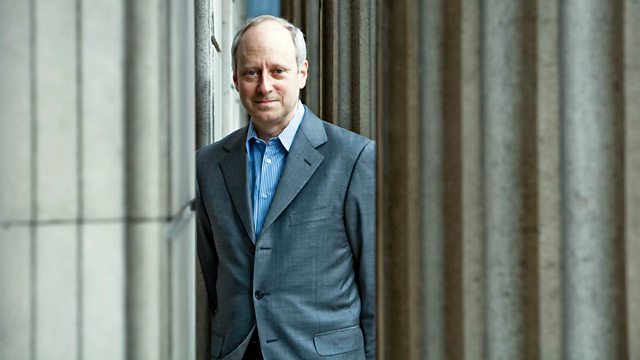
'My name is Michael Sandel | 0:01:32 | 0:01:34 | |
'and I teach political philosophy at Harvard University.' | 0:01:34 | 0:01:38 | |
To me, philosophy is not only a subject for the classroom. | 0:01:40 | 0:01:44 | |
It's a way of thinking through | 0:01:44 | 0:01:47 | |
the hard moral choices we make and debate all the time. | 0:01:47 | 0:01:51 | |
Should minorities always bend to the will of the majority? | 0:01:52 | 0:01:57 | |
Should you lie to protect a friend? | 0:01:57 | 0:01:59 | |
Is torture ever justified? | 0:01:59 | 0:02:03 | |
To answer questions such as these, we need to think about justice. | 0:02:03 | 0:02:08 | |
To do so, I'd like to invite you to join me on a journey to meet three philosophers. | 0:02:08 | 0:02:15 | |
Each had a different answer to the question, what is justice? | 0:02:15 | 0:02:20 | |
For Jeremy Bentham, justice means seeking the greatest happiness | 0:02:22 | 0:02:26 | |
for the greatest number of people. | 0:02:26 | 0:02:29 | |
Immanuel Kant disagreed. | 0:02:31 | 0:02:34 | |
He argues that justice means respecting human dignity. | 0:02:35 | 0:02:40 | |
Aristotle took a different view. | 0:02:40 | 0:02:43 | |
For him, justice is about cultivating virtue and a good life. | 0:02:43 | 0:02:50 | |
So who was right? | 0:02:50 | 0:02:52 | |
And what do these philosophers have to say to us and to our world? | 0:02:52 | 0:02:57 | |
We begin in London with Jeremy Bentham. | 0:03:01 | 0:03:05 | |
Though he lived in the 18th century, you can visit him today. | 0:03:05 | 0:03:10 | |
A rather eccentric character, | 0:03:12 | 0:03:14 | |
he instructed in his will that his body be preserved and put on display. | 0:03:14 | 0:03:20 | |
An auto icon, he called it. | 0:03:20 | 0:03:23 | |
So here's Jeremy Bentham. | 0:03:25 | 0:03:27 | |
Jeremy Bentham, yeah. The auto icon of Jeremy | 0:03:27 | 0:03:30 | |
has been here for many years in this particular part of the college. | 0:03:30 | 0:03:33 | |
It was part of my duties, I used to be the head beagle at the front lodge there | 0:03:33 | 0:03:39 | |
and I used to open him up on a daily basis | 0:03:39 | 0:03:42 | |
and close him up on a daily basis, | 0:03:42 | 0:03:44 | |
which normally entailed about 7:30 in the morning until six at night. | 0:03:44 | 0:03:48 | |
Those were his unofficial hours. | 0:03:48 | 0:03:51 | |
What do you call him? Do you call him Mr Bentham or Jeremy? | 0:03:51 | 0:03:54 | |
Mr Bentham, I address him as. | 0:03:54 | 0:03:58 | |
-You're not on first name terms after all these years? -THEY LAUGH | 0:03:58 | 0:04:02 | |
Every morning once I opened him up, | 0:04:02 | 0:04:04 | |
I used to say, "Good morning, Mr Bentham. Another quiet day ahead." | 0:04:04 | 0:04:09 | |
THEY LAUGH | 0:04:09 | 0:04:11 | |
Jeremy Bentham was born in 1748. | 0:04:12 | 0:04:15 | |
He was a child prodigy who went to Oxford at the age of 12 to study law. | 0:04:15 | 0:04:22 | |
So this is one of the manuscripts in Bentham's hand? | 0:04:22 | 0:04:26 | |
That's right, an original manuscript dating from about 1798. | 0:04:26 | 0:04:30 | |
Bentham wrote prolifically. | 0:04:30 | 0:04:32 | |
His works, which will ultimately fill 68 volumes, | 0:04:32 | 0:04:36 | |
are still being edited at University College, London. | 0:04:36 | 0:04:39 | |
He started off as a legal philosopher, | 0:04:39 | 0:04:43 | |
and he discovered his principle of utility in 1769, | 0:04:43 | 0:04:48 | |
when he was 21 years old, | 0:04:48 | 0:04:50 | |
and started to apply it to legal practice. | 0:04:50 | 0:04:54 | |
As he went on he found it could be applied universally, really. | 0:04:54 | 0:04:59 | |
What did he mean by utility? | 0:04:59 | 0:05:02 | |
It was a shorthand, really, | 0:05:02 | 0:05:06 | |
for happiness or pleasure. | 0:05:06 | 0:05:09 | |
The way he would put it was that someone who was an adherent of the principle of utility would be a | 0:05:09 | 0:05:15 | |
person who supported the increase of pleasure and the diminution of pain. | 0:05:15 | 0:05:21 | |
In his book on The Principles of Morals and Legislation, Jeremy Bentham set out the central | 0:05:40 | 0:05:47 | |
idea of his utilitarian philosophy - seek the greatest happiness for the greatest number of people. | 0:05:47 | 0:05:54 | |
On the basis of this simple idea, | 0:05:55 | 0:05:58 | |
Bentham proposed various schemes to improve British society. | 0:05:58 | 0:06:03 | |
He wanted to reform the legal system | 0:06:03 | 0:06:06 | |
so as to serve what he saw as the rational principle of utility. | 0:06:06 | 0:06:11 | |
He called for homosexuality to be decriminalised | 0:06:11 | 0:06:15 | |
and he approved of any activity that added to the sum of human happiness. | 0:06:15 | 0:06:20 | |
He was an early proponent of animal welfare, | 0:06:20 | 0:06:23 | |
arguing that animals suffer pain just as humans do. | 0:06:23 | 0:06:28 | |
But his moral calculus left no room for universal principles of human rights. | 0:06:30 | 0:06:36 | |
Even torture could be acceptable. | 0:06:36 | 0:06:38 | |
You can never rule anything out with Bentham's utilitarianism. | 0:06:38 | 0:06:43 | |
You can never absolutely say that something is always | 0:06:43 | 0:06:47 | |
and universally right and something is always and universally wrong. | 0:06:47 | 0:06:51 | |
-Even torture? -Even torture. | 0:06:51 | 0:06:54 | |
Bentham's proposals for reforming the poor laws | 0:06:55 | 0:06:59 | |
also reflected the harsh face of utilitarianism. | 0:06:59 | 0:07:02 | |
He thought that the sight of beggars in the street offended the sensibility | 0:07:02 | 0:07:07 | |
of good citizens by evoking the pains of sympathy and disgust. | 0:07:07 | 0:07:12 | |
His solution was to pay those good citizens to round up beggars at 20 shillings per head | 0:07:14 | 0:07:20 | |
and place them in workhouses, where they would be required to labour for their keep. | 0:07:20 | 0:07:25 | |
He recognised that this might make some beggars unhappy, | 0:07:25 | 0:07:30 | |
but according to his calculus the good would outweigh the harm. | 0:07:30 | 0:07:35 | |
What about the unhappiness of the beggar? | 0:07:36 | 0:07:39 | |
Bentham's view was that it was in the beggar's interest as well as in the community's | 0:07:39 | 0:07:43 | |
interest that the beggar became a productive member of the community rather than wasting their time, | 0:07:43 | 0:07:49 | |
annoying people on the streets. | 0:07:49 | 0:07:51 | |
What do they think of Bentham on the streets of London today? | 0:07:52 | 0:07:56 | |
So that was his idea. | 0:07:56 | 0:07:58 | |
-What do you think of it? -I think it's a rubbish idea. | 0:07:58 | 0:08:02 | |
-Yeah? Why do you think so? -Why don't they just send people out with guns | 0:08:02 | 0:08:07 | |
and let them shoot all the homeless? That would also | 0:08:07 | 0:08:10 | |
solve the problems. And who was these people to decide who could be dragged | 0:08:10 | 0:08:14 | |
into the workhouses? | 0:08:14 | 0:08:16 | |
The only thing I can say is Bentham was right | 0:08:16 | 0:08:19 | |
on just about everything else, so he might be right. | 0:08:19 | 0:08:22 | |
-But it's fraught with problems. -You're cutting people off. | 0:08:22 | 0:08:26 | |
You're saying put them people in a place like that, | 0:08:26 | 0:08:29 | |
and you're cutting them off from society. That's all you're doing. | 0:08:29 | 0:08:32 | |
This is what the government is trying to do with the Olympics. | 0:08:32 | 0:08:35 | |
"Get all of the homeless off the streets, because we don't want the tourists seeing how it really is." | 0:08:35 | 0:08:41 | |
So what do you think of Bentham's philosophy, that the way the law | 0:08:41 | 0:08:46 | |
should be should depend on whatever makes the greatest number of people the happiest? | 0:08:46 | 0:08:53 | |
-What do you think about that idea? -No. -It's rubbish. | 0:08:53 | 0:08:55 | |
And why? What's wrong with that idea? Tell us what's wrong. | 0:08:55 | 0:08:58 | |
Because I think in society, you have a responsibility to care for the more weakest and more vulnerable, | 0:08:58 | 0:09:05 | |
and if you sort of go along with whatever makes more people happy... | 0:09:05 | 0:09:11 | |
What if it makes more people happy that they don't see any old people because they smell? | 0:09:11 | 0:09:16 | |
"Let's put all them away. And disabled people. | 0:09:16 | 0:09:19 | |
"I don't really like looking at them. Let's put them away." | 0:09:19 | 0:09:23 | |
Where do you stop with that? | 0:09:23 | 0:09:25 | |
Then you're sort of moving into Nazi Germany, don't you, and let's have the wonderful, perfect race. | 0:09:25 | 0:09:31 | |
One of the strongest arguments against utilitarianism is that it fails to respect individual rights. | 0:09:39 | 0:09:46 | |
For example, suppose a big majority strongly dislikes women wearing burkas. | 0:09:46 | 0:09:51 | |
Does that mean the burka should be banned? | 0:09:51 | 0:09:55 | |
In France, they think so. | 0:09:55 | 0:09:58 | |
In 2010, backed by huge public support, | 0:09:58 | 0:10:01 | |
the French government passed a law banning the burka in public, | 0:10:01 | 0:10:06 | |
claiming that it violates France's secular tradition. | 0:10:06 | 0:10:10 | |
If a woman is wearing a burka or or niqab on the street, | 0:10:10 | 0:10:14 | |
the police will come and take her home back, you know? | 0:10:14 | 0:10:17 | |
If there is a second attempt, she will certainly be taken back again, | 0:10:17 | 0:10:22 | |
and certainly will get a fine. | 0:10:22 | 0:10:24 | |
Peter Singer is one of the world's leading utilitarian philosophers. | 0:10:24 | 0:10:30 | |
If a big enough majority is made very unhappy by women wearing burkas on the street, | 0:10:30 | 0:10:37 | |
is it right that they should be banned according to utilitarianism? | 0:10:37 | 0:10:42 | |
If millions of people are made seriously unhappy and there's | 0:10:42 | 0:10:46 | |
no way they can get around their unhappiness or adjust to the presence | 0:10:46 | 0:10:50 | |
of women in burkas on the street, | 0:10:50 | 0:10:51 | |
then certainly the numbers ought to prevail in that situation. | 0:10:51 | 0:10:55 | |
But what about religious liberty? | 0:10:55 | 0:10:58 | |
For a utilitarian, religious liberty is not an absolute. | 0:10:58 | 0:11:01 | |
Utilitarians don't find any list of rights somehow written up | 0:11:01 | 0:11:06 | |
in heaven or self evidently delivered to our minds. | 0:11:06 | 0:11:11 | |
They're not going to say that there's just an absolute | 0:11:11 | 0:11:14 | |
right to religious liberty which trumps utilitarian considerations. | 0:11:14 | 0:11:18 | |
On the contrary, they'll say rights are things that we devise and draw up | 0:11:18 | 0:11:21 | |
and enforce where they conduce to the larger, | 0:11:21 | 0:11:25 | |
long term benefit of everyone affected. | 0:11:25 | 0:11:28 | |
# La donna e mobile | 0:11:28 | 0:11:32 | |
# Qual piuma al vento... # | 0:11:32 | 0:11:35 | |
Bentham's focus on maximising happiness | 0:11:35 | 0:11:38 | |
led him to reject the distinction between high and low culture. | 0:11:38 | 0:11:43 | |
According to Bentham, it's not for us to judge some pleasures as higher or more noble than others. | 0:11:43 | 0:11:48 | |
Some people like to go to the opera. | 0:11:48 | 0:11:51 | |
Others like to watch football or dog fighting. | 0:11:51 | 0:11:54 | |
What matters is the quantity, not the quality of the pleasure. | 0:11:54 | 0:11:57 | |
States often put a lot of money into opera, and I wonder why, when it is | 0:11:57 | 0:12:03 | |
for rather a small group of clientele who are supporting it. | 0:12:03 | 0:12:06 | |
And I think states ought to be more concerned about | 0:12:06 | 0:12:10 | |
the happiness and welfare of all of their citizens, not of a minority. | 0:12:10 | 0:12:15 | |
But this is the question I want to press you on, Peter. | 0:12:15 | 0:12:18 | |
Is it just a matter of taste, of subjective preferences? | 0:12:18 | 0:12:22 | |
Surely the reason states subsidise opera or the arts generally is the view that cultivating | 0:12:22 | 0:12:28 | |
an appreciation for the arts is something that is intrinsically worthy? | 0:12:28 | 0:12:34 | |
I have trouble with the idea of intrinsically worthy here. | 0:12:34 | 0:12:37 | |
I can see that some things do stimulate us to think about | 0:12:37 | 0:12:41 | |
other things, but the idea that it is more intrinsically worthy, | 0:12:41 | 0:12:46 | |
independently of those consequences, is something | 0:12:46 | 0:12:50 | |
that I'm not sure exactly what that is supposed to mean. | 0:12:50 | 0:12:54 | |
All right, but suppose, Peter, you've got these people who love dog fighting. | 0:12:54 | 0:12:58 | |
You take them to football matches and you try to change their tastes. | 0:12:58 | 0:13:04 | |
You may even take them to the opera and persuade them that they would like that even more. | 0:13:04 | 0:13:09 | |
But you fail. | 0:13:10 | 0:13:13 | |
They've been to the football match, | 0:13:13 | 0:13:15 | |
they've gone to the opera, they've heard your arguments, | 0:13:15 | 0:13:20 | |
but they say, "We still love dog fighting. | 0:13:20 | 0:13:23 | |
"Yes, it creates some suffering for the dogs, but there aren't that many | 0:13:23 | 0:13:27 | |
"dogs and there are thousands upon thousands of us." Then? | 0:13:27 | 0:13:33 | |
You're trying to make it very tough, and it is tough, because | 0:13:34 | 0:13:41 | |
I still think that dog fighting is something we ought to get rid of, | 0:13:41 | 0:13:44 | |
because I think it has a brutalising effect, not only on these small | 0:13:44 | 0:13:48 | |
number of dogs there, but on people's attitudes to animals in general. | 0:13:48 | 0:13:52 | |
It would be the same if instead of dogs we would have picked some | 0:13:52 | 0:13:55 | |
despised racial minority and make them fight, as the Romans did with the gladiators. | 0:13:55 | 0:14:00 | |
Wasn't a racial minority, perhaps, but it was captives. | 0:14:00 | 0:14:04 | |
We have to think about the attitude that that inculcates, | 0:14:04 | 0:14:09 | |
to think that it is OK to treat people like that for our amusement. | 0:14:09 | 0:14:12 | |
If the only reason you condemn it and reject it is that | 0:14:12 | 0:14:18 | |
in the long run it will produce less happiness, isn't something missing? | 0:14:18 | 0:14:23 | |
Don't you want to say it's wrong in itself, isn't it, quite apart from how the calculus works out? | 0:14:23 | 0:14:28 | |
I want us to have an instinctive reaction that says "You must never do that." | 0:14:28 | 0:14:34 | |
But as philosophers, | 0:14:34 | 0:14:37 | |
I think we also want to ask further questions about | 0:14:37 | 0:14:40 | |
what does this instinctive reaction really show? | 0:14:40 | 0:14:46 | |
Probably it shows something about the way we've evolved to | 0:14:46 | 0:14:51 | |
care for others in our community, and that is something that is good and we want to encourage. | 0:14:51 | 0:14:55 | |
But does it show some kind of | 0:14:55 | 0:14:58 | |
absolute moral right that people have not to be treated as a means to the ends of others? I don't think so. | 0:14:58 | 0:15:05 | |
Jeremy Bentham left us with more than his eternal physical presence. | 0:15:09 | 0:15:14 | |
He also left us with two big questions of moral and political philosophy. | 0:15:14 | 0:15:19 | |
First, should we respect individual rights only insofar as doing so promotes human happiness? | 0:15:19 | 0:15:26 | |
Or is there a principle of human dignity above and beyond utilitarian considerations? | 0:15:26 | 0:15:33 | |
And second, is happiness just a matter of pleasure, of satisfying our subjective preferences? | 0:15:33 | 0:15:40 | |
Or does happiness mean living a life that helps us see | 0:15:40 | 0:15:44 | |
certain preferences, certain values, as higher, as worthier than others? | 0:15:44 | 0:15:49 | |
One of the most powerful responses to the question of rights came from Immanuel Kant. | 0:16:02 | 0:16:09 | |
Kant was born in 1724 in the Prussian town of Koenigsberg. | 0:16:09 | 0:16:14 | |
He was a university professor who lived in the era | 0:16:14 | 0:16:18 | |
of Frederick the Great when Prussia was becoming | 0:16:18 | 0:16:22 | |
a cultural and political powerhouse. | 0:16:22 | 0:16:25 | |
Immanuel Kant rejected utilitarianism. | 0:16:25 | 0:16:29 | |
He didn't think morality was a matter of satisfying our preferences. | 0:16:29 | 0:16:34 | |
According to Kant, morality requires using our reason | 0:16:34 | 0:16:37 | |
to arrive at a universal moral principle | 0:16:37 | 0:16:40 | |
that doesn't depend on any of our wants and desires. | 0:16:40 | 0:16:45 | |
The principle he argued for, he called the categorical imperative. | 0:16:45 | 0:16:49 | |
The categorical imperative tells us that we must always treat one another with dignity and respect, | 0:16:54 | 0:17:00 | |
and never use anyone simply as a means to an end. | 0:17:00 | 0:17:04 | |
For Kant, morality is not about calculating the consequences of our actions. | 0:17:06 | 0:17:12 | |
It's about acting out of duty, out of principle, | 0:17:12 | 0:17:15 | |
doing the right thing for the right reason. | 0:17:15 | 0:17:18 | |
He illustrates this by asking us to imagine | 0:17:18 | 0:17:21 | |
an inexperienced customer, say a child, who goes into a shop to buy a loaf of bread. | 0:17:21 | 0:17:27 | |
Guten Tag. | 0:17:41 | 0:17:43 | |
-Ein brot, bitte. -Ja. | 0:17:43 | 0:17:47 | |
The child doesn't know a 50-euro note from a five-euro note, so the shopkeeper could easily cheat him. | 0:17:50 | 0:17:57 | |
So why does she give him the correct change? | 0:17:59 | 0:18:02 | |
A calculating shopkeeper thinks she will gain something in the end. | 0:18:02 | 0:18:06 | |
She believes that a reputation for honesty is good for business. | 0:18:06 | 0:18:12 | |
This calculated honesty lacks moral worth. | 0:18:12 | 0:18:15 | |
That's because the shopkeeper is acting not out of principle, but only out of self interest. | 0:18:15 | 0:18:20 | |
For Kant, what matters is the motive. | 0:18:20 | 0:18:25 | |
In a famous moral conundrum, Kant explored the duty to tell the truth | 0:18:31 | 0:18:37 | |
in a much debated story about lying. | 0:18:37 | 0:18:40 | |
According to Kant, telling a lie, even to spare someone's feelings, is wrong. | 0:18:42 | 0:18:49 | |
It's at odds with the categorical imperative. | 0:18:49 | 0:18:51 | |
But suppose a friend is hiding in your house and a murderer comes to the door looking for him. | 0:18:51 | 0:18:57 | |
Do you have a moral duty to tell the truth even to the murderer? | 0:18:57 | 0:19:02 | |
Ist Manfred hier? | 0:19:07 | 0:19:10 | |
It seems you have only two choices, both bad. | 0:19:10 | 0:19:14 | |
Tell the truth, in which case you are helping the murderer... | 0:19:14 | 0:19:17 | |
Ja. | 0:19:17 | 0:19:19 | |
Or tell an outright lie... | 0:19:22 | 0:19:24 | |
Nein. | 0:19:24 | 0:19:27 | |
..thereby violating the categorical imperative. | 0:19:27 | 0:19:30 | |
Kant's hard line against lying, | 0:19:30 | 0:19:34 | |
even to the murderer at the door, seems difficult to defend. | 0:19:34 | 0:19:39 | |
But is there something to it? | 0:19:39 | 0:19:42 | |
Carolin Emcke is a war reporter and a leading German intellectual. | 0:19:42 | 0:19:47 | |
Look, I don't want Kant to sound like | 0:19:47 | 0:19:52 | |
completely unrealistic, irrelevant philosopher. | 0:19:52 | 0:19:56 | |
If we come up with this example of the murderer, | 0:19:56 | 0:19:59 | |
everybody looking this will say, "What an idiot! | 0:19:59 | 0:20:02 | |
"Of course you'd lie." | 0:20:02 | 0:20:05 | |
I want to defend the rigourism | 0:20:05 | 0:20:10 | |
of adhering to values no matter what the circumstances, not because I | 0:20:10 | 0:20:16 | |
think we would never lie in such moments - of course we would lie. | 0:20:16 | 0:20:21 | |
But in order to say what would happen | 0:20:21 | 0:20:25 | |
if we would defend this. What Kant reminds us of with his rigourism, | 0:20:25 | 0:20:32 | |
though, is to say you lose something. | 0:20:32 | 0:20:36 | |
You something when you lie, | 0:20:36 | 0:20:39 | |
not just the respect of the other person, also the dignity of yourself. | 0:20:39 | 0:20:44 | |
Kant's emphasis on human dignity | 0:20:44 | 0:20:47 | |
has led him to be called the father of human rights. | 0:20:47 | 0:20:51 | |
And his influence remains strong in modern Germany. | 0:20:51 | 0:20:54 | |
The first article of the constitution declares that | 0:20:54 | 0:20:58 | |
human dignity shall be inviolable, never to be compromised. | 0:20:58 | 0:21:03 | |
But what happens when respecting someone's dignity | 0:21:05 | 0:21:08 | |
prevents us from acting to save an innocent life? | 0:21:08 | 0:21:13 | |
In 2002, Jakob von Metzler, | 0:21:19 | 0:21:21 | |
the 11-year-old son of a prominent German banking family, was kidnapped. | 0:21:21 | 0:21:28 | |
A few days later, the police arrested Magnus Gaefgen after he had collected the ransom money. | 0:21:28 | 0:21:35 | |
But he refused to say where his victim was hidden. | 0:21:35 | 0:21:40 | |
The deputy police chief of Frankfurt told this kidnapper | 0:21:40 | 0:21:46 | |
that if he doesn't tell where the child is hidden, he would suffer | 0:21:46 | 0:21:51 | |
in a way that he cannot even imagine. | 0:21:51 | 0:21:55 | |
-He threatened to torture? -He threatened him with torture, exactly. | 0:21:55 | 0:21:59 | |
The threat worked. | 0:22:00 | 0:22:02 | |
Gaefgen admitted that he had already killed the boy and hidden the body. | 0:22:02 | 0:22:08 | |
He was given a life sentence for murder, | 0:22:10 | 0:22:13 | |
but remarkably, the deputy police chief | 0:22:13 | 0:22:16 | |
was also prosecuted and convicted of violating the kidnapper's rights. | 0:22:16 | 0:22:22 | |
You're trying to save an innocent child, and here you have the criminal who kidnapped him. | 0:22:25 | 0:22:31 | |
The argument against it is that there are some | 0:22:31 | 0:22:34 | |
inherent qualities in a person | 0:22:34 | 0:22:37 | |
that a person cannot forfeit, even by doing the worst deeds possible. | 0:22:37 | 0:22:42 | |
According to Kantian ethics, you're not allowed to just use a person, | 0:22:42 | 0:22:50 | |
to just abuse him, to hurt him, to torture him, | 0:22:50 | 0:22:53 | |
to get something out of him, even if the purpose of this was good. | 0:22:53 | 0:22:58 | |
-Because that's using a person as a means, rather than respecting him as an end? -Exactly. | 0:22:58 | 0:23:05 | |
Even though he's a criminal? | 0:23:05 | 0:23:06 | |
-A kidnapper! -Even though he's a criminal, even though we think he didn't really act... | 0:23:06 | 0:23:12 | |
He didn't have much dignity in his own actions, and why should you treat him with respect and dignity? | 0:23:12 | 0:23:19 | |
Exactly. You're not allowed to treat a person as a means for another end. | 0:23:19 | 0:23:24 | |
Now here's what a utilitarian would say. | 0:23:24 | 0:23:26 | |
A utilitarian would say, "You've defended Kant | 0:23:26 | 0:23:32 | |
"on his categorical principle, | 0:23:32 | 0:23:35 | |
"but you've just shown what is morally absurd about the Kantian position." | 0:23:35 | 0:23:41 | |
Within the utilitarian way of thinking about moral issues or moral cases, | 0:23:41 | 0:23:49 | |
you cannot distinguish in the end any more what kind of action is good and what kind of action is bad. | 0:23:49 | 0:23:56 | |
It's totally relative. | 0:23:56 | 0:24:01 | |
In some instances it's good to torture, in other instances it's not good to torture. | 0:24:01 | 0:24:05 | |
What about respect for human dignity? | 0:24:05 | 0:24:08 | |
Well, I again I would say what about respect for the dignity of the child? | 0:24:08 | 0:24:12 | |
Here is a child who is locked up somewhere, | 0:24:12 | 0:24:15 | |
going to die slowly from hunger and thirst. | 0:24:15 | 0:24:19 | |
There's no way that's a dignified thing to do to the child. | 0:24:19 | 0:24:23 | |
As a utilitarian I would say if I know that I can save the child | 0:24:23 | 0:24:27 | |
and I don't, then I'm responsible for that child's death. | 0:24:27 | 0:24:31 | |
That's what, in my view, | 0:24:31 | 0:24:32 | |
Kantians refuse to acknowledge - their responsibility for the things | 0:24:32 | 0:24:37 | |
that they don't do that could save lives. | 0:24:37 | 0:24:40 | |
In the German case, the kidnapping case, they were confident that they had identified the perpetrator. | 0:24:40 | 0:24:46 | |
Let's assume that's the case, but the perpetrators still won't talk, even under torture. | 0:24:46 | 0:24:52 | |
But he would talk if you tortured his 14-year-old daughter. | 0:24:52 | 0:24:59 | |
Would you do it? | 0:24:59 | 0:25:01 | |
That would be a much harder case, on an emotional level. | 0:25:01 | 0:25:05 | |
I think, to torture someone who you know has done something horrible is something | 0:25:05 | 0:25:08 | |
that you can psychologically come at more easily than to torture somebody who is completely innocent. | 0:25:08 | 0:25:15 | |
If it's simply the one on one case here, I would say no, | 0:25:15 | 0:25:18 | |
because the child you're torturing | 0:25:18 | 0:25:21 | |
is just as innocent as the child who is dying. | 0:25:21 | 0:25:23 | |
But if there are 10 children... | 0:25:23 | 0:25:26 | |
If you up the numbers, I suppose I'm going to | 0:25:26 | 0:25:29 | |
come under a lot of pressure and perhaps I will say, I don't know if I could do it, but perhaps I would say | 0:25:29 | 0:25:36 | |
if you really knew that that was going to get the information to save the 10 children, | 0:25:36 | 0:25:43 | |
then the right thing to do would be to torture one to save 10. | 0:25:43 | 0:25:46 | |
Even an innocent girl? | 0:25:46 | 0:25:49 | |
She's innocent, but so are the 10 innocent, of course. | 0:25:49 | 0:25:51 | |
-And it's a matter of numbers. -It's a matter of numbers in the end. | 0:25:51 | 0:25:54 | |
As a war reporter, I have to say... | 0:25:54 | 0:25:57 | |
I can see... | 0:25:59 | 0:26:02 | |
I speak to people who are victims of this kind of thinking. | 0:26:03 | 0:26:10 | |
If you talk to people who were tortured badly, exactly with that kind of argument... | 0:26:10 | 0:26:17 | |
It's so evident why you need Kantian thinking as the guidance, per se, | 0:26:21 | 0:26:29 | |
to stop people from thinking they could use others as a means. | 0:26:29 | 0:26:34 | |
For me, that's... | 0:26:34 | 0:26:37 | |
I see it on every single trip I make, | 0:26:37 | 0:26:40 | |
to whichever country, wherever I speak to people | 0:26:40 | 0:26:43 | |
who were abused, who were tortured, who were | 0:26:43 | 0:26:48 | |
mistreated with such kind of argument that, "It's for a purpose. | 0:26:48 | 0:26:54 | |
"There's a good end to this. There's a reason why we can torture people." | 0:26:54 | 0:26:59 | |
It's devastating to see that. | 0:26:59 | 0:27:02 | |
So, I'm deeply convinced that Kantian thinking | 0:27:02 | 0:27:06 | |
is the best guidance we have to protect human rights. | 0:27:06 | 0:27:11 | |
The von Metzler case prompted much debate | 0:27:13 | 0:27:17 | |
over Germany's constitutional commitment to human dignity. | 0:27:17 | 0:27:22 | |
Those debates intensified | 0:27:22 | 0:27:24 | |
as Germany and the rest of the world | 0:27:24 | 0:27:27 | |
entered the age of terror. | 0:27:27 | 0:27:29 | |
After the 9/11 attacks, flying was transformed | 0:27:49 | 0:27:53 | |
from a symbol of freedom, into a sign of vulnerability. | 0:27:53 | 0:27:57 | |
All over the world, governments enacted new policies | 0:27:59 | 0:28:03 | |
to combat the threat of international terrorism. | 0:28:03 | 0:28:07 | |
In Germany, one of the most controversial laws | 0:28:07 | 0:28:11 | |
was the Aviation Security Act, which gave the German air force | 0:28:11 | 0:28:15 | |
permission to shoot down any hijacked plane that could be used in a terrorist attack. | 0:28:15 | 0:28:21 | |
The law was heavily debated, | 0:28:24 | 0:28:26 | |
also in constitutional terms. | 0:28:26 | 0:28:28 | |
I don't remember many laws that were so seriously debated before it was enacted, not only in parliament | 0:28:28 | 0:28:34 | |
but in the general public as to its constitutionality. | 0:28:34 | 0:28:37 | |
A year later, however, Germany's constitutional court overturned | 0:28:37 | 0:28:42 | |
the law, saying it violated the dignity of the passengers and crew. | 0:28:42 | 0:28:46 | |
The court interestingly enough used the formula of Kant. | 0:28:46 | 0:28:50 | |
They didn't quote Kant, but it used the formula of Kant, that dignity | 0:28:50 | 0:28:54 | |
means that you may not treat a person as a mere object for other purposes. | 0:28:54 | 0:29:00 | |
-Everybody is a purpose in himself or herself. -An end in himself? | 0:29:00 | 0:29:05 | |
An end in himself and herself, and you may not treat a person as a mere object for other purposes. | 0:29:05 | 0:29:10 | |
But you see a plane flying into the World Trade Center | 0:29:10 | 0:29:15 | |
and you decide not to shoot it down, because you respect the passengers as ends in themselves. | 0:29:15 | 0:29:21 | |
What about thousands of people | 0:29:21 | 0:29:23 | |
who in a few seconds will die in the World Trade Center? | 0:29:23 | 0:29:27 | |
Aren't they also ends in themselves? | 0:29:27 | 0:29:29 | |
Oh, yeah, they are also ends in themselves. | 0:29:29 | 0:29:31 | |
But I think it makes a difference whether the state acts or does not act. | 0:29:31 | 0:29:36 | |
I know, of course, that not acting is also a way of acting. | 0:29:36 | 0:29:41 | |
But I think if the act is killing, if the act is killing | 0:29:41 | 0:29:48 | |
innocent people, I think it has a different category than letting things happen. | 0:29:48 | 0:29:53 | |
Why don't the numbers matter morally, a few hundred on a plane verses tens of thousands | 0:29:53 | 0:30:00 | |
on the ground, especially when those few hundred on a plane are going to die in a matter of minutes anyhow? | 0:30:00 | 0:30:08 | |
You are not allowed to really think, well, this life only lasts a few more hours or minutes whereas the life of | 0:30:08 | 0:30:16 | |
the others who might be killed by that plane or live in a city might have lasted many more years. | 0:30:16 | 0:30:22 | |
That is irrelevant. It is unconditional. | 0:30:22 | 0:30:25 | |
I think this is a Kantian tradition gone crazy and I think it also shows | 0:30:25 | 0:30:29 | |
the danger of having constitutional courts, | 0:30:29 | 0:30:33 | |
that proclaim absolute rights in the face of what might be | 0:30:33 | 0:30:37 | |
major public policy needs. | 0:30:37 | 0:30:40 | |
Presumably, if they think that is a right, they would think the same would be true if you had to | 0:30:40 | 0:30:44 | |
kill one innocent hostage to stop a nuclear bomb going off in the midst of Berlin. | 0:30:44 | 0:30:50 | |
Even though when the bomb went off the hostage would be | 0:30:50 | 0:30:53 | |
blown to pieces as well as five million other people. | 0:30:53 | 0:30:55 | |
This is the problem with rights and this is where utilitarianism has such a huge | 0:30:55 | 0:30:59 | |
advantage over rights, because if you get into an absolute right mode you could be saying these things | 0:30:59 | 0:31:05 | |
whereas the utilitarian would say, five million lives lost or one life, which anyway won't last much longer? | 0:31:05 | 0:31:12 | |
Obviously better to take one life now and save the five million. | 0:31:12 | 0:31:15 | |
Germany today still bears the marks of its morally burdened history. | 0:31:28 | 0:31:34 | |
The remnants of the Berlin Wall that divided the city during the Cold War. | 0:31:34 | 0:31:40 | |
The stark lines of Nazi architecture. | 0:31:40 | 0:31:45 | |
And now, a massive work of public art a few hundred metres from the German parliament. | 0:31:45 | 0:31:52 | |
The memorial to the murdered Jews of Europe. | 0:31:52 | 0:31:56 | |
The genocide of six million. | 0:31:56 | 0:31:59 | |
For Germany's post-war generations, the insistence on human dignity | 0:32:07 | 0:32:13 | |
is one way of coming to terms with the horror of the Holocaust. | 0:32:13 | 0:32:19 | |
My generation is still morally responsible for the Holocaust. | 0:32:19 | 0:32:26 | |
I think it doesn't matter if I committed the crime or whether it was... | 0:32:26 | 0:32:33 | |
It doesn't even matter whether my grandparents personally committed any crimes, or were guilty | 0:32:33 | 0:32:40 | |
of committing such crimes. That is irrelevant. | 0:32:40 | 0:32:45 | |
These were so outrageous crimes and they were not just committed | 0:32:49 | 0:32:53 | |
by individuals, they really were committed by an entire society. | 0:32:53 | 0:32:57 | |
It was a collective crime that was committed. | 0:32:57 | 0:33:01 | |
That explains why there's collective responsibility. | 0:33:01 | 0:33:04 | |
When I was a child, we travelled on a school trip | 0:33:07 | 0:33:11 | |
to Denmark and the children in Denmark would throw stones at us and yell at us as Nazi kids. | 0:33:11 | 0:33:18 | |
You know, they were right. | 0:33:20 | 0:33:21 | |
Taking responsibility for the sins of past generations | 0:33:23 | 0:33:27 | |
is a powerful moral idea. | 0:33:27 | 0:33:29 | |
But it's not clear that Kant's philosophy can make sense of it. | 0:33:31 | 0:33:34 | |
For Kant, we are responsible only for the acts we freely choose, | 0:33:35 | 0:33:40 | |
not for our country's past or for the crimes of our grandparents. | 0:33:40 | 0:33:45 | |
Do you think this idea | 0:33:45 | 0:33:47 | |
that you have articulated so eloquently of identity being shaped | 0:33:47 | 0:33:55 | |
by nation, culture, history, | 0:33:55 | 0:33:59 | |
could Kant make sense of it morally? | 0:33:59 | 0:34:04 | |
Probably not. I think for a number of reasons. | 0:34:07 | 0:34:11 | |
A, because Kant did not have, I think, | 0:34:11 | 0:34:14 | |
as strong an understanding of psyche. | 0:34:14 | 0:34:17 | |
He is not a psychologically informed philosopher. | 0:34:17 | 0:34:22 | |
To some extent that's irrelevant, he would consider the idea of | 0:34:22 | 0:34:28 | |
the sense of guilt, I think, | 0:34:28 | 0:34:31 | |
or the sense of shame or the sense of inheriting something from | 0:34:31 | 0:34:37 | |
generations before you. | 0:34:37 | 0:34:40 | |
I don't think he would even have thought about this. | 0:34:42 | 0:34:45 | |
Would he go even further and have a principled reason | 0:34:45 | 0:34:50 | |
not to attribute any moral responsibilities? | 0:34:50 | 0:34:55 | |
Probably. It's interesting. | 0:34:55 | 0:34:57 | |
He doesn't speak about this so we are speculating. | 0:34:57 | 0:35:01 | |
You're right, to some extent he probably would have been | 0:35:01 | 0:35:04 | |
against a generation taking responsibility from a previous one. | 0:35:04 | 0:35:08 | |
Because somehow that would also mean | 0:35:08 | 0:35:11 | |
that generation is just an instrument of an earlier generation. | 0:35:11 | 0:35:19 | |
Kant's insistence that morality means stepping back | 0:35:28 | 0:35:31 | |
from our particular identities raises a difficulty. | 0:35:31 | 0:35:35 | |
If all morality is something I will or choose, what about obligations of solidarity? | 0:35:37 | 0:35:42 | |
Obligations bound up with the history of my people and my country? | 0:35:42 | 0:35:47 | |
And there's a bigger question. Is it possible to define justice | 0:35:47 | 0:35:51 | |
without first figuring out the meaning of the good life? | 0:35:51 | 0:35:55 | |
Without first reflecting on the best way to live? | 0:35:55 | 0:35:58 | |
These days we try to avoid bringing questions of virtue into debates about justice and politics. | 0:36:08 | 0:36:15 | |
People disagree, after all, about the best way to live. | 0:36:15 | 0:36:19 | |
But can politics really be neutral on moral and spiritual questions? | 0:36:19 | 0:36:25 | |
To explore this, we turn to what may seem an unlikely place. | 0:36:25 | 0:36:31 | |
2,500 years ago in ancient Athens, we find a more demanding idea of | 0:36:31 | 0:36:37 | |
citizenship and of politics than is familiar these days. | 0:36:37 | 0:36:42 | |
For Aristotle, politics was not just about maximising GDP or even protecting individual rights. | 0:36:42 | 0:36:50 | |
It was about the good life. | 0:36:50 | 0:36:52 | |
Aristotle lived and taught in Athens in the fourth century BC. | 0:36:55 | 0:37:01 | |
Aristotle, the great philosopher of Athens. | 0:37:03 | 0:37:07 | |
He was not from Athens. | 0:37:07 | 0:37:09 | |
Where was he from? | 0:37:09 | 0:37:11 | |
He was from northern Greece, he was born in a | 0:37:11 | 0:37:13 | |
small city in northern Greece, in Macedonia, Stageira it's called. | 0:37:13 | 0:37:18 | |
So he was known as a Stagirite. | 0:37:18 | 0:37:20 | |
He came to Athens at age 17. | 0:37:20 | 0:37:23 | |
-What brought him here? -To study at Plato's academy. | 0:37:23 | 0:37:27 | |
Apparently, he studied for 20 years. | 0:37:27 | 0:37:28 | |
He did the full course of study, which means... | 0:37:28 | 0:37:33 | |
20 years to get a degree? | 0:37:33 | 0:37:35 | |
To get the degree to join the teaching body. | 0:37:35 | 0:37:38 | |
Even our graduate students don't spend that long! | 0:37:38 | 0:37:40 | |
-Well, they studied better in that period! -Probably! -THEY LAUGH | 0:37:40 | 0:37:45 | |
For Aristotle, morality is not about absolute rules and abstract principles. | 0:37:53 | 0:37:58 | |
It's about developing good character and virtue. | 0:37:58 | 0:38:02 | |
This is something we learn by doing. | 0:38:05 | 0:38:08 | |
By acquiring good habits and by emulating the behaviour of virtuous people. | 0:38:08 | 0:38:13 | |
For Aristotle, justice means distributing things according to virtue. | 0:38:20 | 0:38:25 | |
According to the relevant excellence. | 0:38:25 | 0:38:27 | |
For example, who should receive the best musical instruments? | 0:38:27 | 0:38:31 | |
The best bouzoukis? Aristotle's answer? | 0:38:31 | 0:38:34 | |
The best musicians. | 0:38:34 | 0:38:35 | |
They excel in the relevant virtue. | 0:38:35 | 0:38:39 | |
Aristotle extends this reasoning to politics. | 0:38:39 | 0:38:42 | |
Who should receive the highest offices and honours, | 0:38:42 | 0:38:45 | |
who should wield the greatest influence in the assembly? | 0:38:45 | 0:38:48 | |
Aristotle says those who are greatest in civic virtue. | 0:38:48 | 0:38:51 | |
Those with the best political judgment and the deepest commitment to the common good. | 0:38:51 | 0:38:56 | |
For Aristotle, we are, by nature, political beings. | 0:38:57 | 0:39:01 | |
We can only develop our full human capacities | 0:39:01 | 0:39:05 | |
by participating in a political community. | 0:39:05 | 0:39:08 | |
Or polis. | 0:39:08 | 0:39:11 | |
This is the Agora, the heart of ancient Athens. | 0:39:11 | 0:39:14 | |
It included the marketplace, the civic buildings | 0:39:14 | 0:39:17 | |
and public spaces where citizens gathered. | 0:39:17 | 0:39:20 | |
Aristotle tells us that the purpose of politics or the | 0:39:20 | 0:39:24 | |
political community is not just to provide us | 0:39:24 | 0:39:28 | |
with security and not just to ease commerce and exchange. | 0:39:28 | 0:39:33 | |
The point of politics, the purpose, | 0:39:33 | 0:39:35 | |
the telos of the political community, is the good life. | 0:39:35 | 0:39:39 | |
What does he mean by that? | 0:39:39 | 0:39:41 | |
A good and full life. | 0:39:41 | 0:39:43 | |
That is the fullness of human potential. | 0:39:43 | 0:39:49 | |
Which includes | 0:39:49 | 0:39:52 | |
public service, especially exercising responsibility in public life. | 0:39:52 | 0:39:58 | |
But also a full intellectual life. | 0:39:58 | 0:40:00 | |
So the life of political participation, | 0:40:00 | 0:40:03 | |
the life of the polis, was not only to make the policies | 0:40:03 | 0:40:07 | |
and make them well, | 0:40:07 | 0:40:09 | |
it was to provide a civic education for the participants? | 0:40:09 | 0:40:13 | |
Civic education which would lead | 0:40:13 | 0:40:16 | |
to the maturity of personality. | 0:40:16 | 0:40:20 | |
The personality grows through this process of public exposure and public action. | 0:40:20 | 0:40:27 | |
So participating in politics was a way of improving your character, even? Shaping our character? | 0:40:27 | 0:40:34 | |
Shaping and improving our character and realising our natural sociability. | 0:40:34 | 0:40:40 | |
In Athens today, some still believe | 0:40:42 | 0:40:46 | |
that modern Greek politics could learn a lot from Aristotle's ideas. | 0:40:46 | 0:40:51 | |
The political life does not mean what we have today. | 0:40:51 | 0:40:55 | |
Just politics. It means civil life, | 0:40:55 | 0:40:58 | |
it means civic association and everything that | 0:40:58 | 0:41:02 | |
goes with it. Being a part of a group as well as an individual and not just | 0:41:02 | 0:41:05 | |
an individual who is a number in a huge mass or a huge structure. | 0:41:05 | 0:41:11 | |
-Taking your pleasure with the others. -With the others? | 0:41:11 | 0:41:15 | |
Sharing in the common good? | 0:41:15 | 0:41:17 | |
-Not just pleasure. -No, but also pleasure. | 0:41:17 | 0:41:20 | |
-Also pleasure. -Pleasure in deliberating, pleasure | 0:41:20 | 0:41:24 | |
in deciding. Pleasure in obeying. | 0:41:24 | 0:41:28 | |
That kind of pleasure takes place in the Assembly rather than in the shopping mall? | 0:41:28 | 0:41:33 | |
Not just the Assembly. The Assembly is a tool. | 0:41:33 | 0:41:36 | |
It is the life of the polis that is important. | 0:41:36 | 0:41:40 | |
Politics is the tool for | 0:41:40 | 0:41:42 | |
taking and realising this life and bringing it to its utmost potential. | 0:41:42 | 0:41:48 | |
In a purely private life... | 0:41:48 | 0:41:50 | |
That is probably the main difference between ancient Greece and modern | 0:41:53 | 0:41:58 | |
European culture. The individual does not exist | 0:41:58 | 0:42:02 | |
in ancient Greek culture. | 0:42:02 | 0:42:04 | |
The notion of liberty does not exist in ancient philosophy. | 0:42:04 | 0:42:09 | |
-Of individual liberty? -Of the individual. | 0:42:09 | 0:42:12 | |
The notion is idiotic, the private person... | 0:42:12 | 0:42:16 | |
-An idiot? -An idiot. -It is the word. Same. -Someone who has a purely private life? | 0:42:16 | 0:42:21 | |
The etymology of the world idiot means a private person. | 0:42:21 | 0:42:27 | |
He who chooses to be private is an idiot. | 0:42:27 | 0:42:30 | |
What is wrong with a good, upright, private life, | 0:42:30 | 0:42:33 | |
-according to Aristotle? -There is nothing wrong with it. | 0:42:33 | 0:42:38 | |
Except that it remains incomplete, | 0:42:38 | 0:42:42 | |
it remains limited to the level of domestic household activity. | 0:42:42 | 0:42:49 | |
And that is not good enough. | 0:42:49 | 0:42:52 | |
If you want to be a full person, a mature person, | 0:42:52 | 0:42:54 | |
you have to participate in politics and you have to participate in politics in a virtuous manner. | 0:42:54 | 0:43:00 | |
It's not enough to go and try to sway public opinion, you have to be | 0:43:00 | 0:43:05 | |
mature enough and knowledgeable enough to be able to guide public opinion. | 0:43:05 | 0:43:09 | |
This is the Assembly, where the citizens of Athens would | 0:43:13 | 0:43:17 | |
gather to debate and decide the big public questions of the day. | 0:43:17 | 0:43:22 | |
6,000 to 10,000 of them would fill this open air assembly | 0:43:22 | 0:43:27 | |
and they would listen to speakers, sometimes great orators. | 0:43:27 | 0:43:31 | |
The orators would stand up here on this platform | 0:43:31 | 0:43:34 | |
and they would make their case, | 0:43:34 | 0:43:36 | |
they would advance arguments on all sides of public questions. | 0:43:36 | 0:43:40 | |
Deciding, for example, whether to go to war with Sparta. | 0:43:40 | 0:43:43 | |
It was a remarkable kind of direct democracy. | 0:43:43 | 0:43:46 | |
Because if the people decided to go to war, they knew that they would be | 0:43:46 | 0:43:51 | |
the ones, in a matter of days sometimes, to go off and fight it. | 0:43:51 | 0:43:54 | |
CHANTING AND SHOUTING | 0:43:54 | 0:43:59 | |
These days, Athens is not threatened by Sparta. | 0:44:06 | 0:44:09 | |
But the current global economic crisis has caused Greece to go to war with itself. | 0:44:09 | 0:44:15 | |
In 2010, it struggled with the financial crisis that engulfed the world. | 0:44:18 | 0:44:24 | |
The age of austerity brought demonstrations and disturbances all around Europe. | 0:44:24 | 0:44:30 | |
In Greece, the crisis was particularly acute. | 0:44:32 | 0:44:35 | |
Faced with national bankruptcy, the Greek government proposed stringent cuts to the public sector. | 0:44:35 | 0:44:43 | |
This was met with huge demonstrations and violent confrontations. | 0:44:43 | 0:44:47 | |
My sympathies were for the demonstrators and against | 0:44:50 | 0:44:55 | |
all violent actions, that were outside the scope, | 0:44:55 | 0:44:59 | |
the system of simple, non-violent demonstration. | 0:44:59 | 0:45:04 | |
Because a demonstration is one of the possibilities | 0:45:04 | 0:45:10 | |
of civil society to make itself heard. | 0:45:10 | 0:45:14 | |
The violence culminated with the deaths of three employees | 0:45:17 | 0:45:21 | |
who were killed when their bank was firebombed. | 0:45:21 | 0:45:25 | |
I would say that what it certainly refers to, even violence, is a general sense of | 0:45:25 | 0:45:33 | |
incapacity of the population to take decisions about the future. | 0:45:33 | 0:45:37 | |
A sense of disempowerment? | 0:45:37 | 0:45:40 | |
Yes, disempowerment. | 0:45:40 | 0:45:41 | |
A lack of confidence in the political system | 0:45:41 | 0:45:45 | |
and the parties and representative democracy in general. | 0:45:45 | 0:45:50 | |
I would say that my heart was with the problem that many | 0:45:50 | 0:45:55 | |
of the people are facing, because of the austerity measures. | 0:45:55 | 0:46:00 | |
But there is, to me, a small hypocrisy in the sense that we are all part of the problem. | 0:46:00 | 0:46:06 | |
And demonstration is great as a negative message, but | 0:46:06 | 0:46:11 | |
what we need now is positive messages which cannot come from demonstration. | 0:46:11 | 0:46:16 | |
And those, I'm not hearing. | 0:46:16 | 0:46:19 | |
The polarised politics of modern Greece seems | 0:46:29 | 0:46:32 | |
far removed from Aristotle's vision of civic virtue and the common good. | 0:46:32 | 0:46:37 | |
In an age of austerity, it can be hard to see how politics can aim at higher ideals. | 0:46:37 | 0:46:45 | |
Does this mean that Bentham's utilitarianism has won the day? | 0:46:45 | 0:46:49 | |
That Kant and Aristotle have nothing to offer? | 0:46:49 | 0:46:52 | |
Both Kant and Aristotle are defeated. | 0:46:52 | 0:46:55 | |
-They are defeated? -In numbers. | 0:46:55 | 0:47:00 | |
They are defeated by...? | 0:47:00 | 0:47:03 | |
-By reality. -By the sheer monstrous and irreversible reality. I'm very pessimistic. | 0:47:03 | 0:47:09 | |
If you were to identify one of the thinkers who has more practice today, I would say it's definitely Bentham. | 0:47:09 | 0:47:16 | |
-Bentham? -Yes. If we see what's going on around us, who is more realistic? | 0:47:16 | 0:47:22 | |
Absolutely, I agree. | 0:47:22 | 0:47:24 | |
Not whom we agree with more. | 0:47:24 | 0:47:26 | |
But who would say, if he lived today, I told you so. | 0:47:26 | 0:47:31 | |
THEY LAUGH | 0:47:31 | 0:47:33 | |
Utilitarianism is the ethic that fits the modern world? | 0:47:33 | 0:47:39 | |
-Oh, yes. -That describes it. -It fits it. -Yes. | 0:47:39 | 0:47:43 | |
But you think it is an impoverished ideal? | 0:47:43 | 0:47:46 | |
-Yes. -Of course. | 0:47:46 | 0:47:48 | |
And it is impoverished because? | 0:47:48 | 0:47:50 | |
It is impoverished because I would be very Aristotelian on this. | 0:47:50 | 0:47:56 | |
Because it makes human life something much less than what it could be | 0:47:56 | 0:48:02 | |
in the right context and in the right structures. | 0:48:02 | 0:48:05 | |
Let's say that Aristotle can speak directly to Jeremy Bentham | 0:48:05 | 0:48:09 | |
and Bentham's idea of utilitarianism. What would he say? | 0:48:09 | 0:48:14 | |
Bentham would want a simpler, more straightforward satisfaction of human pleasures. | 0:48:14 | 0:48:21 | |
And this is the democratic approach. | 0:48:21 | 0:48:25 | |
Aristotle has an aristocratic approach, he wants to make people aristeia, | 0:48:25 | 0:48:29 | |
-which means cultivate their excellencies. -It means? | 0:48:29 | 0:48:33 | |
It means excellent, the best. | 0:48:33 | 0:48:35 | |
Whereas for Bentham, he just takes our preferences as given, whatever | 0:48:35 | 0:48:41 | |
they happen to be, good, bad or indifferent, worthy or unworthy, and says we should maximise... | 0:48:41 | 0:48:47 | |
Try to make as many people happy as possible by satisfying those pleasures. | 0:48:47 | 0:48:52 | |
And from Aristotle's point of view, that is impoverished because? | 0:48:52 | 0:48:56 | |
Because it doesn't give, let's say, a motivation or stimulus for the | 0:48:56 | 0:49:02 | |
cultivation of the better part within us. | 0:49:02 | 0:49:06 | |
Aristotle's ideal of citizenship did not include everyone. | 0:49:11 | 0:49:14 | |
Women were excluded and so were slaves. | 0:49:14 | 0:49:19 | |
And yet, despite these moral blind spots, Aristotle's vision of civic | 0:49:19 | 0:49:24 | |
virtue and political participation can still teach us something today. | 0:49:24 | 0:49:30 | |
It reminds us that there is more to justice than utility and rights. | 0:49:30 | 0:49:35 | |
And more to politics than the pursuit of self-interest. | 0:49:35 | 0:49:40 | |
Aristotle's ancient idea that democracy should aim for | 0:49:40 | 0:49:43 | |
the common good is inspiring a new civic activism in some unusual places. | 0:49:43 | 0:49:49 | |
-OK, so what is a political philosopher? -A political philosopher is someone who | 0:49:49 | 0:49:55 | |
asks questions, asks questions about the way the world is, and gets people to think. | 0:49:55 | 0:50:01 | |
This is London Citizens. A British organisation that draws inspiration from the Greek polis. | 0:50:03 | 0:50:09 | |
Today, 2,000 students, school children and young people | 0:50:11 | 0:50:15 | |
have crammed into the O2 Centre for their Citizens Youth Assembly. | 0:50:15 | 0:50:19 | |
In this hall, which usually stages rock concerts, they are celebrating | 0:50:21 | 0:50:25 | |
a series of successful campaigns they have organised, | 0:50:25 | 0:50:29 | |
from safer street initiatives to a long-running campaign | 0:50:29 | 0:50:34 | |
to get London employers to pay all their workers a living wage. | 0:50:34 | 0:50:38 | |
In London, life is very expensive. | 0:50:38 | 0:50:42 | |
This is why London Citizens 10 years ago started asking large employers like universities, hospitals, | 0:50:42 | 0:50:49 | |
banks and many others to pay their staff about £2 an hour more than they would normally get. | 0:50:49 | 0:50:55 | |
# She cleans, she scrubs, she rub-a-dub-a-dubs... # | 0:50:55 | 0:51:01 | |
Groups such as this are a model | 0:51:01 | 0:51:03 | |
of what citizenship can mean in a modern world. | 0:51:03 | 0:51:06 | |
They start with concrete problems facing neighbourhoods and communities. | 0:51:08 | 0:51:13 | |
And they start young, educating even these schoolchildren in the hard work of democratic citizenship. | 0:51:13 | 0:51:21 | |
But they aim at something bigger. | 0:51:21 | 0:51:23 | |
A just society and a new politics of the common good. | 0:51:23 | 0:51:28 | |
What so impresses me about everything I have seen today, | 0:51:28 | 0:51:33 | |
is that you are looking injustice in the eye | 0:51:33 | 0:51:38 | |
and you're gathering together to ask hard questions. | 0:51:38 | 0:51:42 | |
In a way, you are, all of you, political philosophers. | 0:51:42 | 0:51:46 | |
But you're ultimately citizens because you're not | 0:51:46 | 0:51:49 | |
only asking hard questions, you are also asking what you can do and what we can do together | 0:51:49 | 0:51:55 | |
to make the world a better place, more just than the way we find it. | 0:51:55 | 0:52:01 | |
So congratulations and thank you very much. | 0:52:01 | 0:52:03 | |
APPLAUSE | 0:52:03 | 0:52:05 | |
Thank you very much. It's been great meeting you. | 0:52:05 | 0:52:09 | |
A very wise man. Take care. | 0:52:09 | 0:52:10 | |
-So we have been Ashley J. -And I have been TJ. | 0:52:13 | 0:52:16 | |
And this has been the Youth Citizens Assembly at the 02 Indigo. | 0:52:16 | 0:52:21 | |
The success of London Citizens seems to reflect a hunger for a new kind of citizen engagement | 0:52:21 | 0:52:26 | |
which is increasingly being recognised by mainstream politics on both sides of the left-right divide. | 0:52:26 | 0:52:34 | |
John Cruddas and Phillip Blond are leading thinkers of the Labour and Tory parties. | 0:52:34 | 0:52:40 | |
Both of you are critics of Bentham and utilitarianism and individual | 0:52:40 | 0:52:45 | |
subjective preferences being the basis for democratic politics. | 0:52:45 | 0:52:49 | |
Let me read you this passage from Aristotle | 0:52:49 | 0:52:51 | |
and see whether you find that more to your liking and closer to the truth of what politics should be. | 0:52:51 | 0:52:58 | |
Aristotle wrote: "A city is not an association for residents on a common site. | 0:52:58 | 0:53:02 | |
"Or for the sake of preventing mutual injustice and easing exchange. | 0:53:02 | 0:53:07 | |
"But what constitutes a city is an association of | 0:53:07 | 0:53:10 | |
"families and households for the sake of obtaining a truly valuable life." | 0:53:10 | 0:53:15 | |
-Do you agree? -I totally agree and to me that's the guiding framework of political intervention. | 0:53:15 | 0:53:20 | |
The key to politics is what sort of environment allows | 0:53:20 | 0:53:23 | |
that form of self-fulfilment. | 0:53:23 | 0:53:25 | |
Allows for a different type of life to be lived. There is a danger in urban environments like this that | 0:53:25 | 0:53:33 | |
politics becomes vulcanised around identity and race and geography. | 0:53:33 | 0:53:37 | |
What are the themes that can unify people in terms of a public policy agenda? | 0:53:37 | 0:53:42 | |
That is why, for example, things like London Citizens, the campaign for a living wage, are actually being | 0:53:42 | 0:53:47 | |
organically created in communities with secular and religious elements to it. | 0:53:47 | 0:53:53 | |
What we need is debate about subjective values | 0:53:53 | 0:53:56 | |
and we need to have atheists in there | 0:53:56 | 0:53:58 | |
and humanists in there and we also need to have the religions in there. | 0:53:58 | 0:54:02 | |
And if you debate about the idea of universality, you sort of create | 0:54:02 | 0:54:06 | |
common frameworks between people who didn't think any existed. | 0:54:06 | 0:54:10 | |
What I'm in favour of is a genuine shaping of virtue | 0:54:10 | 0:54:15 | |
around what people feel is most pressing and most needed. | 0:54:15 | 0:54:19 | |
So if you're on an estate, for example, in inner-city London, | 0:54:19 | 0:54:22 | |
and you want to save that estate from criminals and drug dealing, | 0:54:22 | 0:54:25 | |
from deep impoverishment, you form a common cause with your | 0:54:25 | 0:54:29 | |
neighbours and your other residents on that estate. | 0:54:29 | 0:54:32 | |
You might wish to not live next door to crime, | 0:54:32 | 0:54:34 | |
but you can't do anything about it as an individual. | 0:54:34 | 0:54:37 | |
If you're really serious about individual choice, you can only deliver it through groups. | 0:54:37 | 0:54:42 | |
But there's another alternative. Some say in modern pluralist societies, we have to give up | 0:54:42 | 0:54:48 | |
on that ancient project of civic virtue, | 0:54:48 | 0:54:52 | |
the educative political community, and simply live | 0:54:52 | 0:54:56 | |
and let live and have a neutral framework of rights | 0:54:56 | 0:54:59 | |
that doesn't aspire to the good life. That is the alternative. | 0:54:59 | 0:55:04 | |
Yes, and then we retreat into our initial departure point, | 0:55:04 | 0:55:07 | |
-which is selfishness as a guiding human virtue. -You think that's the only alternative? | 0:55:07 | 0:55:12 | |
That's where you end up. If you give up on that, you give up on politics | 0:55:12 | 0:55:18 | |
as a search for that common good. | 0:55:18 | 0:55:21 | |
Then you end up with quite an empty, isolated conception of how we live our lives. | 0:55:21 | 0:55:27 | |
The political parties have yet to deliver a new politics of the common good. | 0:55:27 | 0:55:34 | |
But the most prominent politicians of our day | 0:55:34 | 0:55:36 | |
are trying to tap into the desire for a more strenuous citizenship, | 0:55:36 | 0:55:41 | |
for a public life of larger purpose. | 0:55:41 | 0:55:43 | |
You can hear it in their rhetoric. | 0:55:43 | 0:55:46 | |
I know what to say to the cynics and the doubters and the smart Alecs | 0:55:46 | 0:55:50 | |
who say to me, there is no appetite for people in this country | 0:55:50 | 0:55:54 | |
to get involved in social action, | 0:55:54 | 0:55:56 | |
there's no commitment to the common good any more, it's each to his own. | 0:55:56 | 0:56:00 | |
There's no spirit of non-state collective action, | 0:56:00 | 0:56:03 | |
it's just me and the Government, not we and the community. | 0:56:03 | 0:56:07 | |
What rubbish that is. Now I say to those people, come here, | 0:56:07 | 0:56:10 | |
look around you, here is the appetite, here is the commitment, | 0:56:10 | 0:56:14 | |
here is the spirit of social action that this country needs, | 0:56:14 | 0:56:18 | |
here is the Big Society right here in this room. | 0:56:18 | 0:56:21 | |
What is required of us now is a new era of responsibility. | 0:56:21 | 0:56:25 | |
A recognition on the part of every American, | 0:56:25 | 0:56:28 | |
that we have duties to ourselves, our nation and the world. | 0:56:28 | 0:56:33 | |
Duties that we do not grudgingly accept, but rather seize gladly. | 0:56:33 | 0:56:37 | |
Firm in the knowledge that there is nothing so satisfying to the spirit, | 0:56:37 | 0:56:40 | |
so defining of our character, than giving our all to a difficult task. | 0:56:40 | 0:56:45 | |
This is the price and the promise of citizenship. | 0:56:47 | 0:56:50 | |
In the end, civic renewal will not come from presidents or prime ministers. | 0:56:56 | 0:57:02 | |
It will only come, as it always has, when we decide to ask more from politics. | 0:57:02 | 0:57:07 | |
And more from ourselves. | 0:57:07 | 0:57:09 | |
When we find our way to a new, more demanding citizenship. | 0:57:10 | 0:57:14 | |
When we learn to engage more directly in the public square with moral questions that matter. | 0:57:14 | 0:57:21 | |
However hard and contested those questions may be. | 0:57:21 | 0:57:25 | |
Which brings us back to philosophy. | 0:57:25 | 0:57:28 | |
Philosophy seems sometimes to take place from on high. | 0:57:28 | 0:57:31 | |
At a distance from the world. | 0:57:31 | 0:57:34 | |
That's because there's always a gap between the way the world is and the way it ought to be. | 0:57:34 | 0:57:40 | |
But if you look at the disagreements we have every day, lying just beneath the surface are big | 0:57:40 | 0:57:45 | |
questions about justice and rights and the meaning of the common good. | 0:57:45 | 0:57:50 | |
Grappling with these questions is not only a job for the philosophers, | 0:57:50 | 0:57:54 | |
it is also what it means to be a citizen. | 0:57:54 | 0:57:58 | |
If you want to find out more about justice and philosophy, go to: | 0:58:04 | 0:58:09 | |
And follow the links to the Open University. | 0:58:13 | 0:58:16 | |
Subtitles by Red Bee Media Ltd | 0:58:28 | 0:58:31 | |
Email [email protected] | 0:58:31 | 0:58:35 |