06/03/2013 CF99
Similar Content
Browse content similar to 06/03/2013. Check below for episodes and series from the same categories and more!
Transcript
| Line | From | To | |
|---|---|---|---|
Hello and welcome to CF99, live from the Senedd in Cardiff Bay. | 0:00:20 | 0:00:24 | |
Before we meet our guests, here's a taste of tonight's programme. | 0:00:24 | 0:00:28 | |
The concerns of the Archbishop of Wales regarding | 0:00:28 | 0:00:31 | |
one of the Government's iconic policies. | 0:00:31 | 0:00:34 | |
I think that this legislation is dangerous. | 0:00:34 | 0:00:38 | |
I am 100% in favour of organ donation, | 0:00:38 | 0:00:42 | |
but this should be voluntary. | 0:00:42 | 0:00:45 | |
And the rumours from the corridors over possible changes | 0:00:45 | 0:00:48 | |
to electing members. | 0:00:48 | 0:00:50 | |
The most important thing for the people in this place is the work. | 0:00:50 | 0:00:54 | |
They think that they are working too hard. | 0:00:54 | 0:00:59 | |
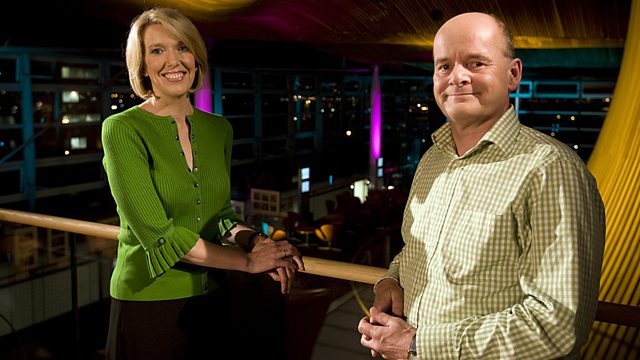
More shortly. Joining me this evening, Nick Bennett, | 0:00:59 | 0:01:02 | |
the chief executive of Community Homes Wales, columnist | 0:01:02 | 0:01:06 | |
and broadcaster Angharad Mair, and former Plaid Cymru AM Dr Dai Lloyd. | 0:01:06 | 0:01:11 | |
Thank you for your company. | 0:01:11 | 0:01:14 | |
Well, with a key vote approaching in the Assembly, | 0:01:14 | 0:01:16 | |
the Archbishop of Wales has attacked Government plans to introduce | 0:01:16 | 0:01:22 | |
a system of presumed consent for organ donation. | 0:01:22 | 0:01:26 | |
According to Dr Barry Morgan, there is confusion over how such | 0:01:26 | 0:01:30 | |
a system would work and the Labour chair of the Health Committee has | 0:01:30 | 0:01:34 | |
told CF99 that the Health Minister needs to explain the situation. | 0:01:34 | 0:01:39 | |
Aled ap Dafydd reports. | 0:01:39 | 0:01:41 | |
Behind the spring sunshine at the cathedral, | 0:01:50 | 0:01:54 | |
a black cloud is gathering. Dangerous and confusing, | 0:01:54 | 0:01:58 | |
a selection of the adjectives used by Wales' most prominent cleric, | 0:01:58 | 0:02:03 | |
in describing the Welsh Government's iconic legislation. | 0:02:03 | 0:02:06 | |
I think that this legislation is dangerous. | 0:02:11 | 0:02:16 | |
I am 100% in favour of organ donation, | 0:02:16 | 0:02:19 | |
but it should be voluntary. | 0:02:19 | 0:02:22 | |
And people should opt into it rather than opt out. | 0:02:22 | 0:02:27 | |
I don't think it's right that the Government tells people that | 0:02:27 | 0:02:31 | |
unless you decide to opt out, we have the right to take your organs. | 0:02:31 | 0:02:34 | |
That is a step too far, I believe. | 0:02:34 | 0:02:37 | |
On average, three people die every month in Wales whilst | 0:02:37 | 0:02:41 | |
waiting for a transplant. | 0:02:41 | 0:02:44 | |
Assembly Members will vote on the principle of opting out next | 0:02:44 | 0:02:48 | |
month, the first step before the final approval of the legislation. | 0:02:48 | 0:02:52 | |
But the matter has already caused splits within | 0:02:52 | 0:02:56 | |
the Assembly Health Committee. | 0:02:56 | 0:02:59 | |
Some oppose the general principle. | 0:02:59 | 0:03:02 | |
Others say there is a lack of clarity regarding | 0:03:02 | 0:03:05 | |
the role of the family. Will they have a veto? | 0:03:05 | 0:03:08 | |
What about a system that allows input, | 0:03:08 | 0:03:12 | |
depending on how close their relationship with the patient is? | 0:03:12 | 0:03:15 | |
The family will provide information rather than make a decision, | 0:03:15 | 0:03:19 | |
according to the Welsh Government. | 0:03:19 | 0:03:21 | |
What we think as a committee is that the most important | 0:03:21 | 0:03:26 | |
point for the Government is to be clear and consistent, | 0:03:26 | 0:03:31 | |
regarding the role of the family in the new system. | 0:03:31 | 0:03:35 | |
And also, to try and be sure that what is on the face | 0:03:35 | 0:03:42 | |
of the legislation reflects what is happening in reality. | 0:03:42 | 0:03:48 | |
In an uncertain world, one thing is certain - death. | 0:03:48 | 0:03:52 | |
The opinion here is that the Government has crossed | 0:03:52 | 0:03:57 | |
an ethical line and made a mess of things at the same time. | 0:03:57 | 0:04:01 | |
The sticking point is the final say. | 0:04:01 | 0:04:04 | |
Who has it - the deceased or the family? | 0:04:04 | 0:04:08 | |
The Health Minister has recently said that they need to | 0:04:08 | 0:04:12 | |
look at that once again | 0:04:12 | 0:04:14 | |
and maybe give some sort of a basis to evidence from family members. | 0:04:14 | 0:04:19 | |
Finding out their opinion rather than | 0:04:19 | 0:04:23 | |
the opinion of the deceased person. | 0:04:23 | 0:04:27 | |
I think that confuses the argument. | 0:04:27 | 0:04:30 | |
And so if they are going to do that, that is the process we have now. | 0:04:30 | 0:04:35 | |
I don't see any purpose in having this legislation. | 0:04:35 | 0:04:38 | |
So what do you think they are aiming for in introducing this legislation? | 0:04:38 | 0:04:42 | |
Well, I don't know. I don't know why. | 0:04:42 | 0:04:45 | |
I think the Labour Party, for example, | 0:04:45 | 0:04:48 | |
have put it in their manifesto and so they are determined, | 0:04:48 | 0:04:51 | |
as they have promised to do this, to go ahead. | 0:04:51 | 0:04:55 | |
And I don't think they have thought about the results. | 0:04:55 | 0:04:58 | |
And once you're in this situation, | 0:04:58 | 0:05:00 | |
you just go ahead despite the evidence against. | 0:05:00 | 0:05:04 | |
That is not the opinion at the Kidney Wales Foundation, | 0:05:04 | 0:05:08 | |
as they prepare for one of their main fundraising events of the year. | 0:05:08 | 0:05:12 | |
They say the archbishop is free to have an opinion, but... | 0:05:12 | 0:05:16 | |
It's not right because this law will save us | 0:05:16 | 0:05:20 | |
from the cruelty of waiting for organs. | 0:05:20 | 0:05:26 | |
And that is difficult for families right across Wales | 0:05:26 | 0:05:29 | |
and the rest of the world, of course. | 0:05:29 | 0:05:32 | |
And I see it as odd that he is against it. | 0:05:32 | 0:05:35 | |
The archbishop, the charity and the politicians agree on one thing - | 0:05:35 | 0:05:39 | |
the need for more donors. | 0:05:39 | 0:05:42 | |
But deciding on a way to achieve that is proving difficult. | 0:05:42 | 0:05:46 | |
And no-one has yet had the final say. | 0:05:46 | 0:05:49 | |
Aled ap Dafydd. Dai Lloyd, when you were here, | 0:05:51 | 0:05:54 | |
I think you were the first AM to try and bring forward such a measure. | 0:05:54 | 0:05:59 | |
What is the evidence that this would lead to more organ donations? | 0:06:02 | 0:06:07 | |
We have figures from 22 other countries who have this system. | 0:06:07 | 0:06:13 | |
There are more organs available, | 0:06:13 | 0:06:18 | |
that is why we have brought this forward. | 0:06:18 | 0:06:23 | |
That is why we need this legislation. | 0:06:23 | 0:06:25 | |
About one person in Wales dies every week | 0:06:25 | 0:06:30 | |
waiting for an organ transplant. | 0:06:31 | 0:06:35 | |
Everyone wants to hassle the Health Minister asking about resources. | 0:06:35 | 0:06:40 | |
This is one waiting-list we could all help out with. | 0:06:40 | 0:06:46 | |
One of the deficiencies is that the lack of organs | 0:06:46 | 0:06:50 | |
and we can all do something about that. | 0:06:50 | 0:06:54 | |
Some would say, if you increase the number of organs | 0:06:54 | 0:06:59 | |
available on the waiting list, do we have the specialist doctors | 0:06:59 | 0:07:03 | |
and surgeons to be able to carry out the operations? | 0:07:03 | 0:07:06 | |
Yes, because at the moment a third of the transplants | 0:07:06 | 0:07:10 | |
are being done on people who are still alive. | 0:07:10 | 0:07:15 | |
We do not have enough organs available from those who have died. | 0:07:15 | 0:07:19 | |
Voluntary transplants that take place in Cardiff this year | 0:07:19 | 0:07:23 | |
have organs which have come up from people who are still alive | 0:07:23 | 0:07:27 | |
The capacity is there because we use it with people who are alive. | 0:07:27 | 0:07:31 | |
There aren't enough organs being donated from the deceased. | 0:07:31 | 0:07:35 | |
We will follow the question about consent from the family's shortly. | 0:07:35 | 0:07:39 | |
But first, we will look at the moral issue. | 0:07:39 | 0:07:43 | |
The fact that the body is being somehow nationalised. | 0:07:43 | 0:07:48 | |
-Is this worrying for you? -Not really. | 0:07:50 | 0:07:52 | |
After hearing Dr Barry Morgan, we would say that the soul | 0:07:52 | 0:07:59 | |
is the most important thing and the body is just the instrument of that. | 0:07:59 | 0:08:04 | |
When you think about 36 people dying waiting for a transplant every year, | 0:08:04 | 0:08:10 | |
it is like a bus accident or something like that. | 0:08:10 | 0:08:15 | |
Any moral dilemma for you, Angharad? | 0:08:20 | 0:08:23 | |
Of all the articles I wrote for Golwg, his is one I avoided. | 0:08:23 | 0:08:28 | |
Of course, I think that this bill should go on to become law. | 0:08:28 | 0:08:34 | |
I have a lot of respect for Dr Barry Morgan, | 0:08:35 | 0:08:40 | |
and there is something sinister | 0:08:40 | 0:08:42 | |
about the way the state owns the body. | 0:08:42 | 0:08:46 | |
But, I also believe this is a bill | 0:08:46 | 0:08:49 | |
has had a lot of attention in the press. | 0:08:49 | 0:08:54 | |
It's had a great deal of attention in the English press. | 0:08:54 | 0:08:58 | |
Wouldn't it be nice if the Assembly could pass a law | 0:08:58 | 0:09:04 | |
that would get attention and be admired by people | 0:09:04 | 0:09:09 | |
who are very supportive of this measure. | 0:09:09 | 0:09:14 | |
We need to have the backbone to pass important legislation like this. | 0:09:14 | 0:09:22 | |
Time for the difficult question about the role of the family. | 0:09:22 | 0:09:27 | |
How does it work at the moment? The family still has a role today. | 0:09:27 | 0:09:34 | |
There isn't a card anymore, everything is kept on a computer. | 0:09:34 | 0:09:40 | |
Talks are held with the family. | 0:09:40 | 0:09:45 | |
There is no sense that the state will have control. | 0:09:45 | 0:09:49 | |
Who is the state? We are the state. | 0:09:49 | 0:09:55 | |
We have a system at the moment where you register for organ donation. | 0:09:55 | 0:10:02 | |
But a minority of the population does so. | 0:10:02 | 0:10:06 | |
Most people agree with the idea of organ donation, | 0:10:10 | 0:10:15 | |
but a minority only registers for it. | 0:10:15 | 0:10:18 | |
If you really do not want to take part, then you can opt out. | 0:10:18 | 0:10:23 | |
You are not being forced to take part. | 0:10:23 | 0:10:29 | |
What if someone has not opted out but they had told their wife, | 0:10:29 | 0:10:35 | |
for example, they intend to opt out, | 0:10:35 | 0:10:39 | |
but perhaps they had a heart attack just after saying that. | 0:10:39 | 0:10:46 | |
Does the wife then have a voice? | 0:10:46 | 0:10:48 | |
We have been dealing with a situation like this | 0:10:48 | 0:10:53 | |
for a number of years. | 0:10:53 | 0:10:56 | |
The structure is in place to make sure mistakes do not take place. | 0:10:56 | 0:11:01 | |
The situation is very sensitive. | 0:11:01 | 0:11:04 | |
We have sensitive talks with individuals and families | 0:11:04 | 0:11:08 | |
and we reach a decision from this. | 0:11:08 | 0:11:10 | |
If anyone is unhappy, it won't happen. | 0:11:10 | 0:11:15 | |
That is what will happen in future. | 0:11:15 | 0:11:17 | |
If anyone is unhappy, it won't happen. | 0:11:17 | 0:11:19 | |
Dai says that but he's a doctor. | 0:11:19 | 0:11:21 | |
In Mid-Staffordshire, targets were set | 0:11:21 | 0:11:25 | |
and all kinds of mistakes were being made. | 0:11:25 | 0:11:28 | |
Can we trust doctors who may want to do the best, | 0:11:28 | 0:11:33 | |
but sometimes make mistakes? | 0:11:33 | 0:11:36 | |
This is a bill to save lives. | 0:11:36 | 0:11:38 | |
Dai Lloyd spoke of other countries | 0:11:38 | 0:11:41 | |
and we have seen the situation in Belgium improved. | 0:11:41 | 0:11:45 | |
I do not think it is causing any problems the civil society. | 0:11:45 | 0:11:52 | |
In the end, we are saving lives. | 0:11:52 | 0:11:56 | |
It is possible for individuals to opt in. | 0:11:56 | 0:12:01 | |
After we pass this bill, they can opt out, what's the problem? | 0:12:01 | 0:12:04 | |
How detailed should this become? | 0:12:04 | 0:12:08 | |
There is a feeling people may be willing to give some organs | 0:12:09 | 0:12:15 | |
but not others. | 0:12:15 | 0:12:18 | |
Some people wouldn't want to give their eyes, hands or skin. | 0:12:18 | 0:12:24 | |
Myself, I would be happy for anyone to take anything | 0:12:24 | 0:12:29 | |
if it saved someone's life. | 0:12:29 | 0:12:34 | |
One could think that should come from this | 0:12:34 | 0:12:39 | |
is that people should be able to discuss it. | 0:12:39 | 0:12:43 | |
It would make it much easier for doctors | 0:12:43 | 0:12:48 | |
and families then, when they lose someone close. | 0:12:48 | 0:12:53 | |
It is going to be a deep discussion | 0:12:53 | 0:12:57 | |
but it is important to have it in order to get it through. | 0:12:57 | 0:13:04 | |
If those demands are respected, | 0:13:04 | 0:13:07 | |
how reasonable is it that those wishes are respected? | 0:13:07 | 0:13:13 | |
How detailed should these demands be? | 0:13:13 | 0:13:17 | |
That is what we do at the moment. | 0:13:17 | 0:13:21 | |
You can tick different boxes when you register now for organ donation. | 0:13:21 | 0:13:28 | |
It is much easier for the doctor to have a sensitive discussion | 0:13:28 | 0:13:35 | |
with the family at their terrible time for the family's. | 0:13:35 | 0:13:41 | |
In countries like Spain and Belgium, | 0:13:41 | 0:13:44 | |
people realise this is the established will of the people. | 0:13:44 | 0:13:48 | |
Only around 15% of families turned down this when the situation arises. | 0:13:56 | 0:14:02 | |
In this country now, if you ask families about organ donation | 0:14:02 | 0:14:09 | |
at a terrible time for them, you can appear cold-hearted. | 0:14:10 | 0:14:18 | |
Under such circumstances, 40% of families refuse. | 0:14:20 | 0:14:26 | |
-This is why we have to change the law. -Thank you. | 0:14:26 | 0:14:29 | |
Last week, the Presiding Officer, Rosemary Butler, | 0:14:29 | 0:14:34 | |
explained why she thought the number of Assembly Members | 0:14:34 | 0:14:38 | |
needed to be increased from 60 to 80. | 0:14:38 | 0:14:41 | |
It's possible that the British Government | 0:14:41 | 0:14:44 | |
will lift the ban on standing in both a constituency | 0:14:44 | 0:14:48 | |
and on the regional list in the Assembly elections. | 0:14:48 | 0:14:51 | |
We asked political commentator, Gareth Hughes, | 0:14:51 | 0:14:54 | |
who can often be found loitering in the corridors, | 0:14:54 | 0:14:58 | |
to assess how such changes could affect the Assembly's work | 0:14:58 | 0:15:02 | |
and the standard of its members. | 0:15:02 | 0:15:04 | |
I have been in this place since it opened. | 0:15:18 | 0:15:21 | |
I have seen people come in and go out. | 0:15:21 | 0:15:24 | |
Since it was first established, there was a lot of excitement. | 0:15:24 | 0:15:29 | |
Standards have gone up and down. | 0:15:29 | 0:15:32 | |
When it started, the standard was very high, | 0:15:36 | 0:15:39 | |
then it seemed to drop a little bit. | 0:15:39 | 0:15:42 | |
It seems things are starting to improve again. | 0:15:42 | 0:15:46 | |
In the first Assembly, candidates could stand in constituencies | 0:15:53 | 0:15:57 | |
and on regional lists. | 0:15:57 | 0:16:00 | |
That soon changed, why? | 0:16:00 | 0:16:03 | |
Labour was not happy with this, so they decided to scrap the system. | 0:16:03 | 0:16:10 | |
But the system is back on the agenda now, | 0:16:10 | 0:16:14 | |
because the Westminster Government wants to change this. | 0:16:14 | 0:16:18 | |
Last time, the Conservatives did very well in constituencies, | 0:16:18 | 0:16:23 | |
but they lost their leader, who was on a regional list. | 0:16:23 | 0:16:30 | |
They want to change the system, | 0:16:30 | 0:16:33 | |
so they can take things back to how they were. | 0:16:33 | 0:16:37 | |
But the most important thing for the people here is work. | 0:16:41 | 0:16:46 | |
But they believed they worked too hard. | 0:16:46 | 0:16:48 | |
Now they have the power to legislate. | 0:16:48 | 0:16:53 | |
The Presiding Officer has said they need 80 members. | 0:16:53 | 0:17:00 | |
They say they need to increase the number of Assembly Members. | 0:17:00 | 0:17:04 | |
There will be an increase but we won't know how much. | 0:17:04 | 0:17:08 | |
There are 60 members now, and they would like to see 80. | 0:17:08 | 0:17:12 | |
Everyone is quiet here. They followed the party line. | 0:17:18 | 0:17:22 | |
More people might shake things up a little bit. | 0:17:22 | 0:17:25 | |
Change is in the air, the Silk Commission is looking at this place | 0:17:30 | 0:17:35 | |
and perhaps it could bring more powers. | 0:17:35 | 0:17:38 | |
That would raise the question as to whether there are enough members. | 0:17:38 | 0:17:43 | |
On what about the standard of these members? | 0:17:44 | 0:17:49 | |
After five years, this place will be completely different. | 0:17:49 | 0:17:55 | |
I am sure he will be here to see it as well. | 0:18:02 | 0:18:06 | |
You were part of the convention that went around the country | 0:18:06 | 0:18:11 | |
and that led to the increase in powers here? | 0:18:11 | 0:18:16 | |
Are 60 members enough? Was 60 enough in the first place? | 0:18:16 | 0:18:21 | |
I would be in favour of having 80 members. | 0:18:21 | 0:18:25 | |
When you compare this with the Scottish Parliament | 0:18:25 | 0:18:30 | |
and in Northern Ireland, they have more than 100 members. | 0:18:30 | 0:18:35 | |
There's one member in Northern Ireland for every 16,000 people. | 0:18:35 | 0:18:41 | |
But it will be harder to sell that with the economy as it is. | 0:18:41 | 0:18:47 | |
There is also a drop in the number of MPs. | 0:18:47 | 0:18:52 | |
But, at the moment you also have the debate about local Government. | 0:18:52 | 0:18:59 | |
I was going to bring that up. | 0:18:59 | 0:19:02 | |
One of my favourite facts is that we have more councillors in Wales | 0:19:02 | 0:19:07 | |
than they have in Scotland. | 0:19:07 | 0:19:09 | |
That means we have too many people at one level and not enough at another. | 0:19:09 | 0:19:14 | |
I would agree with that. | 0:19:14 | 0:19:18 | |
I would like to reduce the number of MPs as well. | 0:19:18 | 0:19:22 | |
This is not just about the number of councillors. | 0:19:22 | 0:19:26 | |
We have to think about the efficiency. | 0:19:26 | 0:19:31 | |
There was a case in Caerphilly Council this week. | 0:19:31 | 0:19:35 | |
There is a case to save a lot of money | 0:19:35 | 0:19:39 | |
with local Government reorganisation. | 0:19:39 | 0:19:43 | |
We won't chase after that there now, | 0:19:43 | 0:19:46 | |
but we will look at the question of standards. | 0:19:46 | 0:19:50 | |
With only 60 members, shirkers cannot hide? | 0:19:50 | 0:19:55 | |
But there are enough that can go on screen | 0:19:55 | 0:20:00 | |
and it can appear to be painful at times. | 0:20:00 | 0:20:07 | |
I have to admit having watched coverage from the assembly, | 0:20:07 | 0:20:11 | |
two members embarrass me because they did not have enough knowledge | 0:20:11 | 0:20:16 | |
about the subjects they were talking about. | 0:20:16 | 0:20:19 | |
They were two female members from Labour, | 0:20:19 | 0:20:21 | |
and I could not believe they had been elected to represent people. | 0:20:21 | 0:20:28 | |
I won't name them because I don't remember their names. | 0:20:31 | 0:20:36 | |
Sometimes, that does happen. | 0:20:36 | 0:20:42 | |
Yes, but when you only have 60 people, | 0:20:44 | 0:20:47 | |
choosing weak people weakens the whole institution. | 0:20:47 | 0:20:53 | |
Labour quite spiteful in changing the rules | 0:20:57 | 0:21:01 | |
ensured this place became weaker. | 0:21:01 | 0:21:04 | |
I think that decision has now come back to haunt them. | 0:21:04 | 0:21:08 | |
You need trust between this place and the people of Wales, | 0:21:08 | 0:21:15 | |
and I do not think that is in place at the moment. | 0:21:15 | 0:21:21 | |
There is a sense among the people this place is too weak. | 0:21:21 | 0:21:24 | |
No-one from Labour is here. | 0:21:24 | 0:21:27 | |
The argument that was used to change the rule | 0:21:27 | 0:21:31 | |
was about Dyffryn Clwyd in North Wales. | 0:21:31 | 0:21:36 | |
Four candidates in one constituency. The Labour candidate won. | 0:21:36 | 0:21:42 | |
The three unsuccessful candidates came here on the regional list. | 0:21:42 | 0:21:47 | |
They had lost the election but they still got through. | 0:21:47 | 0:21:52 | |
That is quite an extreme example. | 0:21:52 | 0:21:55 | |
Usually, there are two elections on the same day. | 0:21:55 | 0:22:00 | |
You vote for constituencies and regional lists on the same day. | 0:22:00 | 0:22:07 | |
Many people vote in a different way. | 0:22:07 | 0:22:09 | |
Perhaps they vote for Labour locally, | 0:22:09 | 0:22:12 | |
but then vote for Plaid Cymru on the regional list. | 0:22:12 | 0:22:16 | |
It would suit Labour to put that argument across. | 0:22:16 | 0:22:23 | |
You have two different elections taking place with different results. | 0:22:23 | 0:22:30 | |
Labour has always been prejudiced against regional list members. | 0:22:30 | 0:22:36 | |
It is a waste to vote for Labour in South Wales on the regional list, | 0:22:36 | 0:22:41 | |
because they pick up all the constituency seats. | 0:22:41 | 0:22:45 | |
They insist on having people voting for them. | 0:22:45 | 0:22:49 | |
It doesn't make sense at all. | 0:22:49 | 0:22:52 | |
Do we need to look at the system and consider different voting methods? | 0:22:52 | 0:22:58 | |
Should we look at the national list rather than a regional one? | 0:22:58 | 0:23:05 | |
This place does not truly represent the voting percentages. | 0:23:05 | 0:23:11 | |
Labour has an advantage. | 0:23:11 | 0:23:13 | |
Perhaps a whole Wales regional list would be more representative. | 0:23:13 | 0:23:19 | |
It is also very difficult for the smaller parties in this election. | 0:23:19 | 0:23:24 | |
It's harder for them to have 60 members every time. | 0:23:24 | 0:23:28 | |
Nick Bourne, Glyn Davies, Helen Mary, Nerys Evans. | 0:23:28 | 0:23:35 | |
We have had a number of good candidates being lost | 0:23:35 | 0:23:39 | |
because of this change to the system. | 0:23:39 | 0:23:41 | |
We also need strong opposition parties as well as the government. | 0:23:41 | 0:23:47 | |
Thanks very much to all three of you. That's it for another week. | 0:23:47 | 0:23:52 | |
We shall be back at 9.30pm next Wednesday. Join us then. | 0:23:52 | 0:23:56 | |
But for now, good evening. | 0:23:56 | 0:24:00 |