Pennod 2 DNA Cymru
Similar Content
Browse content similar to Pennod 2. Check below for episodes and series from the same categories and more!
Transcript
| Line | From | To | |
|---|---|---|---|
-Subtitles | 0:00:00 | 0:00:00 | |
-Subtitles - -Subtitles | 0:00:00 | 0:00:02 | |
-Yr Eifl in Llyn. | 0:00:07 | 0:00:10 | |
-2,000 years ago... | 0:00:13 | 0:00:15 | |
-..people lived here... | 0:00:16 | 0:00:18 | |
-..in a hill fort. | 0:00:19 | 0:00:21 | |
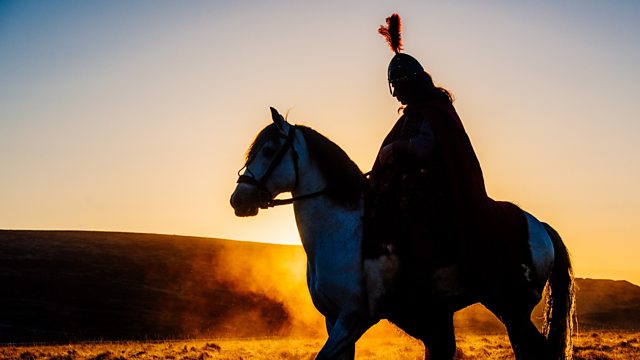
-The hill fort was the home of -the Welsh before the Romans arrived. | 0:00:22 | 0:00:26 | |
-The home of our ancestors -and our nation's forefathers. | 0:00:27 | 0:00:31 | |
-There were more than -1,000 hill forts in Wales. | 0:00:32 | 0:00:35 | |
-Wales today -wouldn't have existed without them. | 0:00:35 | 0:00:39 | |
-But without written records... | 0:00:39 | 0:00:42 | |
-..how much do we really know -about these people? | 0:00:43 | 0:00:46 | |
-How did they come to live here? | 0:00:46 | 0:00:49 | |
-Who were their ancestors? | 0:00:49 | 0:00:51 | |
-There's a new way -of trying to answer those questions. | 0:00:54 | 0:00:58 | |
-And its name is DNA. | 0:00:58 | 0:01:02 | |
-DNA Cymru. | 0:01:02 | 0:01:04 | |
-Cardiff, -Europe's youngest capital city. | 0:01:13 | 0:01:16 | |
-On the outskirts of the city is one -of the biggest housing estates... | 0:01:17 | 0:01:21 | |
-..to be built -after the Second World War. | 0:01:22 | 0:01:25 | |
-Trelai. Ely. My birthplace. | 0:01:26 | 0:01:28 | |
-On the other side of Cowbridge Road, -Caerau, my old stomping ground. | 0:01:29 | 0:01:34 | |
-This is where I went -to primary school. | 0:01:34 | 0:01:37 | |
-It was an -English-medium school back then... | 0:01:37 | 0:01:40 | |
-..but now it's a Welsh school. | 0:01:41 | 0:01:43 | |
-Yes, the place has changed somewhat -but it was always exciting. | 0:01:43 | 0:01:48 | |
-As a child, -it was the centre of the world. | 0:01:48 | 0:01:51 | |
-I had an undoubtedly -modern upbringing in a modern city. | 0:01:51 | 0:01:57 | |
-But in Wales, -the past is never far away. | 0:01:57 | 0:02:01 | |
-Above the houses -are the ruins of another community. | 0:02:01 | 0:02:05 | |
-A community not everyone -knows about, but in its heyday... | 0:02:05 | 0:02:09 | |
-..it was one of -the biggest communities in Wales. | 0:02:10 | 0:02:13 | |
-It would've dominated the landscape. | 0:02:15 | 0:02:18 | |
-The perfect vantage point from -which to keep an eye on the world. | 0:02:18 | 0:02:22 | |
-Standing here and surveying the view -is quite a thrill for an Ely boy. | 0:02:23 | 0:02:29 | |
-Nowadays, only its ruins remain... | 0:02:30 | 0:02:32 | |
-..but the memory of its history -is encapsulated in its name. | 0:02:33 | 0:02:37 | |
-Caerau (Forts). | 0:02:37 | 0:02:39 | |
-Forts from the Iron Age. | 0:02:39 | 0:02:42 | |
-This is -what has attracted archaeologists. | 0:02:42 | 0:02:45 | |
-The people of this hill fort -were sophisticated... | 0:02:48 | 0:02:51 | |
-..though -they didn't record their history. | 0:02:51 | 0:02:54 | |
-Who were they -and who were their ancestors? | 0:02:57 | 0:03:00 | |
-To retrieve the answers, -we must rely on proof... | 0:03:02 | 0:03:05 | |
-..that wasn't documented -at the time. | 0:03:05 | 0:03:08 | |
-Caerau and its name -is an example of that proof. | 0:03:10 | 0:03:13 | |
-Linguistic proof that has -survived in the Welsh language. | 0:03:13 | 0:03:18 | |
-The archaeologists' work -is another important example. | 0:03:19 | 0:03:23 | |
-But as we endeavour to learn more -about our country's natives... | 0:03:25 | 0:03:29 | |
-..a new tool is becoming -even more important every day. | 0:03:29 | 0:03:33 | |
-That tool is DNA. | 0:03:33 | 0:03:36 | |
-DNA was the basis -of our first programme. | 0:03:38 | 0:03:41 | |
-Who are the Welsh? | 0:03:42 | 0:03:44 | |
-It's a simple question -with a complicated answer. | 0:03:44 | 0:03:47 | |
-To discover the truth... | 0:03:48 | 0:03:50 | |
-..we had to venture -far beyond Wales. | 0:03:50 | 0:03:53 | |
-The truth is, -we all belong to the same family. | 0:03:54 | 0:03:57 | |
-An African family. | 0:03:57 | 0:03:59 | |
-We had to trace the family's -heroic journey to Europe. | 0:04:02 | 0:04:06 | |
-Throughout the centuries -and the millennia. | 0:04:08 | 0:04:12 | |
-Among the Iron Age people -of the Pyrenees... | 0:04:12 | 0:04:15 | |
-..were the -great-great-great-grandmothers... | 0:04:15 | 0:04:18 | |
-..of the modern Welsh female. | 0:04:19 | 0:04:21 | |
-The project is ambitious. | 0:04:21 | 0:04:22 | |
-The project is ambitious. - -From the north to the south. | 0:04:22 | 0:04:24 | |
-From the Ice Age to the iPhone age. | 0:04:25 | 0:04:28 | |
-Revealing the DNA results -of some of the nation's greats. | 0:04:28 | 0:04:33 | |
-Mr Gareth Edwards, -there's no mention of New Zealand. | 0:04:33 | 0:04:37 | |
-Thank goodness for that. | 0:04:37 | 0:04:39 | |
-And sparking an interest -in people's genealogy. | 0:04:39 | 0:04:43 | |
-I'm a Celt at heart. | 0:04:43 | 0:04:45 | |
-I'm a Celt at heart. - -A Celt, I'd say. | 0:04:45 | 0:04:47 | |
-But it was a project -which spawned something else too. | 0:04:48 | 0:04:52 | |
-A fierce argument -from various directions. | 0:04:52 | 0:04:56 | |
-Doubts about the programme -on the nation's DNA | 0:04:56 | 0:04:59 | |
-UTTER NONSENSE! | 0:04:59 | 0:05:00 | |
-To those familiar with -the technique of phylogeography... | 0:05:01 | 0:05:04 | |
-..it's a common argument. | 0:05:04 | 0:05:06 | |
-To people like me who have used -phylogeography for 25 years or so... | 0:05:06 | 0:05:11 | |
-..it's a bit like -dealing with Creationists. | 0:05:11 | 0:05:15 | |
-The foundations -of phylogeography are solid... | 0:05:16 | 0:05:19 | |
-..according to -DNA Cymru's principal scientist. | 0:05:19 | 0:05:23 | |
-It's part of his daily work -at Edinburgh University. | 0:05:23 | 0:05:27 | |
-This is a very routine method -that has been used widely... | 0:05:27 | 0:05:31 | |
-..to understand past population -movements of humans. | 0:05:31 | 0:05:34 | |
-Phylogeography -was the underpinning... | 0:05:34 | 0:05:37 | |
-..of the out-of-Africa -theory of human origins. | 0:05:37 | 0:05:40 | |
-It's a project between S4C, -the Trinity Mirror group... | 0:05:42 | 0:05:46 | |
-..publishers of the Western Mail -and the Daily Post... | 0:05:47 | 0:05:50 | |
-..and Scotland's DNA -that is conducting the tests. | 0:05:51 | 0:05:54 | |
-Spit is the basis of the tests. | 0:05:56 | 0:05:58 | |
-My sample's ready. | 0:05:58 | 0:06:01 | |
-In this laboratory, together -with everyone's else's samples... | 0:06:01 | 0:06:06 | |
-..the DNA will go through a process -to look for special patterns... | 0:06:06 | 0:06:10 | |
-..in our genetic code. | 0:06:11 | 0:06:13 | |
-It's the biggest study -of Welsh people's DNA. | 0:06:13 | 0:06:15 | |
-We can form a detailed picture -of Wales's current population. | 0:06:16 | 0:06:20 | |
-But it's our belief... | 0:06:21 | 0:06:23 | |
-..that the tests can also go deeper -into our ancient history... | 0:06:23 | 0:06:27 | |
-..to reveal brand new stories. | 0:06:27 | 0:06:30 | |
-It's a way of looking into the past -when we look into Welsh DNA. | 0:06:30 | 0:06:34 | |
-We're peeling back these layers. | 0:06:34 | 0:06:37 | |
-We can try to understand -what went on in prehistory... | 0:06:40 | 0:06:44 | |
-..the people in the Bronze Age -and the so-called metal ages. | 0:06:44 | 0:06:48 | |
-What the contribution -of the farming peoples were... | 0:06:48 | 0:06:52 | |
-..the peoples -who were before farming. | 0:06:52 | 0:06:54 | |
-We can try to tease apart these -components in the British gene pool. | 0:06:55 | 0:07:00 | |
-But not everyone agrees. | 0:07:04 | 0:07:06 | |
-A team -of very influential scientists... | 0:07:06 | 0:07:10 | |
-..is trying -to dismiss our interpretation. | 0:07:10 | 0:07:13 | |
-They say it's no more scientific -than creating a story. | 0:07:16 | 0:07:21 | |
-But for Professor Martin Richards... | 0:07:21 | 0:07:24 | |
-..author of dozens -of academic science papers... | 0:07:25 | 0:07:28 | |
-.."story" -isn't a word that deters him. | 0:07:28 | 0:07:31 | |
-I regard that as an endorsement. | 0:07:32 | 0:07:34 | |
-All good science is storytelling... | 0:07:34 | 0:07:36 | |
-..and storytelling is the most -interesting form of discourse... | 0:07:37 | 0:07:41 | |
-..so long as, in a scientific case, -we tell true stories. | 0:07:41 | 0:07:45 | |
-Without a time machine we can't know -exactly what happened in the past. | 0:07:45 | 0:07:49 | |
-But that applies -to all historical sciences... | 0:07:49 | 0:07:53 | |
-..not just to genetics. | 0:07:53 | 0:07:55 | |
-We must use the present -to learn about the past. | 0:07:55 | 0:07:58 | |
-Some dispute the tests' worth -to the individual. | 0:07:58 | 0:08:02 | |
-Some claim we're putting -people's Welshness to the test... | 0:08:02 | 0:08:07 | |
-..and that the project is endorsing -extreme nationalism and racism. | 0:08:08 | 0:08:13 | |
-Debate is healthy... | 0:08:13 | 0:08:15 | |
-..but hopefully anyone -who's watched the programme... | 0:08:15 | 0:08:19 | |
-..can clearly see that it's -not our intention to be racist. | 0:08:19 | 0:08:24 | |
-Everyone is welcome to join us. | 0:08:24 | 0:08:26 | |
-The tests are available to everyone, -irrespective of your background... | 0:08:26 | 0:08:31 | |
-..or how recently -you've moved to Wales. | 0:08:31 | 0:08:34 | |
-Wow, that's just incredible. | 0:08:34 | 0:08:38 | |
-The test's worth to the individual -is a personal matter. | 0:08:38 | 0:08:42 | |
-That's too much -for my brain to take in. | 0:08:42 | 0:08:44 | |
-We'll return to that -later in the programme. | 0:08:44 | 0:08:47 | |
-DNA Cymru's focus is to learn more -about the nation's history... | 0:08:48 | 0:08:52 | |
-..and early results show... | 0:08:53 | 0:08:55 | |
-..that the country's genetic profile -is very typical. | 0:08:55 | 0:08:59 | |
-Since our broadcast back in March... | 0:09:00 | 0:09:03 | |
-..another project -has published striking results... | 0:09:03 | 0:09:08 | |
-..based on a study -of present-day Britons. | 0:09:08 | 0:09:12 | |
-Here at Oxford University, -a pioneering study is under way. | 0:09:12 | 0:09:17 | |
-Who are British people? | 0:09:17 | 0:09:19 | |
-It's an ongoing study -that has taken 12 years. | 0:09:19 | 0:09:22 | |
-By now, they've mapped the influx -to the British Isles... | 0:09:23 | 0:09:27 | |
-..from the end of the Ice Age. | 0:09:27 | 0:09:29 | |
-They've also shown that -the difference between Britons... | 0:09:29 | 0:09:33 | |
-..is very interesting. | 0:09:33 | 0:09:35 | |
-But for us in Wales, it's -shed new light on our history. | 0:09:35 | 0:09:41 | |
-So, first of all, Sir Walter... | 0:09:41 | 0:09:43 | |
-..tell us about the project -and how you got involved. | 0:09:44 | 0:09:47 | |
-It started -with a Welsh connection. | 0:09:47 | 0:09:50 | |
-I was asked to give a key lecture -for the British Academy... | 0:09:50 | 0:09:54 | |
-..where they have people who know -something about Celtic origins. | 0:09:54 | 0:09:59 | |
-I lectured -on the genetics of the Celts. | 0:09:59 | 0:10:01 | |
-What we're looking at is the people, -the ordinary person on the land... | 0:10:02 | 0:10:07 | |
-..and not the nobleman, -not the lords, not the warriors. | 0:10:07 | 0:10:12 | |
-What genetics does is give you -a picture of people as a whole. | 0:10:12 | 0:10:16 | |
-People of the British Isles, POBI. | 0:10:17 | 0:10:20 | |
-By analysing -the DNA of 2,000 people... | 0:10:20 | 0:10:24 | |
-..POBI has created a map of genetic -clusters that are closely related. | 0:10:24 | 0:10:29 | |
-You could say, -"What's the group of people... | 0:10:29 | 0:10:32 | |
-"..that are most similar -to each other genetically?" | 0:10:33 | 0:10:36 | |
-When we've got those, -what's the next most similar? | 0:10:37 | 0:10:40 | |
-That's what this clustering -that leads to this map is about. | 0:10:40 | 0:10:44 | |
-What about Wales and these clusters? -Have you found something remarkable? | 0:10:44 | 0:10:50 | |
-Wales is an interesting story. | 0:10:50 | 0:10:52 | |
-If you go down the list to -the next most different and so on... | 0:10:52 | 0:10:56 | |
-..Orkney stands out. | 0:10:57 | 0:10:58 | |
-What's striking is the next -biggest different was Wales. | 0:10:59 | 0:11:02 | |
-POBI and DNA Cymru are in agreement. | 0:11:03 | 0:11:06 | |
-The Welsh are the closest inheritors -to the people... | 0:11:06 | 0:11:10 | |
-..who came to the Britain between -the Ice Age and the hill-fort age. | 0:11:10 | 0:11:15 | |
-The two approaches -are complementary. | 0:11:15 | 0:11:18 | |
-POBI has looked across the genome -at the autosomes. | 0:11:18 | 0:11:22 | |
-We focused on the Y chromosome... | 0:11:23 | 0:11:25 | |
-..on our lineage -inherited down the father line. | 0:11:25 | 0:11:28 | |
-By putting the two together, -you get a good overall picture. | 0:11:29 | 0:11:32 | |
-But POBI suggested something else. | 0:11:33 | 0:11:35 | |
-Something -which is no surprise to many of us. | 0:11:35 | 0:11:38 | |
-The genetics of Northwalians -and Southwalians are different too. | 0:11:38 | 0:11:43 | |
-There are more -genetic differences between them... | 0:11:43 | 0:11:47 | |
-..than there are between people -in Kent and northern Scotland. | 0:11:47 | 0:11:51 | |
-POBI's findings about the -inhabitants before the Romans... | 0:11:51 | 0:11:56 | |
-..is quite surprising. | 0:11:56 | 0:11:58 | |
-In the Celtic cultures... | 0:11:58 | 0:12:00 | |
-..of Northern Ireland, Scotland, -Wales and Cornwall... | 0:12:00 | 0:12:04 | |
-..we see genetic groups in each -region but they're different groups. | 0:12:04 | 0:12:10 | |
-Although there are -similarities in culture... | 0:12:10 | 0:12:14 | |
-..genetically they're different. | 0:12:15 | 0:12:17 | |
-The Cornish are more similar -to the English than the Welsh. | 0:12:17 | 0:12:21 | |
-The People of the British Isles -and I differ in the interpretation. | 0:12:21 | 0:12:26 | |
-They were looking to check whether -the Welsh and the Scottish... | 0:12:26 | 0:12:31 | |
-..were more closely related -to one another... | 0:12:31 | 0:12:34 | |
-..than either was to the English, -which is a question. | 0:12:34 | 0:12:38 | |
-But if the English themselves had -a significant Celtic component... | 0:12:38 | 0:12:43 | |
-..which they do, then that question -becomes a bit more muddled. | 0:12:43 | 0:12:48 | |
-POBI believes -that it would've been possible... | 0:12:48 | 0:12:52 | |
-..to differentiate between the DNA -of those in a North Wales fort... | 0:12:52 | 0:12:57 | |
-..and the DNA of the inhabitants of -Caerau in a South Wales hill fort. | 0:12:57 | 0:13:02 | |
-But the genetics of both groups -are very different... | 0:13:02 | 0:13:06 | |
-..from the DNA of people -in Cornwall, Scotland and Ireland. | 0:13:06 | 0:13:10 | |
-The outcome of the research... | 0:13:12 | 0:13:15 | |
-..conducted by POBI... | 0:13:15 | 0:13:17 | |
-..suggests there's no -close connection between the Celts. | 0:13:17 | 0:13:22 | |
-However, DNA Cymru's research -supports the notion... | 0:13:22 | 0:13:26 | |
-..that we're still cousins. | 0:13:26 | 0:13:28 | |
-. | 0:13:31 | 0:13:31 | |
-Subtitles | 0:13:36 | 0:13:36 | |
-Subtitles - -Subtitles | 0:13:36 | 0:13:38 | |
-Wales, 2,000 years ago. | 0:13:40 | 0:13:42 | |
-The tribes of Ancient Britain -lived on the land. | 0:13:46 | 0:13:50 | |
-They farmed, hunted and fished. | 0:13:50 | 0:13:54 | |
-There are no written accounts -of their lives... | 0:13:55 | 0:13:59 | |
-..but their home was the hill fort. | 0:13:59 | 0:14:01 | |
-But who were these people? | 0:14:03 | 0:14:05 | |
-Descendants of the first people who -came to Britain after the Ice Age? | 0:14:06 | 0:14:11 | |
-Or were they great-grandchildren -of the first farmers... | 0:14:15 | 0:14:18 | |
-..who came thousands of years later -to start our farming tradition? | 0:14:19 | 0:14:24 | |
-Or were they the children of those -who came later still... | 0:14:24 | 0:14:29 | |
-..who brought the secrets -of smelting metal with them? | 0:14:29 | 0:14:33 | |
-A new culture, -and one which we refer to as Celtic. | 0:14:33 | 0:14:36 | |
-Our research suggests -that the hill fort's population... | 0:14:38 | 0:14:42 | |
-..was a mix of the three groups. | 0:14:42 | 0:14:44 | |
-The early pioneers, the farmers... | 0:14:44 | 0:14:48 | |
-..and the metal workers. | 0:14:48 | 0:14:51 | |
-Aided by three people -who've taken DNA Cymru's test... | 0:14:51 | 0:14:55 | |
-..namely Ken Owens, -Caryl Parry Jones and Roy Noble... | 0:14:55 | 0:14:58 | |
-..we'll focus on the history - -the history of our nation's roots. | 0:14:59 | 0:15:04 | |
-As you age, these questions arise -and they become more important... | 0:15:04 | 0:15:09 | |
-..and more frequent. | 0:15:09 | 0:15:11 | |
-Who are you? Where do you come from? -Where are you going? | 0:15:11 | 0:15:15 | |
-More than anything, -what's your background? | 0:15:15 | 0:15:18 | |
-There's far more interest nowadays. | 0:15:18 | 0:15:20 | |
-There's far more interest nowadays. - -Throughout the world... | 0:15:20 | 0:15:23 | |
-..more than two million people have -taken tests similar to DNA Cymru's. | 0:15:23 | 0:15:29 | |
-Tests on the DNA -we inherit from our parents. | 0:15:29 | 0:15:33 | |
-As the mother and father -pass on the DNA... | 0:15:35 | 0:15:37 | |
-..98% of it gets mixed up... | 0:15:37 | 0:15:40 | |
-..and re-combined all over again. | 0:15:40 | 0:15:42 | |
-It's hard to tell -who it's come from... | 0:15:42 | 0:15:45 | |
-..looking back over the generations. | 0:15:45 | 0:15:48 | |
-So the main focus -is that small percentage of DNA... | 0:15:48 | 0:15:52 | |
-..which is transferred -without getting mixed up... | 0:15:52 | 0:15:56 | |
-..from father to son, and -to his sons - the Y chromosome DNA. | 0:15:56 | 0:16:01 | |
-Another fragment, -the mitochondrial DNA... | 0:16:03 | 0:16:06 | |
-..which passes unchanged -from mother to children... | 0:16:06 | 0:16:10 | |
-..and from her daughters -to their children. | 0:16:10 | 0:16:12 | |
-Scientists -can identify genetic markers. | 0:16:15 | 0:16:18 | |
-Small changes that have occurred -through the generations. | 0:16:18 | 0:16:22 | |
-A technique -called phylogeography is used... | 0:16:23 | 0:16:27 | |
-..to map its course against -mankind's journey around the world. | 0:16:27 | 0:16:32 | |
-Genetic markers split mankind -into different groups. | 0:16:34 | 0:16:38 | |
-The scientific term for this -is haplogroup. | 0:16:39 | 0:16:42 | |
-But tracing the bloodline -on each side of the family... | 0:16:43 | 0:16:47 | |
-..poses a problem for us. | 0:16:47 | 0:16:50 | |
-By focusing on the mother -of your mother's mother... | 0:16:50 | 0:16:54 | |
-..and father -of your father's father... | 0:16:54 | 0:16:56 | |
-..we ignore many other ancestors. | 0:16:57 | 0:16:59 | |
-As we look back -through the generations... | 0:16:59 | 0:17:02 | |
-..there are -hundreds of thousands of them. | 0:17:02 | 0:17:05 | |
-What are the tests' purpose -and what forms the foundation... | 0:17:05 | 0:17:10 | |
-..for the historical conclusions -of phylogeography? | 0:17:11 | 0:17:15 | |
-The great majority of scientists -believe that phylogeography... | 0:17:15 | 0:17:19 | |
-..is an ordinary method -amongst many... | 0:17:20 | 0:17:22 | |
-..to try to understand our past. | 0:17:23 | 0:17:25 | |
-It's used in plant and animal -genetics, in human genetics... | 0:17:25 | 0:17:30 | |
-..even in virus genetics -to try to understand... | 0:17:30 | 0:17:34 | |
-..where a flu virus has come from. | 0:17:34 | 0:17:36 | |
-No-one can argue... | 0:17:37 | 0:17:38 | |
-..that the distribution of different -genetic lineages across geography... | 0:17:38 | 0:17:43 | |
-..does not contain information -about genetic ancestry. | 0:17:43 | 0:17:47 | |
-Phylogeography -was the underpinning... | 0:17:47 | 0:17:50 | |
-..of the out-of-Africa theory -of modern human origins. | 0:17:51 | 0:17:55 | |
-Long before archaeological evidence -confirmed this... | 0:17:56 | 0:18:00 | |
-..phylogeography -identified a form of family tree... | 0:18:00 | 0:18:04 | |
-..which traced -the mitochondrial DNA... | 0:18:04 | 0:18:07 | |
-..of all women on the planet -back to one mother in Africa... | 0:18:07 | 0:18:11 | |
-..200,000 years ago. | 0:18:11 | 0:18:13 | |
-This isn't the only example. | 0:18:14 | 0:18:16 | |
-The mitochondrial tree... | 0:18:17 | 0:18:18 | |
-..shows the point at which -lineages start branching. | 0:18:19 | 0:18:22 | |
-For example, amongst Native -Americans 15,000 years ago... | 0:18:22 | 0:18:26 | |
-..which fits well -with the archaeological evidence. | 0:18:26 | 0:18:29 | |
-Those lineages -that mostly come out of East Asia. | 0:18:30 | 0:18:33 | |
-Or you can see lineages that start -branching out in to the Pacific... | 0:18:33 | 0:18:37 | |
-..about 3,000 years ago, -which are lineages... | 0:18:37 | 0:18:40 | |
-..that come out of southeast Asia -and the New Guinea region. | 0:18:41 | 0:18:44 | |
-Many examples, not just -the out-of-Africa example... | 0:18:44 | 0:18:48 | |
-..which is supported by evidence. | 0:18:48 | 0:18:50 | |
-For reasons -she doesn't yet understand... | 0:18:54 | 0:18:56 | |
-..I've come to the Severn estuary... | 0:18:57 | 0:18:59 | |
-..for a stroll -with Caryl Parry Jones... | 0:18:59 | 0:19:02 | |
-..to reveal the results -of her ancient DNA. | 0:19:02 | 0:19:05 | |
-We're all aware -of two generations ago... | 0:19:05 | 0:19:08 | |
-..but we know mostly nothing -about our ancestors before that. | 0:19:09 | 0:19:13 | |
-The prospect of tracing prehistory -is hard to imagine, to be honest. | 0:19:13 | 0:19:19 | |
-Well, Caryl, here are the results -of your mitochondrial DNA. | 0:19:19 | 0:19:24 | |
-Your mother's lineage. | 0:19:24 | 0:19:26 | |
-"The U haplogroup was common amongst -the first people in Europe... | 0:19:26 | 0:19:32 | |
-"..after the Ice Age." | 0:19:32 | 0:19:34 | |
-After the Ice Age. | 0:19:34 | 0:19:35 | |
-After the Ice Age. - -Well, well. | 0:19:35 | 0:19:38 | |
-10,000 years ago, people returned -to Wales to hunt as the ice melted. | 0:19:39 | 0:19:45 | |
-But how scientific is linking the -DNA of an individual like Caryl... | 0:19:46 | 0:19:51 | |
-..to the history of ancient hunters? | 0:19:51 | 0:19:54 | |
-Only 1% of Caryl's DNA -is found in the mitochondria. | 0:19:56 | 0:20:00 | |
-But it's passed on to her -through her mother's line... | 0:20:00 | 0:20:04 | |
-..with few changes throughout the -millennia from the Mesolithic Era. | 0:20:04 | 0:20:08 | |
-I've heard critics describe... | 0:20:08 | 0:20:10 | |
-..identifying your Y chromosome -lineage as homeopathy. | 0:20:11 | 0:20:14 | |
-It's simply false. | 0:20:15 | 0:20:17 | |
-It may be only telling you a very -tiny fraction of your ancestry... | 0:20:17 | 0:20:21 | |
-..but it's something -people can fix on to. | 0:20:22 | 0:20:25 | |
-It's nice having -that tiny bit of information... | 0:20:25 | 0:20:29 | |
-..which I never thought -in a million years belonged to me. | 0:20:29 | 0:20:34 | |
-Any link with -any part of a person's history... | 0:20:34 | 0:20:38 | |
-..is worth its weight in gold. | 0:20:38 | 0:20:40 | |
-Life is short... | 0:20:40 | 0:20:43 | |
-..so any information -about where we've come from... | 0:20:43 | 0:20:47 | |
-..is something very precious. | 0:20:47 | 0:20:50 | |
-To bring -the era's history to life... | 0:20:50 | 0:20:53 | |
-..we've arranged for Caryl to visit -a site at the Severn estuary... | 0:20:53 | 0:20:57 | |
-..with Dr Ffion Reynolds -from Cardiff University. | 0:20:58 | 0:21:02 | |
-Goldcliff -is a prime area of significance... | 0:21:02 | 0:21:07 | |
-..from the Mesolithic Era. | 0:21:07 | 0:21:09 | |
-Evidence is in short supply... | 0:21:10 | 0:21:12 | |
-..but one of the things -that's survived from this era... | 0:21:12 | 0:21:16 | |
-..is a collection of footprints. | 0:21:16 | 0:21:19 | |
-This is a child's footprint. | 0:21:20 | 0:21:22 | |
-That's the big toe, -the other toes... | 0:21:23 | 0:21:26 | |
-..and that's the heel. | 0:21:27 | 0:21:28 | |
-A small child's footprint. | 0:21:28 | 0:21:31 | |
-It brings -the Mesolithic Era to life. | 0:21:32 | 0:21:35 | |
-Many footprints -are facing that way... | 0:21:35 | 0:21:40 | |
-..and others are heading -in this direction too... | 0:21:40 | 0:21:43 | |
-..to an area -where they fished with fish traps. | 0:21:44 | 0:21:48 | |
-They collected the fish -from the traps... | 0:21:48 | 0:21:51 | |
-..and headed back this way -to the camp... | 0:21:51 | 0:21:54 | |
-..around 7,500 years ago. | 0:21:54 | 0:21:56 | |
-..around 7,500 years ago. - -Whoa! | 0:21:56 | 0:21:57 | |
-Wow, that's just incredible. | 0:21:58 | 0:22:01 | |
-That's too much -for my brain to take in! | 0:22:02 | 0:22:05 | |
-Just imagine a small child, -barefoot... | 0:22:05 | 0:22:08 | |
-..running back and forth with -Mam and Dad and all his friends. | 0:22:08 | 0:22:12 | |
-Caryl's connection with Mesolithic -women goes way, way back in time. | 0:22:13 | 0:22:17 | |
-But the era's men -have also left their mark... | 0:22:18 | 0:22:21 | |
-..on Wales today. | 0:22:22 | 0:22:24 | |
-One of the oldest lineages -is rather rare. | 0:22:24 | 0:22:27 | |
-It's a lineage called S185. -It's just the marker name. | 0:22:27 | 0:22:31 | |
-It's really rare. -Only 0.2% of Welshmen carry this. | 0:22:31 | 0:22:35 | |
-It's at least 6,000 years old. | 0:22:35 | 0:22:37 | |
-This is before farming -from the Mesolithic Era... | 0:22:37 | 0:22:40 | |
-..a very distant time in the past. | 0:22:40 | 0:22:43 | |
-We still see a few people -who carry these types. | 0:22:43 | 0:22:47 | |
-Caryl's results from her mother's -lineage are far more common. | 0:22:47 | 0:22:51 | |
-We're seeing slightly different -male and female histories... | 0:22:51 | 0:22:55 | |
-..from looking at the Y chromosome -and the mitochondrial DNA. | 0:22:55 | 0:22:59 | |
-They're -interesting genomes to study. | 0:22:59 | 0:23:02 | |
-It speaks to a history of males... | 0:23:02 | 0:23:05 | |
-..that is different -from a history of females. | 0:23:05 | 0:23:08 | |
-Why did people move around? | 0:23:10 | 0:23:13 | |
-What were they searching for? What -was the purpose of their migration? | 0:23:13 | 0:23:17 | |
-People from the Mesolithic Era -were hunter-gatherers. | 0:23:17 | 0:23:21 | |
-The biggest difference... | 0:23:22 | 0:23:23 | |
-..between them and those who -came next, the Neolithic farmers... | 0:23:24 | 0:23:28 | |
-..is that they moved around -and moved seasonally to find food. | 0:23:28 | 0:23:33 | |
-There was an island behind here... | 0:23:33 | 0:23:37 | |
-..and a forest at the top... | 0:23:37 | 0:23:39 | |
-..where people could -hide in the bushes and hunt deer. | 0:23:40 | 0:23:44 | |
-Trees and deer were -relatively new things, were they? | 0:23:45 | 0:23:48 | |
-Yes, because the ice had gone... | 0:23:48 | 0:23:50 | |
-..the temperature was rising... | 0:23:51 | 0:23:53 | |
-..there was lots of vegetation -and lots of new foods. | 0:23:53 | 0:23:57 | |
-I can imagine -all these people on this island... | 0:23:57 | 0:24:01 | |
-..but was there more to life -than eating, hunting... | 0:24:01 | 0:24:05 | |
-..and averting danger? | 0:24:05 | 0:24:07 | |
-I think people in the Mesolithic Era -were very clever. | 0:24:07 | 0:24:11 | |
-They were quite sophisticated. | 0:24:11 | 0:24:15 | |
-They could make tools from flint... | 0:24:15 | 0:24:18 | |
-..which is hard to do nowadays. | 0:24:19 | 0:24:21 | |
-Their technology -was complex and sophisticated. | 0:24:21 | 0:24:25 | |
-Some people were performers. | 0:24:26 | 0:24:28 | |
-Maybe your ancestors -were performers. | 0:24:29 | 0:24:32 | |
-A Mesolithic noson lawen! Some -would argue it hasn't move on! | 0:24:32 | 0:24:37 | |
-. | 0:24:40 | 0:24:41 | |
-* | 0:24:44 | 0:24:44 | |
-The hill fort, the ancient home -of the tribes living in Wales... | 0:24:44 | 0:24:49 | |
-..before the arrival of the Romans. | 0:24:49 | 0:24:51 | |
-We're tracing the ancestral history -of the people who lived there. | 0:24:52 | 0:24:56 | |
-10,000 years previously, -after the Ice Age... | 0:24:59 | 0:25:03 | |
-..people returned to Wales -and survived... | 0:25:03 | 0:25:06 | |
-..by moving around to hunt for their -food and search for wild plants. | 0:25:07 | 0:25:12 | |
-Later, some 6,000 years ago... | 0:25:16 | 0:25:19 | |
-..things changed. | 0:25:19 | 0:25:21 | |
-This was the age -of ancient monuments... | 0:25:26 | 0:25:29 | |
-..such as that -in Pentre Ifan, Pembrokeshire. | 0:25:31 | 0:25:35 | |
-In Bryn Celli Ddu on Anglesey, -there's more proof... | 0:25:36 | 0:25:39 | |
-..about the big changes -that happened in Wales. | 0:25:40 | 0:25:43 | |
-Somehow, people had found the time -and resources to settle here... | 0:25:43 | 0:25:48 | |
-..to build on a grand scale... | 0:25:49 | 0:25:51 | |
-..and reflect -on the world around them. | 0:25:52 | 0:25:55 | |
-There was one principal reason... | 0:25:55 | 0:25:58 | |
-..for their prosperity. | 0:25:58 | 0:26:00 | |
-Farming. | 0:26:01 | 0:26:02 | |
-Growing crops -and rearing tame animals. | 0:26:03 | 0:26:06 | |
-Looking around Anglesey nowadays... | 0:26:09 | 0:26:11 | |
-..one can understand why farming, -using the land to generate wealth... | 0:26:12 | 0:26:17 | |
-..and sustain society made sense. | 0:26:18 | 0:26:20 | |
-This landscape -wouldn't have existed. | 0:26:20 | 0:26:23 | |
-There wouldn't have been -towns and villages... | 0:26:23 | 0:26:26 | |
-..if people had to constantly move -around to search for sustenance. | 0:26:26 | 0:26:30 | |
-It's claimed that agriculture began -in the Middle East... | 0:26:31 | 0:26:35 | |
-..where the land was very fertile. | 0:26:35 | 0:26:38 | |
-But how did farming reach Wales? | 0:26:38 | 0:26:41 | |
-Did people -share ideas between communities... | 0:26:41 | 0:26:45 | |
-..until neighbouring areas -realized the benefits? | 0:26:45 | 0:26:49 | |
-Or did the people themselves move? | 0:26:49 | 0:26:53 | |
-That is to say, was there a new wave -of migration to the British Isles? | 0:26:53 | 0:26:58 | |
-Here in Bryn Celli Ddu, the National -Museum has organised activities... | 0:26:59 | 0:27:04 | |
-..to celebrate the Solstice... | 0:27:05 | 0:27:07 | |
-..when the light of dawn -illuminates an unusual stone... | 0:27:08 | 0:27:12 | |
-..at the back of the chamber. | 0:27:13 | 0:27:16 | |
-People can see the type of clothes -and tools used by the new farmers... | 0:27:16 | 0:27:21 | |
-..who erected the monument. | 0:27:21 | 0:27:23 | |
-Archaeologists are here too. | 0:27:25 | 0:27:27 | |
-They've unearthed -a stone axe from France... | 0:27:27 | 0:27:30 | |
-..among other objects -which proves the earliest farmers... | 0:27:30 | 0:27:34 | |
-..must have traded overseas. | 0:27:35 | 0:27:38 | |
-From the pattern -on the stone itself... | 0:27:38 | 0:27:41 | |
-..we can say that -the architects of Bryn Celli Ddu... | 0:27:41 | 0:27:44 | |
-..shared ideas with people as far -away as the Orkneys and Portugal. | 0:27:45 | 0:27:49 | |
-Every shred of evidence... | 0:27:50 | 0:27:52 | |
-..about -our ancient history is precious. | 0:27:53 | 0:27:56 | |
-It sparks the imagination... | 0:27:56 | 0:27:58 | |
-..and it also leads -archaeologists and scientists... | 0:27:58 | 0:28:02 | |
-..to re-evaluate -the lives of our ancestors. | 0:28:02 | 0:28:05 | |
-The most exciting information -is currently being sought... | 0:28:06 | 0:28:10 | |
-..from DNA research. | 0:28:10 | 0:28:12 | |
-Here at Trinity College, Dublin... | 0:28:13 | 0:28:15 | |
-..they're extracting DNA -from ancient bones. | 0:28:15 | 0:28:20 | |
-We're sequencing 30 samples across -the whole prehistory of Ireland. | 0:28:20 | 0:28:25 | |
-It's almost like dropping -a plumb line through history. | 0:28:25 | 0:28:30 | |
-Tests on the ancient Irish... | 0:28:31 | 0:28:33 | |
-..is likely to shed light on the -big questions of Welsh history too. | 0:28:33 | 0:28:38 | |
-Enabled by marvellous new machines -that can sequence human genomes... | 0:28:38 | 0:28:43 | |
-..in days as opposed to decades... | 0:28:43 | 0:28:45 | |
-..we're at a time when questions -will be addressed quickly. | 0:28:46 | 0:28:50 | |
-Ancient DNA has been a game changer. | 0:28:50 | 0:28:53 | |
-We're now at the next level -in our understanding of the past. | 0:28:53 | 0:28:58 | |
-We can make the most -of ancient DNA by comparing it... | 0:28:58 | 0:29:01 | |
-..to modern DNA as well. | 0:29:02 | 0:29:04 | |
-Gathering all the information -allows you to learn the most. | 0:29:04 | 0:29:08 | |
-There's one problem about looking -at the present to study the past. | 0:29:08 | 0:29:12 | |
-That is, essentially, -the past is a different country. | 0:29:12 | 0:29:16 | |
-That the models we bring up from the -present to understand the past... | 0:29:16 | 0:29:22 | |
-..may miss big things. | 0:29:22 | 0:29:25 | |
-The big thing for me -was the genome of Otzi, the Iceman. | 0:29:28 | 0:29:33 | |
-When Otzi's body was discovered -in the Alps in 1991... | 0:29:34 | 0:29:38 | |
-..it provided a golden opportunity -for scientists to study his DNA. | 0:29:39 | 0:29:44 | |
-When they compared his genetics... | 0:29:44 | 0:29:47 | |
-..to modern individuals -across the whole of Europe... | 0:29:47 | 0:29:50 | |
-..he didn't look Alpine. | 0:29:51 | 0:29:53 | |
-Otzi's DNA profile was different -from that of the first hunters... | 0:29:53 | 0:29:57 | |
-..who settled in the Alps -after the Ice Age. | 0:29:58 | 0:30:01 | |
-The DNA found in the bones... | 0:30:01 | 0:30:03 | |
-..of the first farmers -of Central Europe was the same. | 0:30:03 | 0:30:07 | |
-Those first farmers... | 0:30:07 | 0:30:09 | |
-..like Otzi, -tend to look something like... | 0:30:09 | 0:30:14 | |
-..southern Mediterranean. | 0:30:14 | 0:30:16 | |
-The hunter-gatherers before them -look completely different. | 0:30:16 | 0:30:20 | |
-When farming came in, something -changed. It came with people. | 0:30:21 | 0:30:25 | |
-These great changes... | 0:30:26 | 0:30:27 | |
-..that seem to be happening -on the European mainland... | 0:30:28 | 0:30:32 | |
-..these great waves of migration... | 0:30:32 | 0:30:35 | |
-..do those waves -wash all the way up... | 0:30:35 | 0:30:38 | |
-..to the shores of -the westernmost islands of Europe? | 0:30:38 | 0:30:42 | |
-And that question is of interest -to someone in today's world. | 0:30:43 | 0:30:48 | |
-Roy Noble, who's going to hear -his DNA results, broadcast on air... | 0:30:48 | 0:30:53 | |
-..during his radio show -on Radio Wales. | 0:30:53 | 0:30:56 | |
-Scientists believe -that your sub-haplogroup, G2a... | 0:30:56 | 0:31:00 | |
-..was found in the first people... | 0:31:00 | 0:31:02 | |
-..to bring farming to Europe -from the near east. | 0:31:03 | 0:31:06 | |
-See? We were always spreading good! | 0:31:06 | 0:31:09 | |
-Linking to this G2a -sub-haplogroup... | 0:31:11 | 0:31:13 | |
-..in 1991... | 0:31:14 | 0:31:16 | |
-..they found a body, -later named Otzi, the Iceman... | 0:31:16 | 0:31:21 | |
-Otzi? A relative, I know it! | 0:31:21 | 0:31:24 | |
-Otzi the Iceman, right. | 0:31:25 | 0:31:27 | |
-You share that sub-haplogroup. | 0:31:27 | 0:31:30 | |
-Following the programme, -I discussed Otzi further with Roy. | 0:31:30 | 0:31:35 | |
-You've received the results. | 0:31:35 | 0:31:37 | |
-Is it a surprise? | 0:31:38 | 0:31:40 | |
-Yes, it is, -because we're all over the place. | 0:31:40 | 0:31:43 | |
-The G haplogroup is rare in Wales. -Does that mean we're special? | 0:31:43 | 0:31:48 | |
-It's more common in Central Europe -and the Caucasus Mountains. | 0:31:49 | 0:31:53 | |
-We were the earliest farmers. | 0:31:53 | 0:31:56 | |
-We brought farming here. | 0:31:56 | 0:31:58 | |
-The first farmers, you see. | 0:31:58 | 0:32:00 | |
-Roy's results -put him amongst those... | 0:32:03 | 0:32:06 | |
-..who branched out -across ancient Europe. | 0:32:06 | 0:32:09 | |
-He's returned to familiar territory, -to the Black Mountains... | 0:32:09 | 0:32:14 | |
-..to reflect on his origins. | 0:32:15 | 0:32:18 | |
-As a child, -you don't think about ancestry... | 0:32:19 | 0:32:23 | |
-..and tracing -your genealogy down the ages... | 0:32:23 | 0:32:26 | |
-..but as you get older you realize -what you're walking over... | 0:32:26 | 0:32:30 | |
-..who had been there before you -and what their lives were like. | 0:32:30 | 0:32:35 | |
-You're used to -going back centuries... | 0:32:35 | 0:32:38 | |
-..but now you're going back -thousands of years. | 0:32:38 | 0:32:41 | |
-It's hard to take in. You're going -back to places like Anatolia. | 0:32:42 | 0:32:46 | |
-You're talking about Russia, -Georgia, Iraq, Turkey. | 0:32:46 | 0:32:49 | |
-The first farmers -came through the Alps to do that. | 0:32:50 | 0:32:53 | |
-They found Otzi the Iceman -in a cave in the Alps. | 0:32:53 | 0:32:56 | |
-They tell me -he was one of the family! | 0:32:57 | 0:32:59 | |
-That makes me feel pretty special. | 0:33:02 | 0:33:04 | |
-I'm somewhat of a pedigree! | 0:33:05 | 0:33:07 | |
-I've been searching -for a pedigree all my life. | 0:33:08 | 0:33:10 | |
-Roy's pedigree -is relatively rare in Wales today. | 0:33:11 | 0:33:14 | |
-Many more men belong to -a haplogroup that came to Wales... | 0:33:14 | 0:33:18 | |
-..after the first farmers. | 0:33:18 | 0:33:21 | |
-What was their habitat? | 0:33:21 | 0:33:23 | |
-. | 0:33:27 | 0:33:27 | |
-Subtitles | 0:33:29 | 0:33:29 | |
-Subtitles - -Subtitles | 0:33:29 | 0:33:31 | |
-If we talk about roots, Ken, -how would you define roots? | 0:33:31 | 0:33:35 | |
-Welsh hooker Ken Owens -is next to help us... | 0:33:35 | 0:33:39 | |
-..trace our ancient history -by taking DNA Cymru's test... | 0:33:39 | 0:33:44 | |
-..and sharing -his family's background. | 0:33:44 | 0:33:46 | |
-It's quite easy on my father's side. | 0:33:47 | 0:33:49 | |
-Most of the family's -from the Carmarthen area... | 0:33:49 | 0:33:53 | |
-..and Carmarthenshire. | 0:33:53 | 0:33:55 | |
-I have your results here, so let's -find out exactly where you're from. | 0:33:55 | 0:33:59 | |
-I'm looking forward. | 0:33:59 | 0:34:01 | |
-But before Ken can understand -the significance of the result... | 0:34:01 | 0:34:05 | |
-..we must meet a new group of people -who brought a revolution to Wales. | 0:34:06 | 0:34:11 | |
-The revolutionary smelting process. | 0:34:11 | 0:34:14 | |
-The barren steppe of eastern Europe -was the starting point... | 0:34:15 | 0:34:19 | |
-..for people's migration, according -to the latest DNA research. | 0:34:19 | 0:34:24 | |
-Having established themselves -in Central Europe... | 0:34:24 | 0:34:28 | |
-..it's claimed that -the Beaker People came to Britain... | 0:34:28 | 0:34:32 | |
-..straight from Austria -and Switzerland. | 0:34:32 | 0:34:35 | |
-But these days, focus shifts to the -sea as the world's ancient highway. | 0:34:35 | 0:34:40 | |
-Trade was possible -along the Atlantic coast... | 0:34:41 | 0:34:45 | |
-..from Iberia to Scotland. | 0:34:45 | 0:34:47 | |
-Is that -how the Beaker People came to Wales? | 0:34:47 | 0:34:51 | |
-Evidence suggests that smelting -skills were introduced to Wales... | 0:34:51 | 0:34:56 | |
-..from the sea, as is evident -in the hills above Cardigan Bay. | 0:34:56 | 0:35:00 | |
-This is the barren Ystwyth Valley, -inhabited only by sheep. | 0:35:01 | 0:35:07 | |
-But there's -something else under foot. | 0:35:07 | 0:35:09 | |
-Malachite, a copper mineral. | 0:35:10 | 0:35:13 | |
-It was the metal -in this colourful stone... | 0:35:14 | 0:35:17 | |
-..that attracted those people -from Europe to this location... | 0:35:17 | 0:35:21 | |
-..4,000 years ago. | 0:35:21 | 0:35:23 | |
-The tools they used -to dig for this mineral... | 0:35:24 | 0:35:27 | |
-..can still be found -above our heads here. | 0:35:27 | 0:35:31 | |
-The tools -have come from the seaside. | 0:35:34 | 0:35:37 | |
-Pebbles were transported here -to serve as axes to dig. | 0:35:37 | 0:35:42 | |
-It might well have been sailors who -brought the new age to Ceredigion. | 0:35:42 | 0:35:47 | |
-The importance of the sea, even -though we're high above sea level... | 0:35:49 | 0:35:53 | |
-..is obvious. | 0:35:54 | 0:35:56 | |
-It's hard to imagine how these ideas -would've been introduced... | 0:35:56 | 0:36:00 | |
-..without people migrating. | 0:36:00 | 0:36:02 | |
-According to Professor Koch... | 0:36:04 | 0:36:07 | |
-..the Beaker People transformed -the structure of ancient society. | 0:36:08 | 0:36:13 | |
-Another group of people -must've come, as well as new ideas. | 0:36:13 | 0:36:17 | |
-It's hard to say many people -without more evidence... | 0:36:18 | 0:36:23 | |
-..in the form of bones and DNA, -of course... | 0:36:23 | 0:36:27 | |
-..but it's impossible to believe -that all these changes happened... | 0:36:27 | 0:36:32 | |
-..without people -moving from place to place. | 0:36:32 | 0:36:36 | |
-The technique that inspired -the metal age was very inventive. | 0:36:37 | 0:36:41 | |
-Archaeologists can recreate -the process with simple tools. | 0:36:41 | 0:36:47 | |
-At the bottom is a fire which -is about 1100 degrees Centigrade. | 0:36:47 | 0:36:51 | |
-In the fire -is some crushed up copper ore. | 0:36:55 | 0:36:58 | |
-This is the mineral that was mined -at top of the hill in front of us... | 0:36:58 | 0:37:04 | |
-..about 4,000 years ago. | 0:37:05 | 0:37:07 | |
-So that's the copper? | 0:37:08 | 0:37:10 | |
-It's hot as well. -Do you want to feel it? | 0:37:11 | 0:37:13 | |
-It's OK, you can hold it. -Freshly made copper. | 0:37:14 | 0:37:17 | |
-It's so heavy. | 0:37:17 | 0:37:18 | |
-It's hard to believe, isn't it? | 0:37:19 | 0:37:21 | |
-A piece of copper, -and this is gleaming. | 0:37:22 | 0:37:26 | |
-These modern ruins show that -men have resumed mining recently. | 0:37:27 | 0:37:32 | |
-But Wales has inherited more than an -industry from the original pioneers. | 0:37:32 | 0:37:38 | |
-The Beaker People -were cultured leaders. | 0:37:39 | 0:37:42 | |
-Very influential people -were moving in. | 0:37:43 | 0:37:46 | |
-The industry spread across Wales -and Britain as a whole... | 0:37:46 | 0:37:50 | |
-..and the majority -of western Europe. | 0:37:50 | 0:37:53 | |
-Copper didn't happen everywhere. | 0:37:54 | 0:37:56 | |
-If people were moving in -with a copper industry... | 0:37:57 | 0:38:00 | |
-..they had to create a network... | 0:38:00 | 0:38:04 | |
-..to connect places -that were far apart... | 0:38:05 | 0:38:07 | |
-..which raises the question -of how they communicated. | 0:38:08 | 0:38:12 | |
-Did they use -a common language among them? | 0:38:12 | 0:38:15 | |
-The Beaker People came from -the far steppe of eastern Europe. | 0:38:16 | 0:38:21 | |
-Their language laid the foundations -of every modern language... | 0:38:21 | 0:38:25 | |
-..including Welsh. | 0:38:26 | 0:38:28 | |
-Somewhere among them... | 0:38:28 | 0:38:30 | |
-..was a baby boy -born with a new genetic marker. | 0:38:30 | 0:38:34 | |
-A marker that is nowadays found -within the Celtic nations. | 0:38:34 | 0:38:38 | |
-It has a very young age, -possibly post-Neolithic... | 0:38:38 | 0:38:42 | |
-..so it'd fit in -with the copper age... | 0:38:42 | 0:38:44 | |
-..and with the age -of the Beaker People. | 0:38:44 | 0:38:47 | |
-What we need is more ancient DNA -from Britain, and indeed, Wales... | 0:38:47 | 0:38:51 | |
-..from Beaker skeletons to add -more certainty to this hypothesis. | 0:38:52 | 0:38:57 | |
-One skeleton from the Beaker age was -found in the Wrexham area in 1958. | 0:39:01 | 0:39:07 | |
-Ever since then, the Brymbo Man's -been a topic of discussion... | 0:39:07 | 0:39:11 | |
-..for those -who want to understand... | 0:39:11 | 0:39:14 | |
-..how ancient people -came to settle here. | 0:39:14 | 0:39:17 | |
-Before scientists used DNA -to study people's migration... | 0:39:17 | 0:39:23 | |
-..and the differences between them -in prehistory... | 0:39:23 | 0:39:27 | |
-..archaeologists studied skulls -to extract the same information. | 0:39:27 | 0:39:33 | |
-They came to the conclusion -that graves in the Neolithic Age... | 0:39:33 | 0:39:39 | |
-..included long skulls. | 0:39:39 | 0:39:41 | |
-Graves in the Bronze Age included -round skulls like the Brymbo Man's. | 0:39:41 | 0:39:47 | |
-It was evidence enough... | 0:39:50 | 0:39:52 | |
-..to prove that different people -had settled in Wales. | 0:39:52 | 0:39:56 | |
-DNA tests could reveal -more of Brymbo Man's secrets... | 0:39:57 | 0:40:02 | |
-..but archaeologist Rhys Mwyn -has plenty to say already... | 0:40:02 | 0:40:06 | |
-..about the skeleton that was -carefully buried in the Bronze Age. | 0:40:06 | 0:40:11 | |
-He was five foot eight in height. | 0:40:11 | 0:40:13 | |
-Yes, he was similar to us. | 0:40:14 | 0:40:15 | |
-It's a mistake to think -they were all dwarves. | 0:40:16 | 0:40:19 | |
-He has a great set of teeth. | 0:40:19 | 0:40:21 | |
-They ate meat -and I'm sure they gnawed at things. | 0:40:21 | 0:40:25 | |
-They didn't bury people individually -like this before this era... | 0:40:25 | 0:40:31 | |
-..with personal items -such as a beaker. | 0:40:31 | 0:40:34 | |
-It proves that new people -had come to Wales, doesn't it? | 0:40:34 | 0:40:38 | |
-We need to tread carefully -when we talk about eras and so on. | 0:40:38 | 0:40:42 | |
-We're quick to date everything. | 0:40:42 | 0:40:44 | |
-They used metal -in the Bronze Age, which is true... | 0:40:44 | 0:40:48 | |
-..but the stone knife -is still in use. | 0:40:48 | 0:40:51 | |
-These eras blend in to one another. | 0:40:51 | 0:40:54 | |
-There are no doors -to go in and out of. | 0:40:54 | 0:40:58 | |
-Here's a recreation -of one of the Beaker People. | 0:40:58 | 0:41:03 | |
-Who were these people? | 0:41:03 | 0:41:06 | |
-Were they recent incomers... | 0:41:07 | 0:41:09 | |
-..or had they been here -for centuries? | 0:41:09 | 0:41:12 | |
-It's a good question -because the tradition changes. | 0:41:12 | 0:41:15 | |
-There are exchanges, -commerce and migration. | 0:41:15 | 0:41:20 | |
-What's not so easy to define... | 0:41:21 | 0:41:24 | |
-..is the number -of people who move... | 0:41:24 | 0:41:26 | |
-..in order to bring about change. | 0:41:27 | 0:41:29 | |
-You're not talking about -an entire population... | 0:41:29 | 0:41:33 | |
-..of different races. | 0:41:33 | 0:41:35 | |
-You're talking about adopting ideas -and sharing ideas too. | 0:41:35 | 0:41:39 | |
-I tend to think of it -as exchanging ideas... | 0:41:40 | 0:41:44 | |
-..and a small amount of migration. | 0:41:45 | 0:41:47 | |
-But from our tests conducted on the -DNA we inherit from our fathers... | 0:41:49 | 0:41:54 | |
-..the Y chromosome DNA... | 0:41:54 | 0:41:56 | |
-..suggest that new genetic markers -appear in the Bronze Age. | 0:41:56 | 0:42:00 | |
-It's possible that the Bronze Age -was a time of great inequality. | 0:42:01 | 0:42:06 | |
-That's when -inequality arrived in Europe. | 0:42:06 | 0:42:08 | |
-It may be that we have -these patriarchal societies... | 0:42:09 | 0:42:12 | |
-..arriving in the Bronze Age -in which small numbers of men... | 0:42:13 | 0:42:17 | |
-..left descendants -to future generations. | 0:42:17 | 0:42:20 | |
-It appears the Beaker men replaced -the men who lived in Wales... | 0:42:20 | 0:42:25 | |
-..before the metal ages. | 0:42:25 | 0:42:27 | |
-One simple way -to replace lineages... | 0:42:27 | 0:42:30 | |
-..is to kill people -who are already there. | 0:42:30 | 0:42:33 | |
-We're talking about men -in particular... | 0:42:33 | 0:42:36 | |
-..because we're talking about -the Y chromosome. | 0:42:36 | 0:42:39 | |
-I don't know -if there was violence involved. | 0:42:39 | 0:42:42 | |
-They certainly outbred them. | 0:42:42 | 0:42:44 | |
-They had more children, -generation by generation... | 0:42:45 | 0:42:48 | |
-..till such time as now, 71% of -Wales descend from these lineages. | 0:42:48 | 0:42:54 | |
-It's likely that Ken Owens... | 0:42:54 | 0:42:57 | |
-..is a descendent -of one of these new Britons. | 0:42:57 | 0:43:01 | |
-Your father's lineage... | 0:43:01 | 0:43:03 | |
-..is R1b-S145 Pretani. | 0:43:04 | 0:43:07 | |
-That doesn't mean a great deal! | 0:43:07 | 0:43:09 | |
-The haplogroup -is more common in Wales... | 0:43:10 | 0:43:13 | |
-..and is rare -outside the British Isles. | 0:43:13 | 0:43:17 | |
-This haplogroup came to Wales... | 0:43:17 | 0:43:20 | |
-..with Beaker People migration. | 0:43:20 | 0:43:22 | |
-Your mother's lineage is H1. | 0:43:24 | 0:43:27 | |
-It became more common across Europe -with the migration of Beaker People. | 0:43:27 | 0:43:31 | |
-Your sub-haplogroup, H1c1... | 0:43:31 | 0:43:33 | |
-..is more common in Wales -compared to the rest of Britain. | 0:43:34 | 0:43:37 | |
-That's interesting. | 0:43:38 | 0:43:40 | |
-As a proud Welshman, it's nice to -hear my ancestors are from Wales... | 0:43:40 | 0:43:44 | |
-..and that they originated here. | 0:43:45 | 0:43:47 | |
-I hope it's prompted you -to research further. | 0:43:47 | 0:43:50 | |
-I'm interested in history, -so I'll definitely dig deeper. | 0:43:51 | 0:43:55 | |
-The story of the Beaker People... | 0:43:55 | 0:43:58 | |
-..is the final chapter in the -history of migration to Wales... | 0:43:58 | 0:44:02 | |
-..between the Ice Age -and the Roman Era. | 0:44:02 | 0:44:05 | |
-Which brings us back here, to the -hill fort, the start of our journey. | 0:44:05 | 0:44:11 | |
-2,000 years later... | 0:44:11 | 0:44:13 | |
-..we can't say for certain... | 0:44:13 | 0:44:15 | |
-..what the lineage of -those people who lived here was... | 0:44:16 | 0:44:19 | |
-..but DNA Cymru's tests -conducted on 1,000 people today... | 0:44:20 | 0:44:24 | |
-..gives an idea of a similar pattern -among our nation's ancestors. | 0:44:24 | 0:44:29 | |
-There are men today who have -inherited the Y chromosome DNA... | 0:44:29 | 0:44:35 | |
-..from the hunters who came to -northern Europe after the Ice Age. | 0:44:35 | 0:44:40 | |
-But they are in the minority - -less than 1%. | 0:44:41 | 0:44:45 | |
-Then there's Roy Noble, -a descendant of the first farmers. | 0:44:46 | 0:44:51 | |
-There are more of them, but -they only make up 3% of the total. | 0:44:52 | 0:44:58 | |
-Most Welsh people today -are in Ken Owens' camp. | 0:44:59 | 0:45:03 | |
-Their Y chromosome DNA -is derived from the Beaker People. | 0:45:03 | 0:45:08 | |
-The figure is more than 70%. | 0:45:08 | 0:45:12 | |
-If we think about the female history -and the mitochondrial side... | 0:45:12 | 0:45:17 | |
-..we see a different picture. | 0:45:17 | 0:45:19 | |
-Very old lineages, -many more of them. | 0:45:20 | 0:45:23 | |
-More input from longer ago. | 0:45:24 | 0:45:26 | |
-Many more Welsh women... | 0:45:27 | 0:45:29 | |
-..have mitochondrial DNA... | 0:45:29 | 0:45:31 | |
-..belonging to a haplogroup that -was here before the Beaker People. | 0:45:32 | 0:45:37 | |
-In this programme, Caryl Parry Jones -has learnt a little... | 0:45:40 | 0:45:44 | |
-..about the early history -of Welsh women. | 0:45:44 | 0:45:47 | |
-She's now meeting close friend, -journalist Carolyn Hitt. | 0:45:47 | 0:45:53 | |
-Carolyn was initially very critical -of DNA Cymru's project... | 0:45:53 | 0:45:57 | |
-..but taking the test -has changed her mind. | 0:45:57 | 0:46:00 | |
-This takes you back through your -mother's mother's mother's mother. | 0:46:00 | 0:46:05 | |
-That was emotional for me -after losing my mum. | 0:46:05 | 0:46:08 | |
-I'm not going to be a mother now, -yet there's something inside... | 0:46:09 | 0:46:13 | |
-..however infinitesimal... | 0:46:13 | 0:46:15 | |
-..that links me through all these -women thousands of miles away... | 0:46:15 | 0:46:18 | |
-..going back millennia... | 0:46:19 | 0:46:21 | |
-We're talking -thousands of years ago. | 0:46:21 | 0:46:25 | |
-And to know -that that long ago is in me. | 0:46:25 | 0:46:28 | |
-That's what is it with history, -it's a textbooky thing... | 0:46:28 | 0:46:32 | |
-..and then it becomes personal. | 0:46:32 | 0:46:34 | |
-My results show I go back -to what is now modern Pakistan... | 0:46:34 | 0:46:38 | |
-..to a female-dominated tribe. | 0:46:39 | 0:46:41 | |
-It shows that we're all part -of a big human family. | 0:46:41 | 0:46:45 | |
-I'd like to think this diversity -that we've been celebrating... | 0:46:45 | 0:46:49 | |
-..is still going to be part of this -gorgeous, diverse nation we are. | 0:46:50 | 0:46:54 | |
-Diversity. | 0:46:55 | 0:46:57 | |
-Cheers. | 0:46:57 | 0:46:58 | |
-The variations in our DNA... | 0:47:01 | 0:47:03 | |
-..are the signs of the diversity -in our ancient history. | 0:47:03 | 0:47:07 | |
-However, -these are minor differences. | 0:47:07 | 0:47:10 | |
-Beyond the comings and goings -of our DNA... | 0:47:12 | 0:47:15 | |
-..and our personal histories -is a more important truth. | 0:47:15 | 0:47:19 | |
-After all, -we belong to the same family. | 0:47:20 | 0:47:24 | |
-Everyone who's now in Britain... | 0:47:25 | 0:47:28 | |
-..their ancestry -came in a wave of migration. | 0:47:29 | 0:47:31 | |
-The differences between people -aren't down to immigration. | 0:47:32 | 0:47:36 | |
-We're all immigrants. | 0:47:36 | 0:47:38 | |
-The differences are when -their ancestry came to the UK. | 0:47:38 | 0:47:41 | |
-It's a lesson, in a way, because -we all come from the same place. | 0:47:42 | 0:47:47 | |
-When you read in the newspapers... | 0:47:47 | 0:47:50 | |
-..about the fighting -here and there... | 0:47:50 | 0:47:53 | |
-..what difference does it make -who we are? | 0:47:53 | 0:47:56 | |
-We're all part -of the same gene pool. | 0:47:56 | 0:47:59 | |
-S4C Subtitles by Adnod Cyf. | 0:48:26 | 0:48:28 | |
-. | 0:48:28 | 0:48:28 |